Xu Zheng, Tong Qian, Zhang Zhiguo, Wang Shudong, Zheng Yang, Liu Qiuju, Qian Ling-Bo, Chen Shao-Yu, Sun Jian, Cai Lu
Cardiovascular Center, the First Hospital of Jilin University, Changchun 130021, China.
Pediatric Research Institute at the Department of Pediatrics, the University of Louisville, Louisville, KY 40202, U.S.A.
Clin Sci (Lond). 2017 Jul 5;131(15):1841-1857. doi: 10.1042/CS20170064. Print 2017 Aug 1.
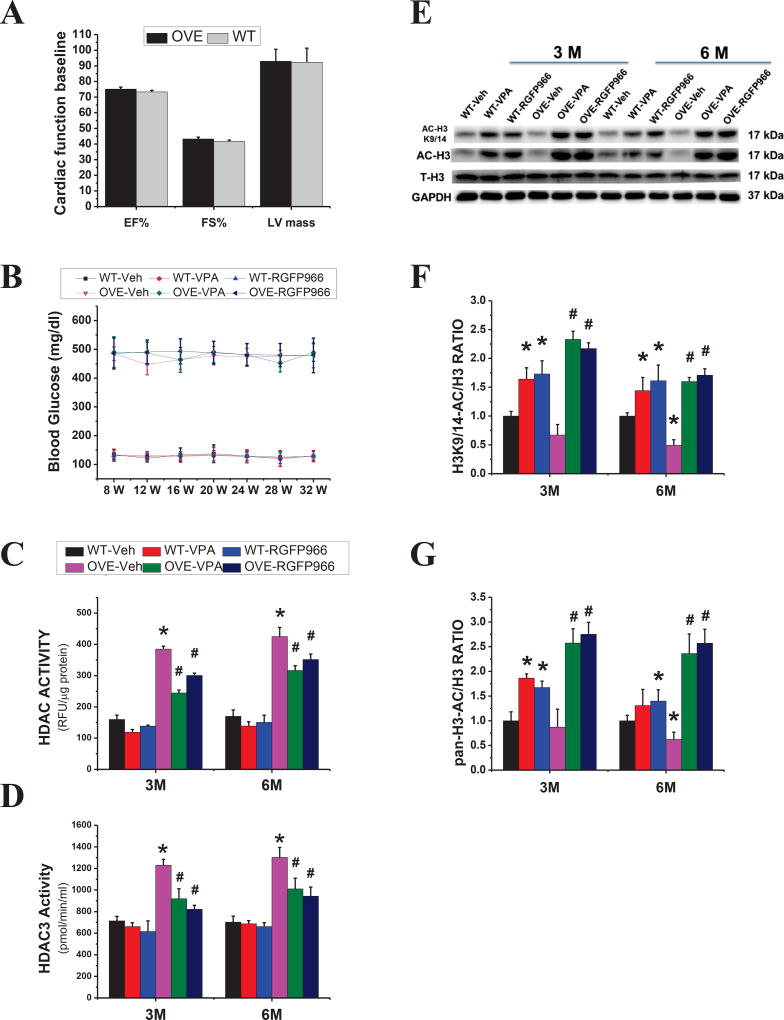
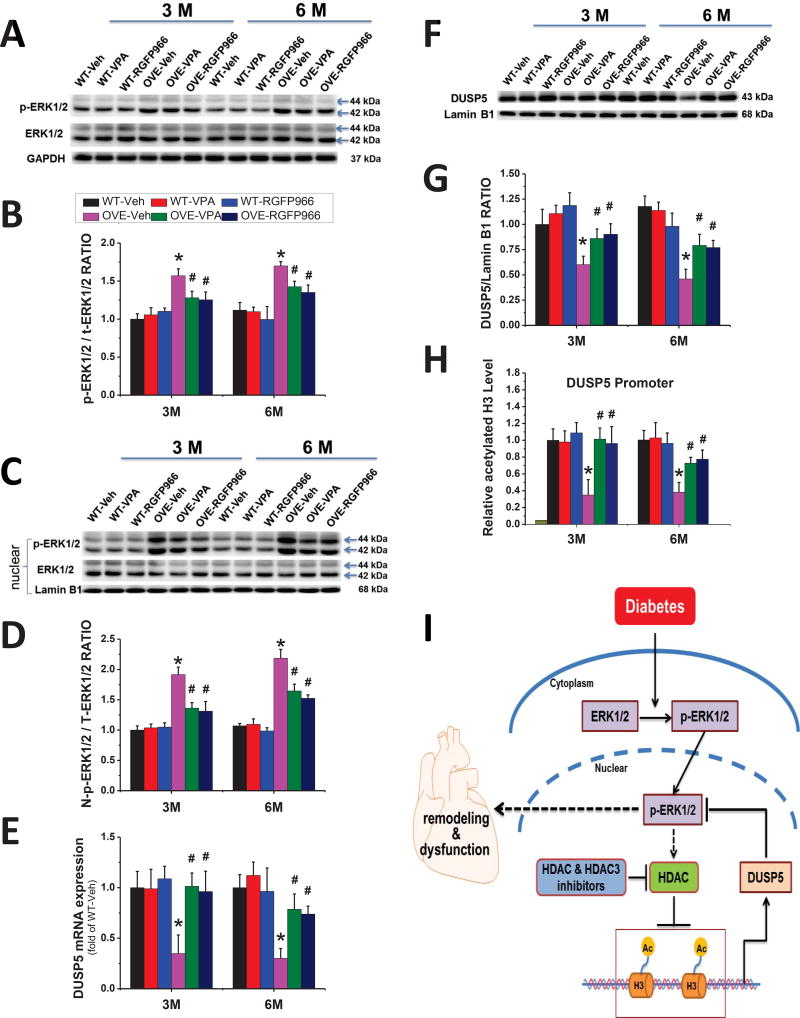
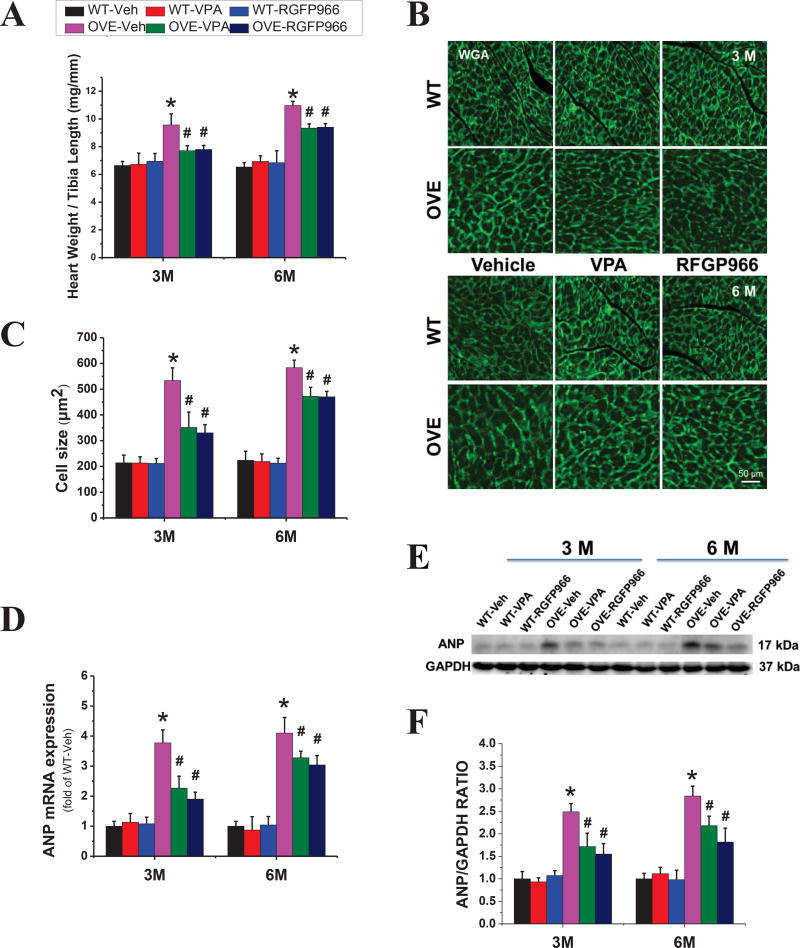
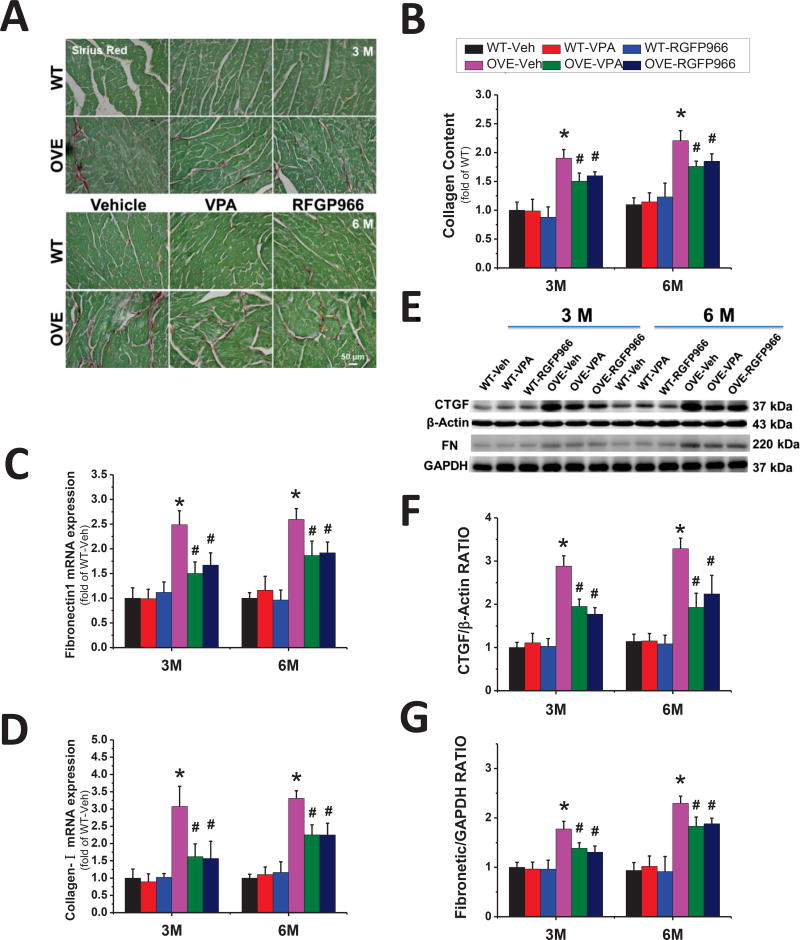
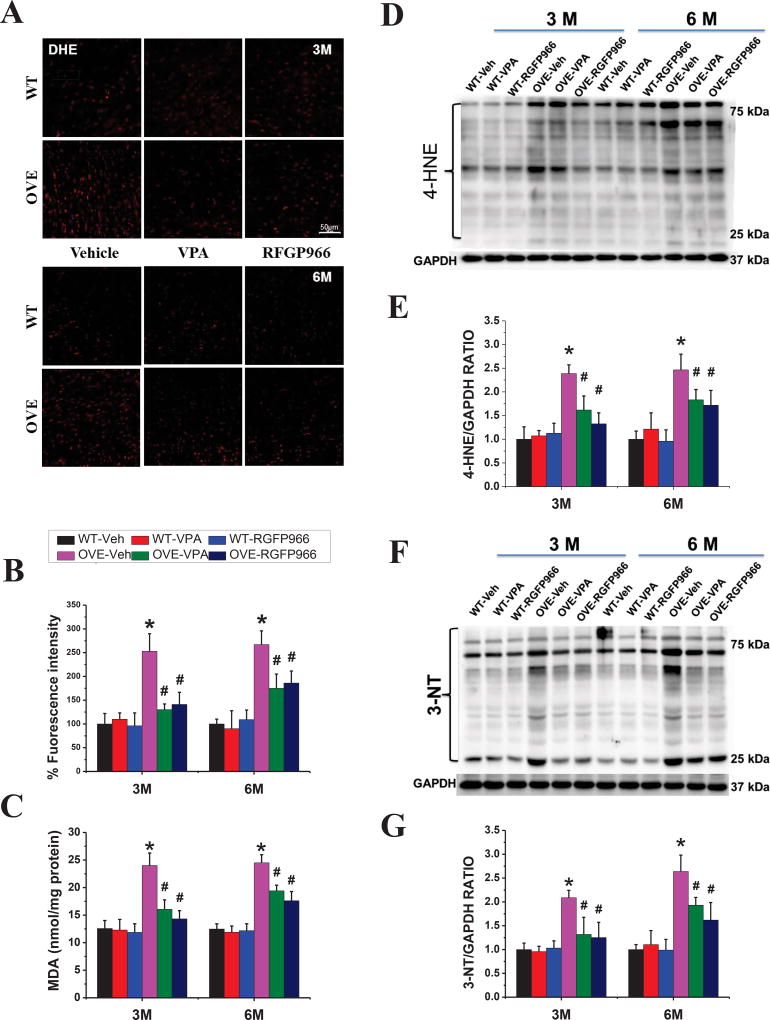
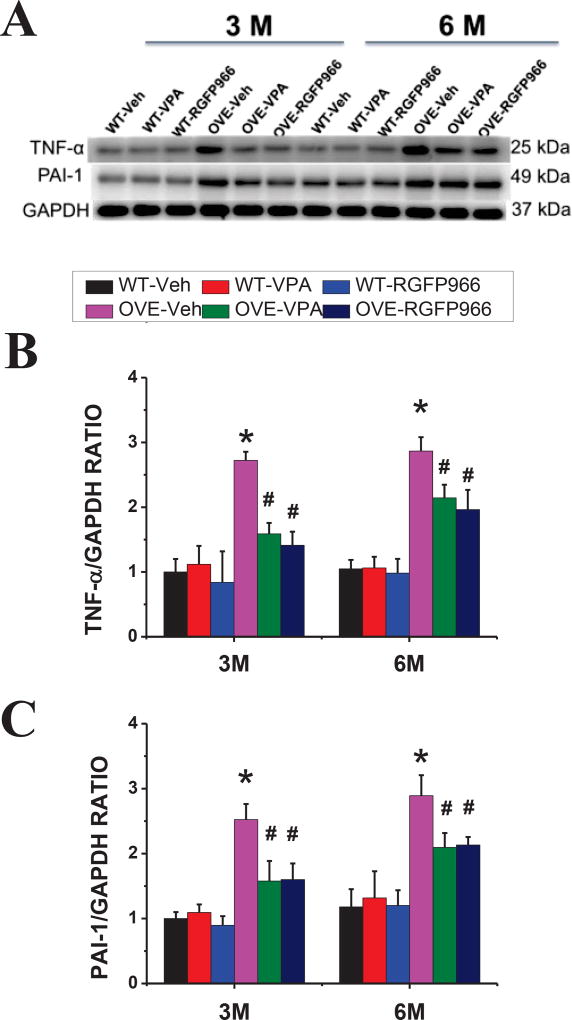
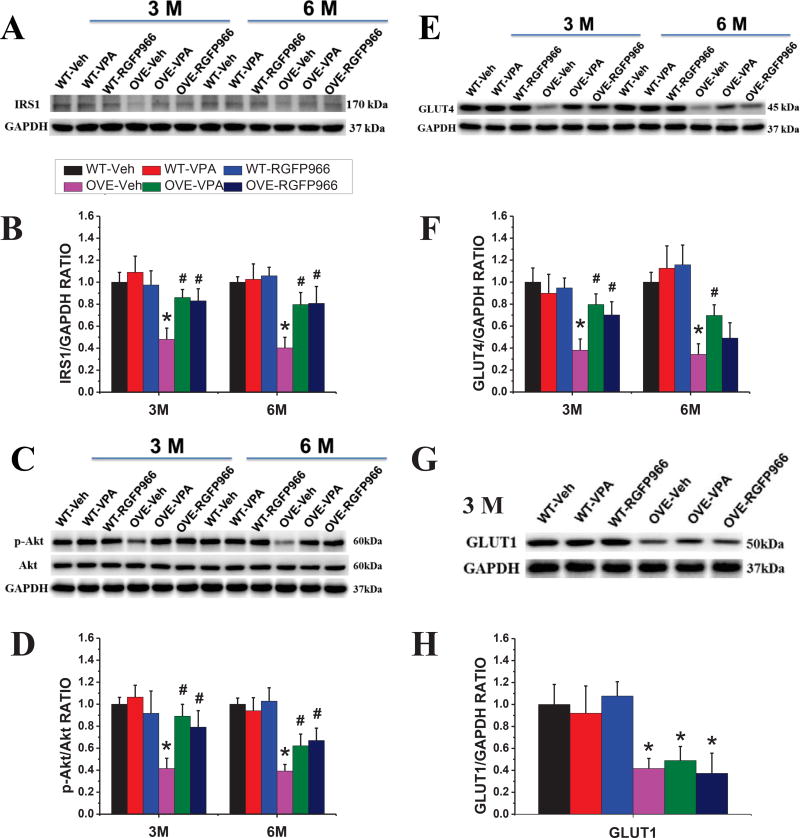
Inhibition of total histone deacetylases (HDACs) was phenomenally associated with the prevention of diabetic cardiomyopathy (DCM). However, which specific HDAC plays the key role in DCM remains unclear. The present study was designed to determine whether DCM can be prevented by specific inhibition of HDAC3 and to elucidate the mechanisms by which inhibition of HDAC3 prevents DCM. Type 1 diabetes OVE26 and age-matched wild-type (WT) mice were given the selective HDAC3 inhibitor RGFP966 or vehicle for 3 months. These mice were then killed immediately or 3 months later for cardiac function and pathological examination. HDAC3 activity was significantly increased in the heart of diabetic mice. Administration of RGFP966 significantly prevented DCM, as evidenced by improved diabetes-induced cardiac dysfunction, hypertrophy, and fibrosis, along with diminished cardiac oxidative stress, inflammation, and insulin resistance, not only in the mice killed immediately or 3 months later following the 3-month treatment. Furthermore, phosphorylated extracellular signal-regulated kinases (ERK) 1/2, a well-known initiator of cardiac hypertrophy, was significantly increased, while dual specificity phosphatase 5 (DUSP5), an ERK1/2 nuclear phosphatase, was substantially decreased in diabetic hearts. Both of these changes were prevented by RGFP966. Chromatin immunoprecipitation (ChIP) assay showed that HDAC3 inhibition elevated histone H3 acetylation on the gene promoter at both two time points. These findings suggest that diabetes-activated HDAC3 inhibits DUSP5 expression through deacetylating histone H3 on the primer region of gene, leading to the derepression of ERK1/2 and the initiation of DCM. The present study indicates the potential application of HDAC3 inhibitor for the prevention of DCM.
抑制总组蛋白去乙酰化酶(HDACs)与预防糖尿病性心肌病(DCM)显著相关。然而,哪种特定的HDAC在DCM中起关键作用仍不清楚。本研究旨在确定特异性抑制HDAC3是否能预防DCM,并阐明HDAC3抑制预防DCM的机制。给1型糖尿病OVE26小鼠和年龄匹配的野生型(WT)小鼠给予选择性HDAC3抑制剂RGFP966或赋形剂,持续3个月。然后立即或3个月后处死这些小鼠,进行心脏功能和病理检查。糖尿病小鼠心脏中的HDAC3活性显著增加。给予RGFP966可显著预防DCM,这不仅在3个月治疗后立即处死或3个月后处死的小鼠中得到证实,表现为糖尿病诱导的心脏功能障碍、肥大和纤维化得到改善,同时心脏氧化应激、炎症和胰岛素抵抗减轻。此外,磷酸化细胞外信号调节激酶(ERK)1/2(一种众所周知的心脏肥大启动因子)在糖尿病心脏中显著增加,而ERK1/2核磷酸酶双特异性磷酸酶5(DUSP5)则显著降低。RGFP966可预防这两种变化。染色质免疫沉淀(ChIP)分析表明,在两个时间点,HDAC3抑制均提高了基因启动子上组蛋白H3的乙酰化水平。这些发现表明,糖尿病激活的HDAC3通过使基因引物区域的组蛋白H3去乙酰化来抑制DUSP5表达,导致ERK1/2的去抑制和DCM的发生。本研究表明HDAC3抑制剂在预防DCM方面具有潜在应用价值。