Wilmsen Johanna, Baumbach Robert, Stüker Dietmar, Weingart Vincens, Neser Frank, Gölder Stefan Karl, Pfundstein Christof, Nötzel Ellen Claudia, Rösch Thomas, Faiss Siegbert
Johanna Wilmsen, Robert Baumbach, Siegbert Faiss, Department of Gastroenterology and Interventional Endoscopy, Asklepios Hospital Barmbek, Semmelweis University, Medical Faculty, Campus Hamburg, 22291 Hamburg, Germany.
World J Gastroenterol. 2017 May 7;23(17):3084-3091. doi: 10.3748/wjg.v23.i17.3084.
To report about the combination and advantages of a stapler-assisted diverticulotomy performed by flexible endoscopy.
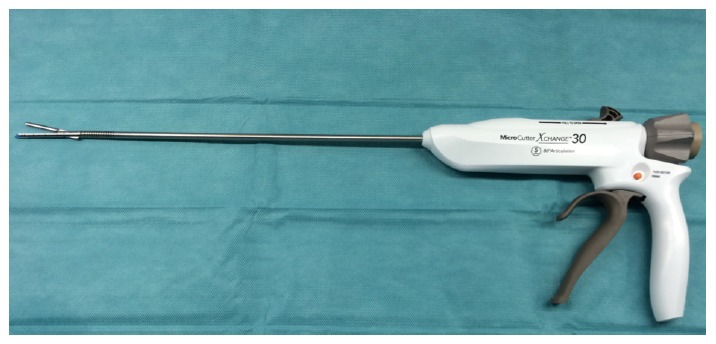
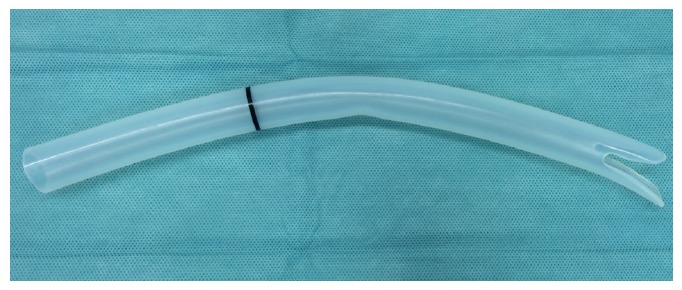
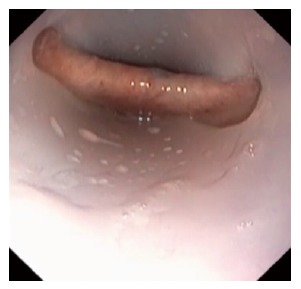
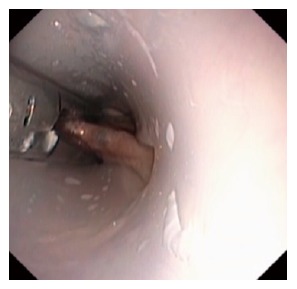
From November 2014 till December 2015 17 patients (8 female, 9 male, average age 69.8 years) with a symptomatic Zenker diverticulum (mean size 3.5 cm) were treated by inserting a new 5 mm fully rotatable surgical stapler (MicroCutter30 Xchange, Cardica Inc.) next to an ultrathin flexible endoscope through an overtube. The Patients were under conscious sedation with the head reclined in left position, the stapler placed centrally and pushed forward to the bottom of the diverticulum. The septum was divided by the staple rows under flexible endoscopic control.
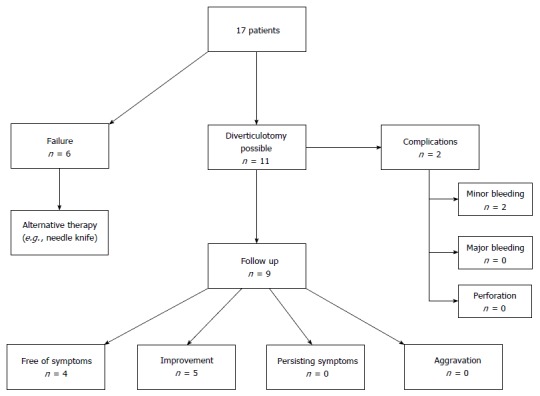
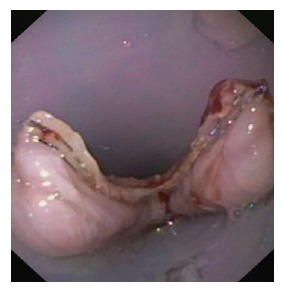
In eleven patients (64.7%) the stapler successfully divided the septum completely. Mean procedure time was 21 min, medium size of the septum was 2.8 cm (range 1.5 cm to 4 cm). In four patients the septum was shorter than 3 cm, in seven longer than 3 cm. To divide the septum, averagely 1.3 stapler cartridges were used. Two minor bleedings occurred. Major adverse events like perforation or secondary haemorrhage did not occur. After an average time of two days patients were discharged from the hospital. In 6 patients (35.3%) the stapler failed due to a thick septum or insufficient reclination of the head. Follow up endoscopy was performed after an average of two months in 9 patients; 4 patients (44.4%) were free of symptoms, 5 patients (55.6%) stated an improvement. A relapse of symptoms did not occur.
Flexible endoscopic Zenker diverticulotomy by using a surgical stapler is a new, safe and efficient treatment modality. A simultaneously tissue opening and occlusion prevents major complications.
报告通过软性内镜进行吻合器辅助憩室切除术的联合应用及优势。
2014年11月至2015年12月,对17例有症状的Zenker憩室(平均大小3.5 cm)患者(8例女性,9例男性,平均年龄69.8岁)进行治疗,通过外套管将新型5 mm全旋转手术吻合器(MicroCutter30 Xchange,Cardica公司)插入超薄软性内镜旁。患者在清醒镇静状态下,头部向左倾斜,将吻合器置于中央并向前推至憩室底部。在软性内镜控制下,用钉仓将隔膜分开。
11例患者(64.7%)吻合器成功完全分开隔膜。平均手术时间为21分钟,隔膜平均大小为2.8 cm(范围1.5 cm至4 cm)。4例患者隔膜短于3 cm,7例长于3 cm。分开隔膜平均使用1.3个吻合器钉仓。发生2例轻微出血。未发生穿孔或继发性出血等严重不良事件。平均两天后患者出院。6例患者(35.3%)因隔膜增厚或头部倾斜不足吻合器使用失败。9例患者平均两个月后进行随访内镜检查;4例患者(44.4%)无症状,5例患者(55.6%)症状改善。未出现症状复发。
使用手术吻合器进行软性内镜下Zenker憩室切除术是一种新的、安全有效的治疗方式。同时进行组织切开和闭合可预防严重并发症。