Wu Candace, Shemisa Kamal
University of Texas Southwestern Medical Center, Dallas, TX, USA.
Division of Cardiology, Department of Internal Medicine, University of Texas Southwestern Medical Center, Dallas, TX, USA.
Case Rep Cardiol. 2017;2017:7065759. doi: 10.1155/2017/7065759. Epub 2017 Apr 27.
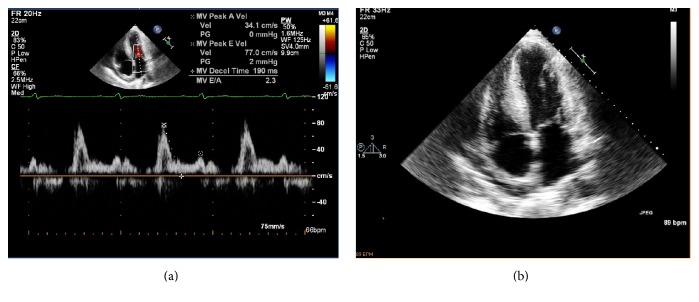
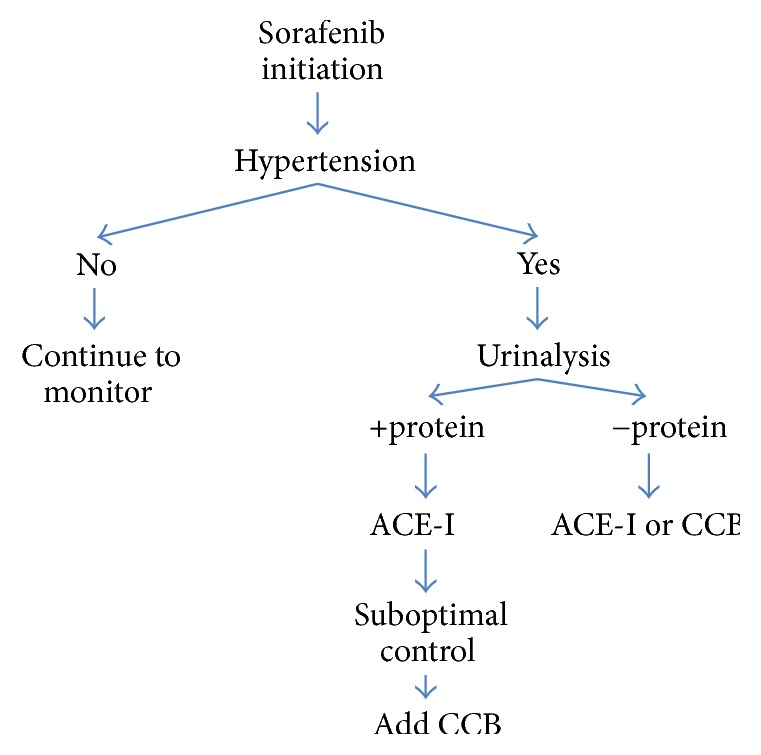
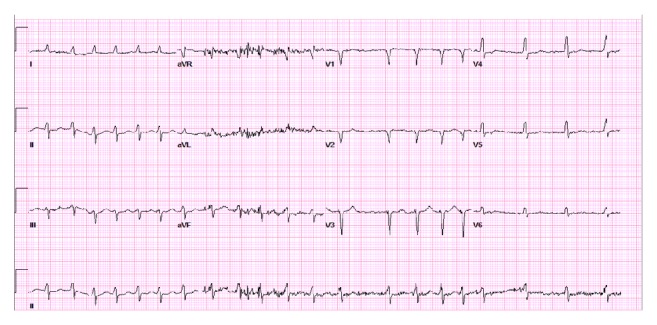
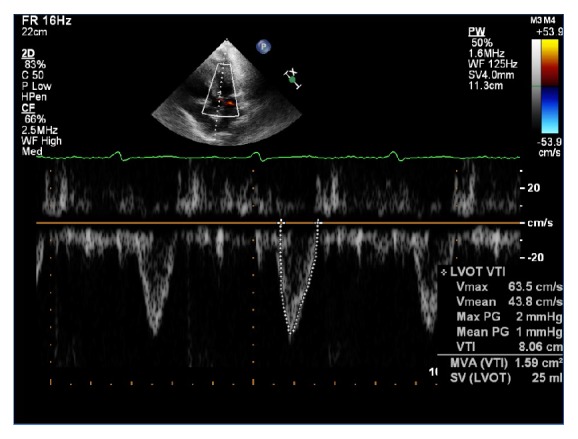
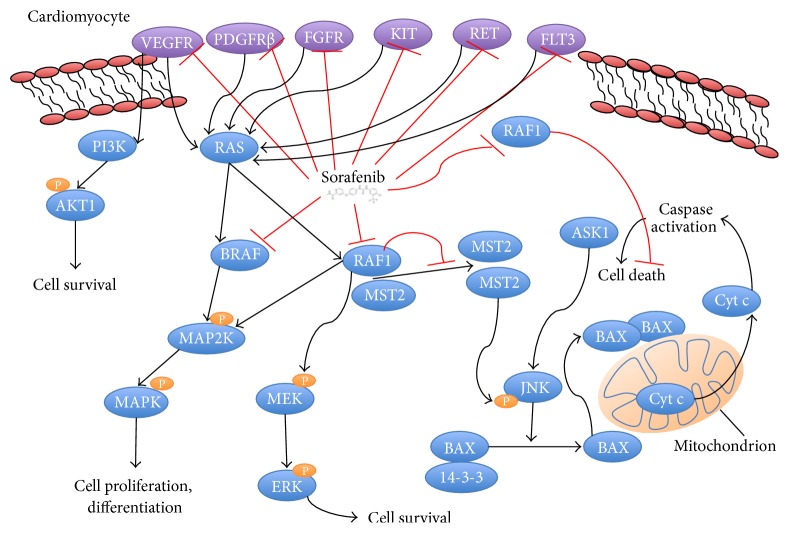
Sorafenib, an oral tyrosine kinase inhibitor (TKI), targets multiple tyrosine kinase receptors (TKRs) involved in angiogenesis and tumor growth. Studies suggest that inhibition of TKR impacts cardiomyocyte survival. Inhibition of VEGF signaling interrupts angiogenesis and is associated with the development of hypertension and compensatory hypertrophy. Compensated hypertrophy ultimately leads to heart failure. A 76-year-old man with a past medical history of systolic heart failure due to ischemic cardiomyopathy and stage IIIC hepatocellular carcinoma (HCC) presented with symptoms of decompensated heart failure. Four months prior to admission, he was started on sorafenib. . Our patient was treated with intravenous furosemide and guideline directed therapy. Clinical status was complicated by the development of low cardiac output and shock requiring inotropic support. Careful titration of heart failure medication led to hemodynamic improvement and discontinuation of dobutamine. . Greater awareness of sorafenib cardiotoxicity is essential. As TKI usage grows for treatment of cancers, heart failure-related complications will increase. In our patient, routine heart failure management and cessation of sorafenib led to clinical improvement. Future studies on the treatment of sorafenib cardiotoxicity should be explored further in this unique patient population.
索拉非尼是一种口服酪氨酸激酶抑制剂(TKI),可靶向多种参与血管生成和肿瘤生长的酪氨酸激酶受体(TKR)。研究表明,抑制TKR会影响心肌细胞存活。抑制VEGF信号传导会中断血管生成,并与高血压和代偿性肥大的发展有关。代偿性肥大最终会导致心力衰竭。一名76岁男性,既往有缺血性心肌病所致收缩性心力衰竭病史及IIIC期肝细胞癌(HCC),出现失代偿性心力衰竭症状。入院前四个月,他开始服用索拉非尼。我们的患者接受了静脉注射呋塞米和指南指导的治疗。临床状况因出现低心输出量和需要使用正性肌力药物支持的休克而变得复杂。仔细调整心力衰竭药物导致血流动力学改善并停用多巴酚丁胺。提高对索拉非尼心脏毒性的认识至关重要。随着TKI用于癌症治疗的情况增加,与心力衰竭相关的并发症将会增多。在我们的患者中,常规的心力衰竭管理和停用索拉非尼导致了临床改善。未来关于索拉非尼心脏毒性治疗的研究应在这一独特的患者群体中进一步探索。