Center for Integrated Protein Science Munich CiPSM, Ludwig-Maximilians-Universität München, Munich, Germany.
Department of Pharmacy - Center for Drug Research, Ludwig-Maximilians-Universität München, Munich, Germany.
Sci Rep. 2017 May 24;7(1):2321. doi: 10.1038/s41598-017-02514-5.
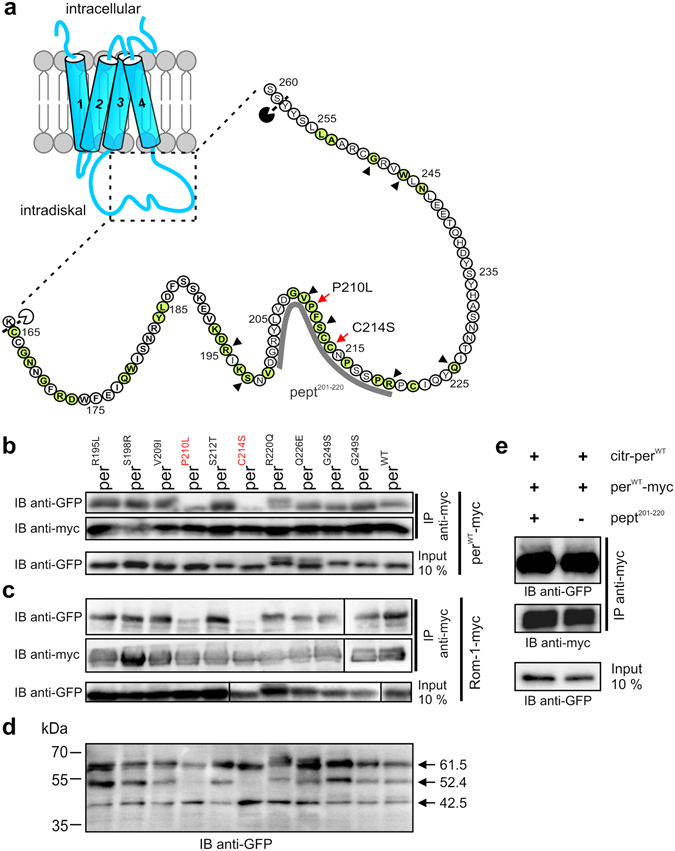
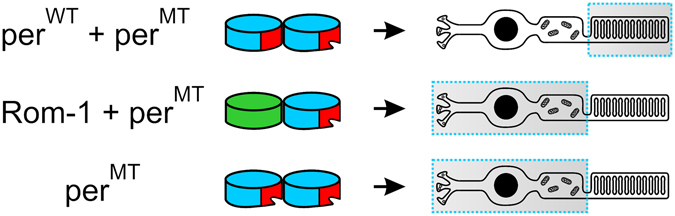
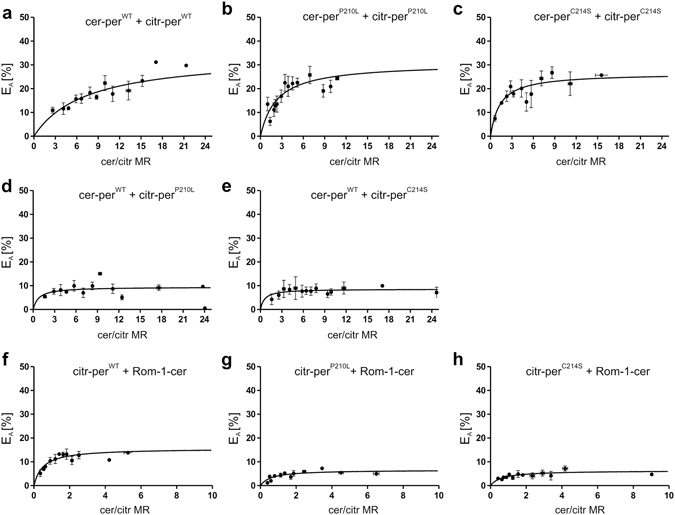
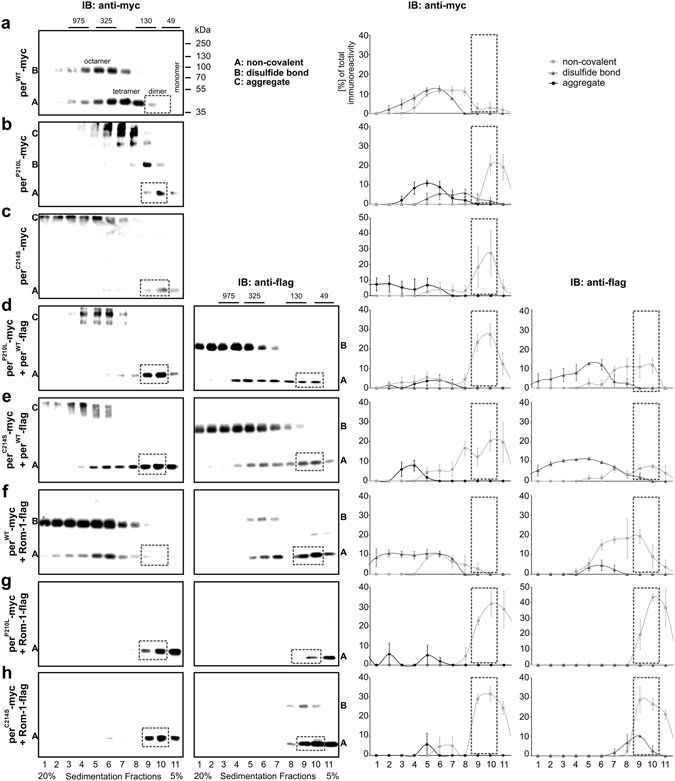
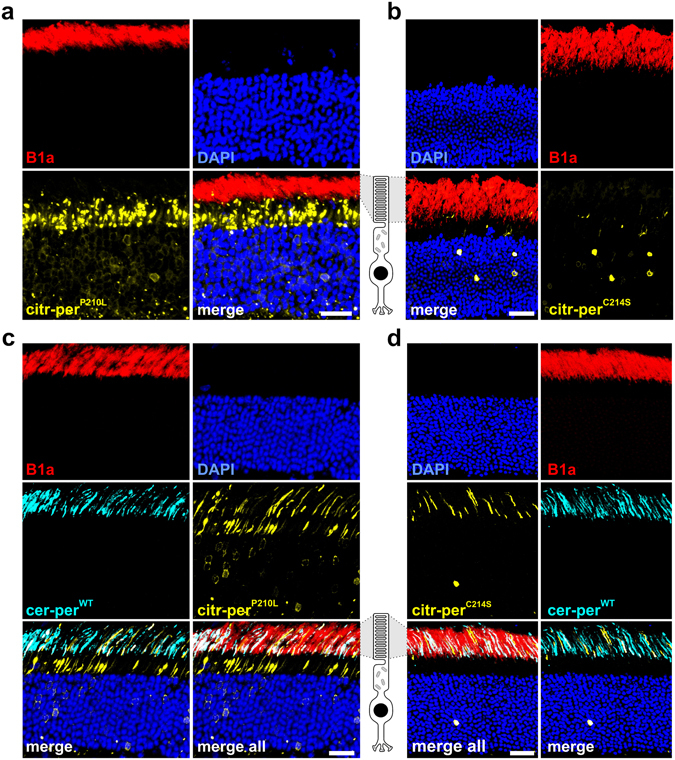
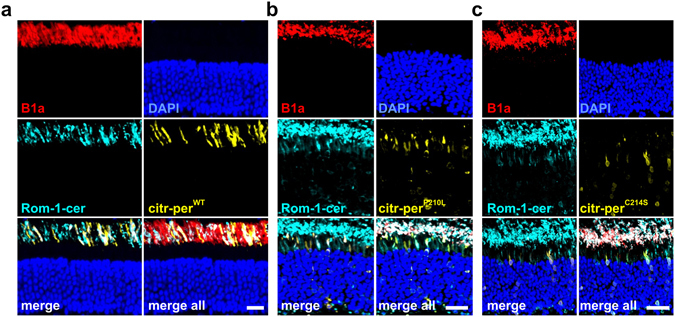
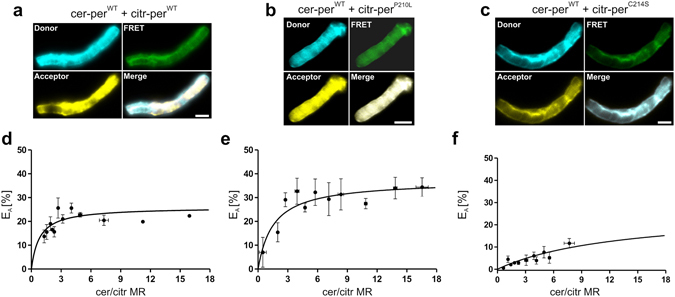
Mutations in the photoreceptor outer segment (OS) specific peripherin-2 lead to autosomal dominant retinitis pigmentosa (adRP). By contrast, mutations in the peripherin-2 homolog Rom-1 cause digenic RP in combination with certain heterozygous mutations in peripherin-2. The mechanisms underlying the differential role of peripherin-2 and Rom-1 in RP pathophysiology remained elusive so far. Here, focusing on two adRP-linked peripherin-2 mutants, P210L and C214S, we analyzed the binding characteristics, protein assembly, and rod OS targeting of wild type (per), mutant peripherin-2 (per), or Rom-1 complexes, which can be formed in patients heterozygous for peripherin-2 mutations. Both mutants are misfolded and lead to decreased binding to per and Rom-1. Furthermore, both mutants are preferentially forming non-covalent per-per, per-per, and Rom-1-per dimers. However, only per-per, but not per-per or Rom-1-per complexes could be targeted to murine rod OS. Our study provides first evidence that non-covalent per-per dimers can be targeted to rod OS. Finally, our study unravels unexpected opposing roles of per and Rom-1 in rod OS targeting of adRP-linked peripherin-2 mutants and suggests a new treatment strategy for the affected individuals.
感光器外段(OS)特异性周围蛋白-2 的突变导致常染色体显性视网膜色素变性(adRP)。相比之下,周围蛋白-2 同源物 Rom-1 的突变与周围蛋白-2 的某些杂合突变结合导致双基因 RP。迄今为止,周围蛋白-2 和 Rom-1 在 RP 病理生理学中差异作用的机制仍不清楚。在这里,我们专注于两种与 adRP 相关的周围蛋白-2 突变体 P210L 和 C214S,分析了野生型(per)、突变周围蛋白-2(per)或 Rom-1 复合物的结合特性、蛋白组装和杆 OS 靶向,这些复合物可以在周围蛋白-2 突变的杂合子患者中形成。这两种突变体都是错误折叠的,导致与 per 和 Rom-1 的结合减少。此外,这两种突变体都优先形成非共价的 per-per、per-per 和 Rom-1-per 二聚体。然而,只有 per-per,但不是 per-per 或 Rom-1-per 复合物可以靶向到鼠杆 OS。我们的研究首次提供了证据,证明非共价的 per-per 二聚体可以靶向到杆 OS。最后,我们的研究揭示了 per 和 Rom-1 在 adRP 相关的周围蛋白-2 突变体的杆 OS 靶向中的意想不到的相反作用,并为受影响的个体提出了一种新的治疗策略。