Barrero Maria J
CNIO-Lilly Epigenetics Laboratory, Spanish National Cancer Research Center (CNIO), C/Melchor Fernández Almagro, 3. 28029 Madrid, Spain.
Int J Mol Sci. 2017 May 23;18(6):1108. doi: 10.3390/ijms18061108.
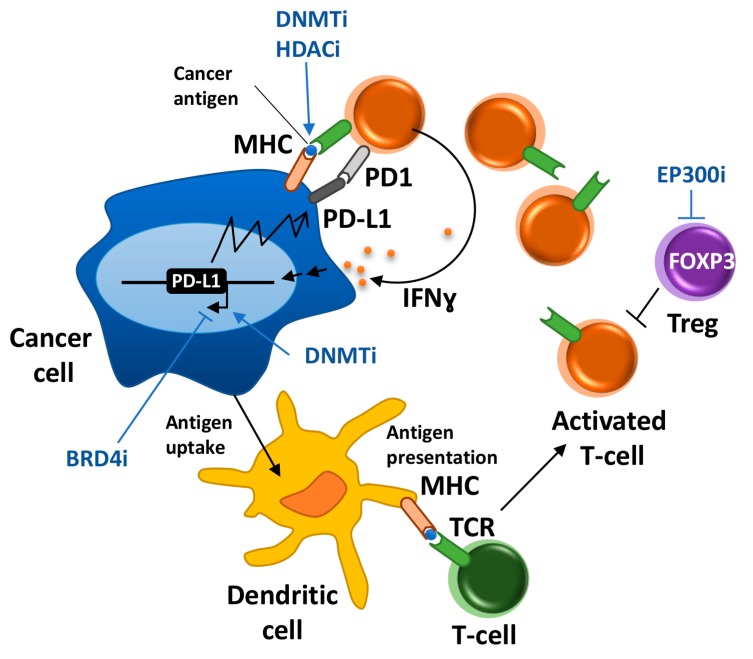
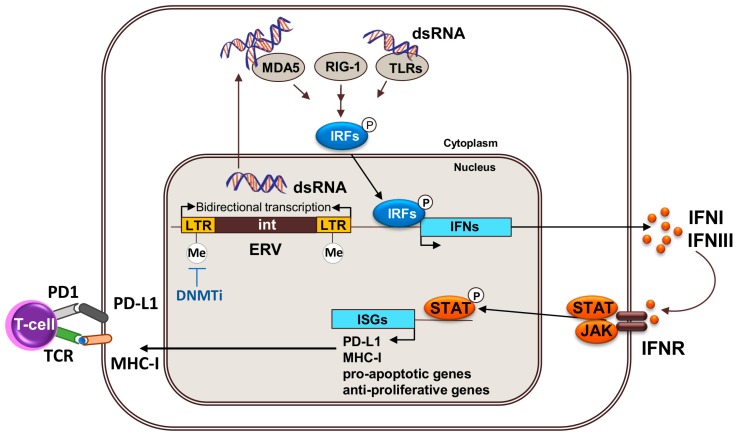
Recently, immunotherapeutic approaches have shown impressive responses in a subset of cancer patients. However, the rate of success is low and a large percentage of treated patients do not experience clinical benefits. Therefore, additional strategies are needed to improve responses and select responsive patients. Emerging data suggest that epigenetic drugs can improve the responses to immunotherapy. Understanding the mechanisms of resistance to immunotherapy and the epigenetic events that take place during immune evasion is critical to providing a rational combined use of immunotherapies and epigenetic drugs. This review focuses in the epigenetic mechanisms involved in the responses to immunotherapy and how current drugs that target epigenetic regulators impact on them.
最近,免疫治疗方法在一部分癌症患者中显示出了令人瞩目的疗效。然而,成功率较低,且很大比例的接受治疗的患者并未获得临床益处。因此,需要额外的策略来提高疗效并筛选出有反应的患者。新出现的数据表明,表观遗传药物可以提高对免疫治疗的反应。了解免疫治疗耐药机制以及免疫逃逸过程中发生的表观遗传事件,对于合理联合使用免疫疗法和表观遗传药物至关重要。本综述重点关注免疫治疗反应中涉及的表观遗传机制,以及目前针对表观遗传调节因子的药物如何对其产生影响。