Bröer Stefan, Bröer Angelika
Research School of Biology, Australian National University, Linnaeus Way 134, Canberra, ACT 2601, Australia
Research School of Biology, Australian National University, Linnaeus Way 134, Canberra, ACT 2601, Australia.
Biochem J. 2017 May 25;474(12):1935-1963. doi: 10.1042/BCJ20160822.
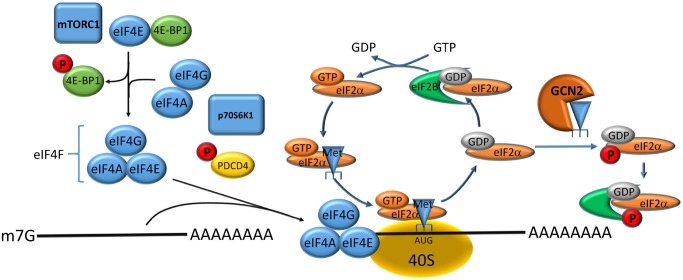
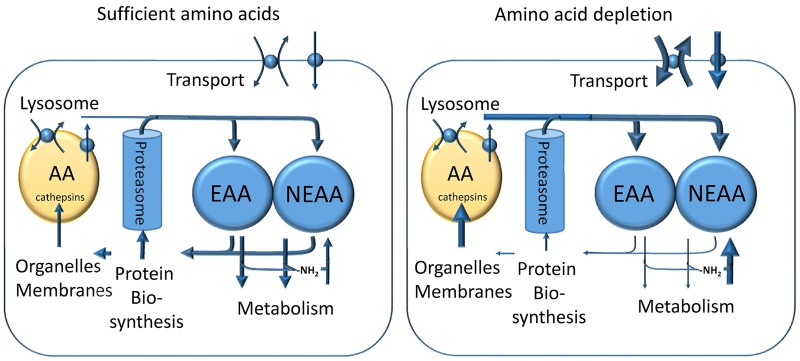
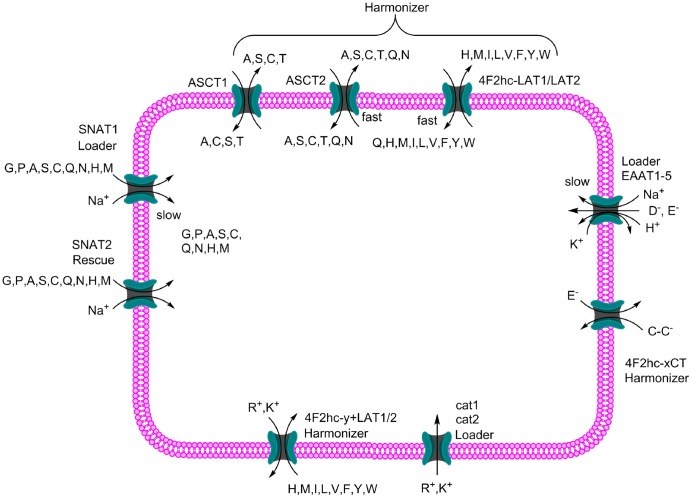
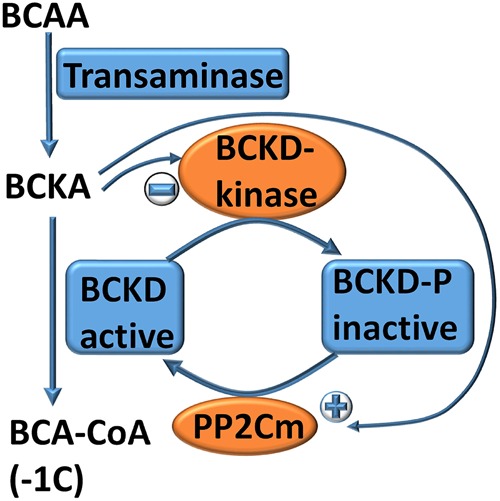
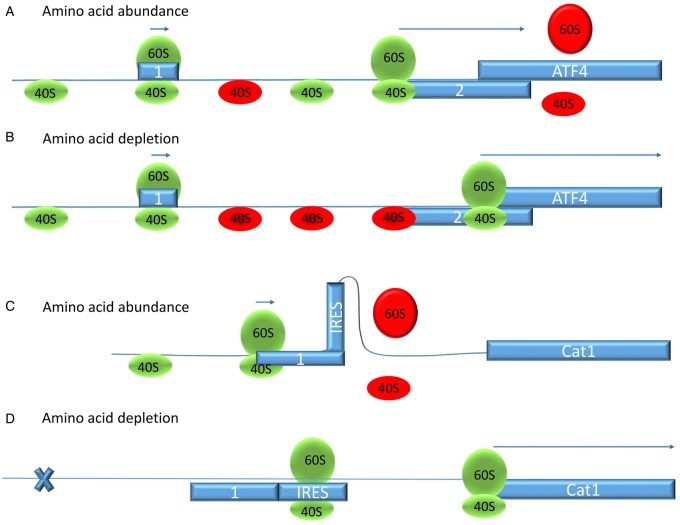
Cells have a constant turnover of proteins that recycle most amino acids over time. Net loss is mainly due to amino acid oxidation. Homeostasis is achieved through exchange of essential amino acids with non-essential amino acids and the transfer of amino groups from oxidised amino acids to amino acid biosynthesis. This homeostatic condition is maintained through an active mTORC1 complex. Under amino acid depletion, mTORC1 is inactivated. This increases the breakdown of cellular proteins through autophagy and reduces protein biosynthesis. The general control non-derepressable 2/ATF4 pathway may be activated in addition, resulting in transcription of genes involved in amino acid transport and biosynthesis of non-essential amino acids. Metabolism is autoregulated to minimise oxidation of amino acids. Systemic amino acid levels are also tightly regulated. Food intake briefly increases plasma amino acid levels, which stimulates insulin release and mTOR-dependent protein synthesis in muscle. Excess amino acids are oxidised, resulting in increased urea production. Short-term fasting does not result in depletion of plasma amino acids due to reduced protein synthesis and the onset of autophagy. Owing to the fact that half of all amino acids are essential, reduction in protein synthesis and amino acid oxidation are the only two measures to reduce amino acid demand. Long-term malnutrition causes depletion of plasma amino acids. The CNS appears to generate a protein-specific response upon amino acid depletion, resulting in avoidance of an inadequate diet. High protein levels, in contrast, contribute together with other nutrients to a reduction in food intake.
细胞中的蛋白质不断更新,随着时间的推移,大多数氨基酸会被循环利用。净损失主要是由于氨基酸氧化。通过必需氨基酸与非必需氨基酸的交换以及将氧化氨基酸中的氨基转移到氨基酸生物合成中,实现了体内平衡。这种体内平衡状态是通过活跃的mTORC1复合体维持的。在氨基酸缺乏的情况下,mTORC1会失活。这会增加细胞蛋白质通过自噬的分解,并减少蛋白质生物合成。此外,一般控制非抑制性2/ATF4途径可能会被激活,导致参与氨基酸转运和非必需氨基酸生物合成的基因转录。代谢会自动调节,以尽量减少氨基酸的氧化。全身氨基酸水平也受到严格调节。食物摄入会短暂提高血浆氨基酸水平,这会刺激胰岛素释放以及肌肉中mTOR依赖的蛋白质合成。多余的氨基酸会被氧化,导致尿素生成增加。短期禁食不会导致血浆氨基酸耗尽,因为蛋白质合成减少且自噬开始。由于所有氨基酸中有一半是必需氨基酸,减少蛋白质合成和氨基酸氧化是减少氨基酸需求的仅有的两种措施。长期营养不良会导致血浆氨基酸耗尽。中枢神经系统似乎在氨基酸缺乏时会产生一种蛋白质特异性反应,从而导致避免摄入不足的饮食。相比之下,高蛋白水平与其他营养物质共同作用,会减少食物摄入。