Centro de Química-Física Molecular and Institute of Nanoscience and Nanotechnology, Instituto Superior Técnico - Universidade de Lisboa, Av. Rovisco Pais, 1049-001, Lisboa, Portugal.
Sci Rep. 2017 May 26;7(1):2440. doi: 10.1038/s41598-017-02678-0.
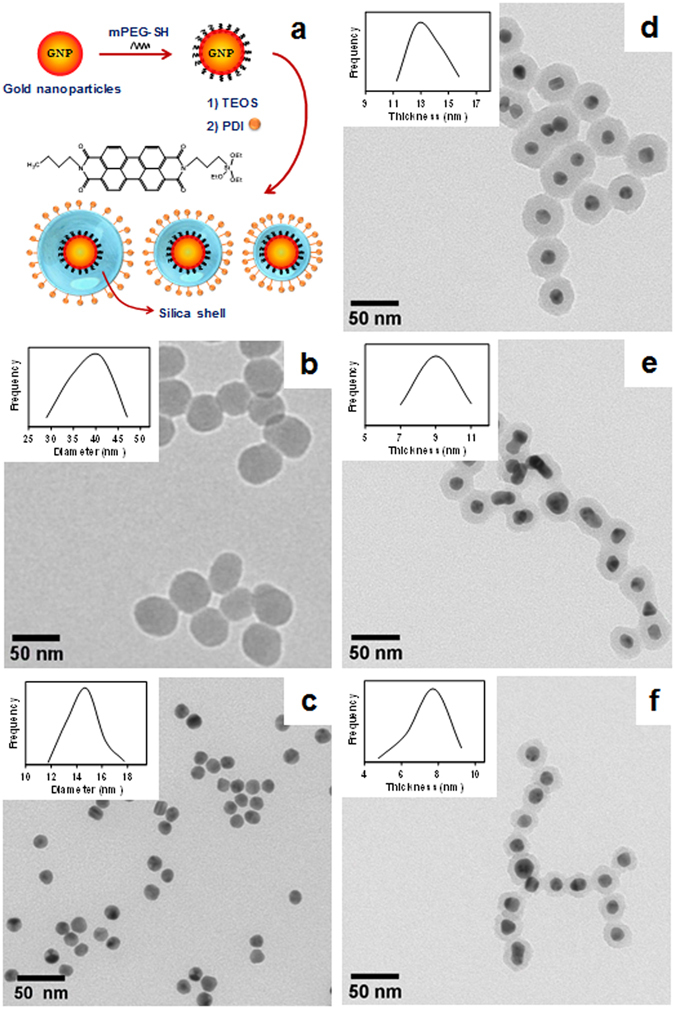
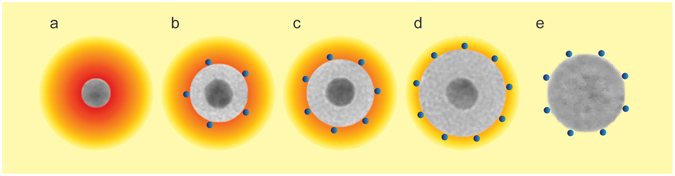
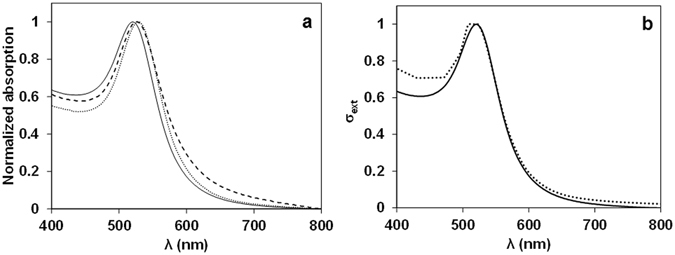
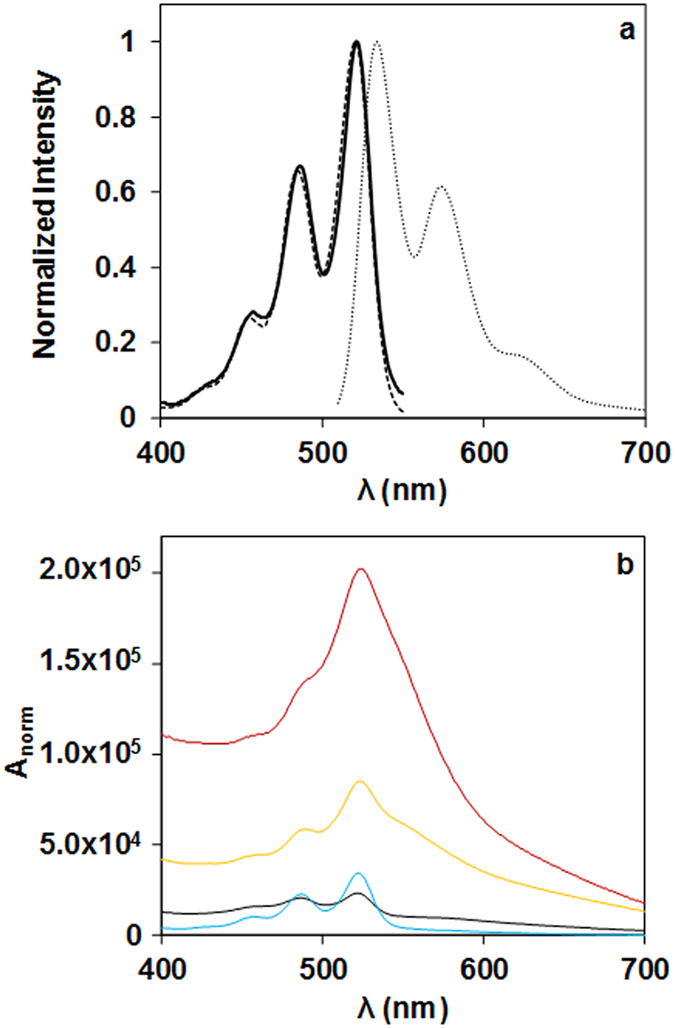
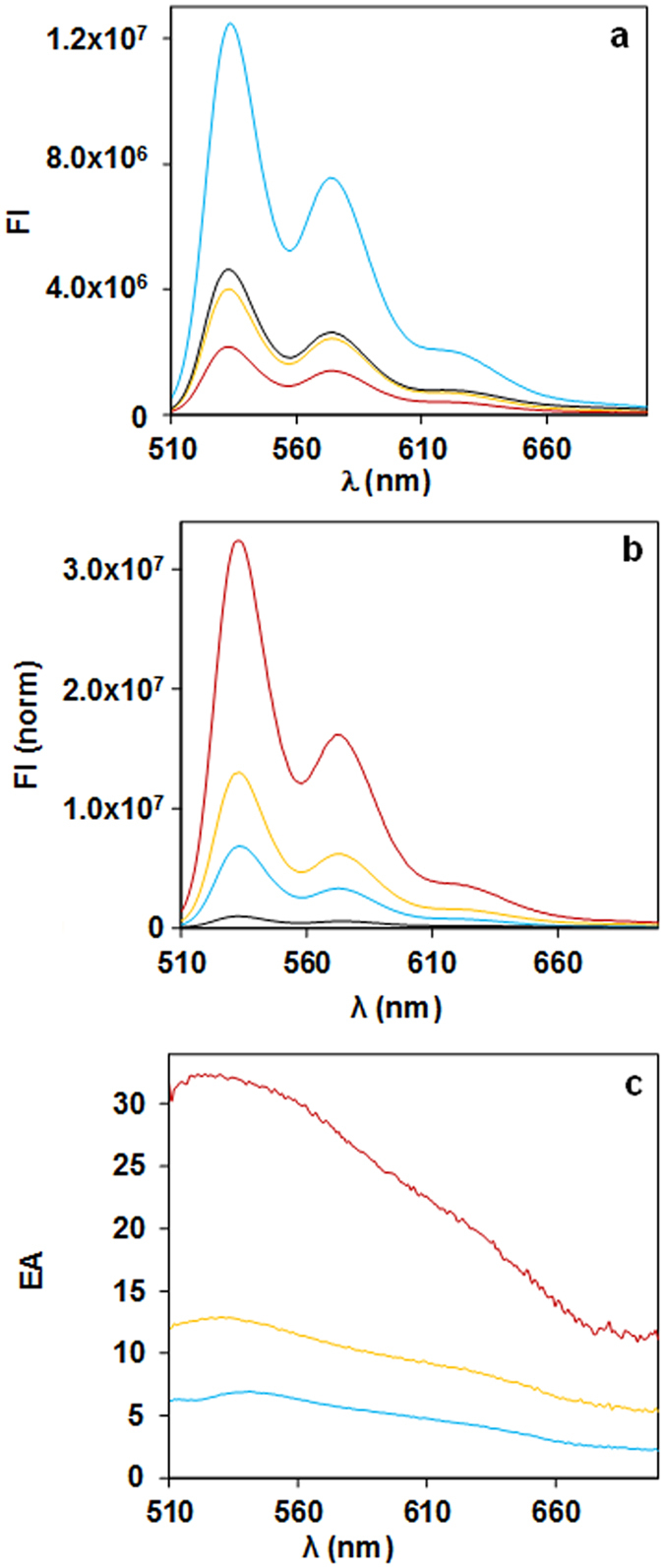
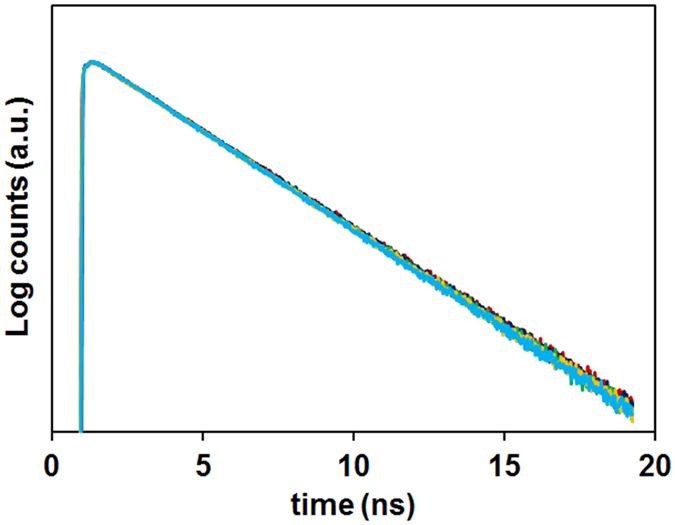
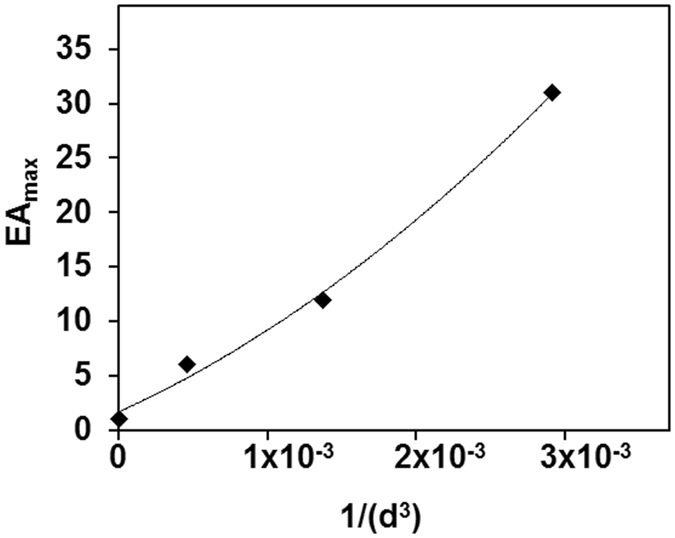
Metal nanoparticles can either quench or enhance the emission of dyes in their vicinity, but the precise measurement and understanding of this effect is still hindered by experimental artifacts, especially for particles in colloidal dispersion. Here, we introduce a new methodology to correct the inner filter effect of the metal on the dye emission. To test the method, we developed new hybrid nanoparticles with a gold core and a silica shell of precise thickness (tuned from 7 to 13 nm), with a high quantum yield perylenediimide dye on the surface. This novel approach effectively avoids fluorescence quenching, allowing us to measure emission enhancements of 5 to 30 times, with no change on the dye fluorescence lifetime. Being able to measure the emission enhancement in dye-metal hybrid nanoparticles in dispersion, free from inner filter and quenching artifacts, offers excellent prospects to guide the development of more efficient fluorescent probes, sensors and photonic devices.
金属纳米粒子可以猝灭或增强其附近染料的发射,但这种效应的精确测量和理解仍然受到实验伪影的阻碍,特别是对于胶体分散体中的粒子。在这里,我们引入了一种新的方法来修正金属对染料发射的内滤效应。为了测试该方法,我们开发了具有金核和精确厚度(从 7 到 13nm 调谐)的二氧化硅壳的新型混合纳米粒子,表面具有高量子产率的苝二酰亚胺染料。这种新颖的方法有效地避免了荧光猝灭,使我们能够测量 5 到 30 倍的发射增强,而染料荧光寿命没有变化。能够在分散体中测量无内滤和猝灭伪影的染料-金属混合纳米粒子的发射增强,为指导更高效的荧光探针、传感器和光子器件的开发提供了极好的前景。