Rutty Guy N, Morgan Bruno, Robinson Claire, Raj Vimal, Pakkal Mini, Amoroso Jasmin, Visser Theresa, Saunders Sarah, Biggs Mike, Hollingbury Frances, McGregor Angus, West Kevin, Richards Cathy, Brown Laurence, Harrison Rebecca, Hew Roger
University of Leicester, East Midlands Forensic Pathology Unit, Leicester Royal Infirmary, Leicester, UK.
Radiology Department, Leicester Royal Infirmary, Leicester, UK.
Lancet. 2017 Jul 8;390(10090):145-154. doi: 10.1016/S0140-6736(17)30333-1. Epub 2017 May 24.
England and Wales have one of the highest frequencies of autopsy in the world. Implementation of post-mortem CT (PMCT), enhanced with targeted coronary angiography (PMCTA), in adults to avoid invasive autopsy would have cultural, religious, and potential economic benefits. We aimed to assess the diagnostic accuracy of PMCTA as a first-line technique in post-mortem investigations.
In this single-centre (Leicester, UK), prospective, controlled study, we selected cases of natural and non-suspicious unnatural death referred to Her Majesty's (HM) Coroners. We excluded cases younger than 18 years, known to have had a transmittable disease, or who weighed more than 125 kg. Each case was assessed by PMCTA, followed by autopsy. Pathologists were masked to the PMCTA findings, unless a potential risk was shown. The primary endpoint was the accuracy of the cause of death diagnosis from PMCTA against a gold standard of autopsy findings, modified by PMCTA findings only if additional substantially incontrovertible findings were identified.
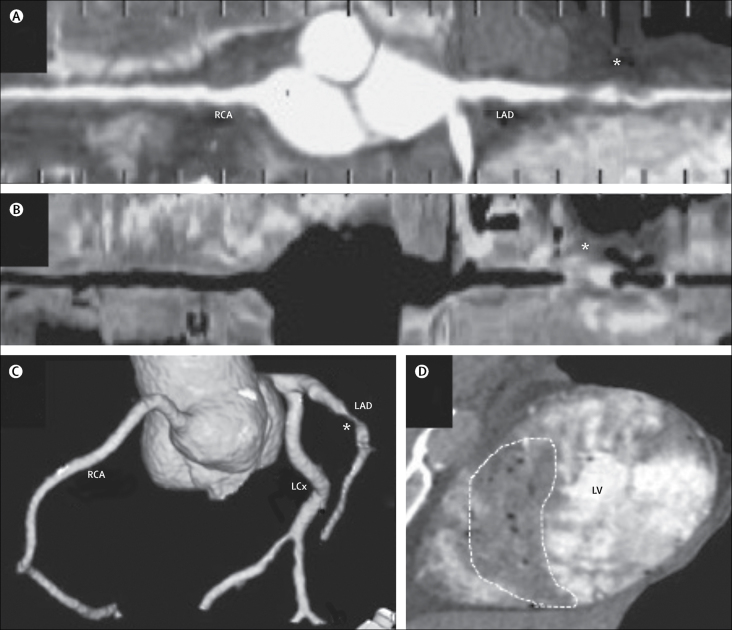
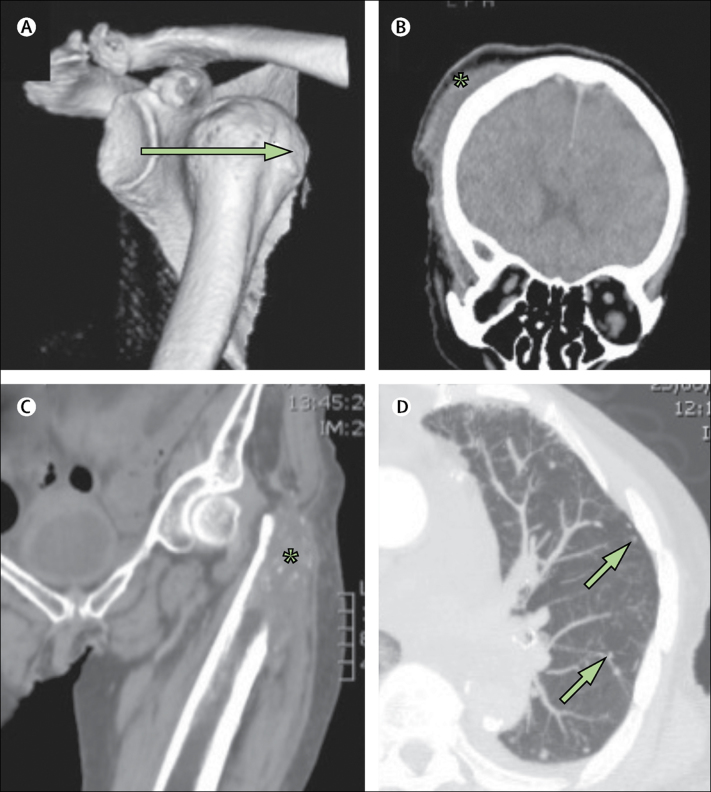
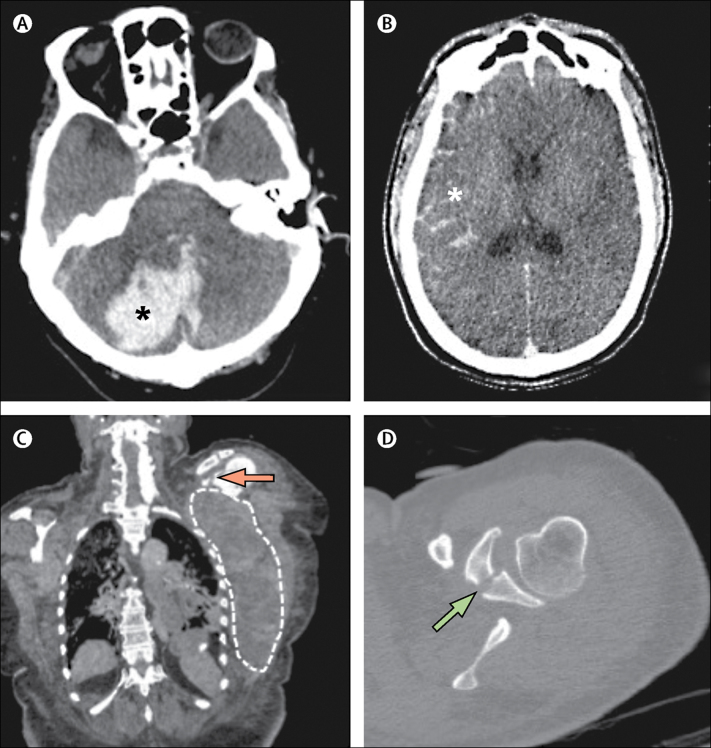
Between Jan 20, 2010, and Sept 13, 2012, we selected 241 cases, for which PMCTA was successful in 204 (85%). Seven cases were excluded from the analysis because of procedural unmasking or no autopsy data, as were 24 cases with a clear diagnosis of traumatic death before investigation; 210 cases were included. In 40 (19%) cases, predictable toxicology or histology testing accessible by PMCT informed the result. PMCTA provided a cause of death in 193 (92%) cases. A major discrepancy with the gold standard was noted in 12 (6%) cases identified by PMCTA, and in nine (5%) cases identified by autopsy (because of specific findings on PMCTA). The frequency of autopsy and PMCTA discrepancies were not significantly different (p=0·65 for major discrepancies and p=0·21 for minor discrepancies). Cause of death given by PMCTA did not overlook clinically significant trauma, occupational lung disease, or reportable disease, and did not significantly affect the overall population data for cause of death (p≥0·31). PMCTA was better at identifying trauma and haemorrhage (p=0·008), whereas autopsy was better at identifying pulmonary thromboembolism (p=0·004).
For most sudden natural adult deaths investigated by HM Coroners, PMCTA could be used to avoid invasive autopsy. The gold standard of post-mortem investigations should include both PMCT and invasive autopsy.
National Institute for Health Research.
英格兰和威尔士是世界上尸检频率最高的地区之一。在成年人中实施增强型靶向冠状动脉造影的死后CT(PMCTA)以避免侵入性尸检,将具有文化、宗教和潜在的经济效益。我们旨在评估PMCTA作为尸检调查一线技术的诊断准确性。
在这项单中心(英国莱斯特)前瞻性对照研究中,我们选择了提交给女王陛下验尸官的自然死亡和非可疑非自然死亡病例。我们排除了年龄小于18岁、已知患有传染病或体重超过125公斤的病例。每个病例先通过PMCTA评估,然后进行尸检。病理学家对PMCTA结果不知情,除非显示出潜在风险。主要终点是根据尸检结果这一金标准,评估PMCTA对死亡原因诊断的准确性,仅在发现其他基本无可争议的结果时,才根据PMCTA结果对金标准进行修正。
在2010年1月20日至2012年9月13日期间,我们选择了241例病例,其中204例(85%)成功进行了PMCTA检查。7例因程序泄密或无尸检数据被排除在分析之外,24例在调查前已明确诊断为创伤性死亡的病例也被排除;共纳入210例病例。在40例(19%)病例中,PMCT可进行的可预测毒理学或组织学检测为结果提供了依据。PMCTA在193例(92%)病例中确定了死亡原因。PMCTA确定的12例(6%)病例和尸检确定的9例(5%)病例(由于PMCTA的特定发现)与金标准存在重大差异。尸检和PMCTA差异的频率无显著差异(重大差异p = 0.65,微小差异p = 0.21)。PMCTA给出的死亡原因未忽略具有临床意义的创伤、职业性肺病或应报告的疾病,且对总体死亡原因数据无显著影响(p≥0.31)。PMCTA在识别创伤和出血方面表现更好(p = 0.008),而尸检在识别肺血栓栓塞方面表现更好(p = 0.004)。
对于女王陛下验尸官调查的大多数成年自然猝死病例,PMCTA可用于避免侵入性尸检。尸检调查的金标准应包括PMCT和侵入性尸检。
英国国家卫生研究院。