Oliveira Régis Linhares, Chagastelles Pedro Cesar, Sesterheim Patrícia, Pranke Patricia
Stem Cell Laboratory, Fundamental Health Science Institute, Universidade Federal Rio Grande do Sul, Porto Alegre, RS, Brazil.
Post Graduate Program in Physiology, Universidade Federal Rio Grande do Sul, Porto Alegre, RS, Brazil.
Stem Cells Int. 2017;2017:9824698. doi: 10.1155/2017/9824698. Epub 2017 May 3.
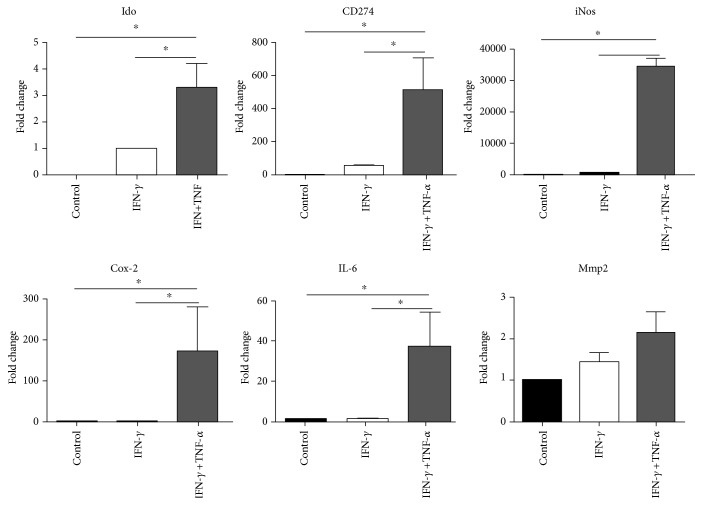
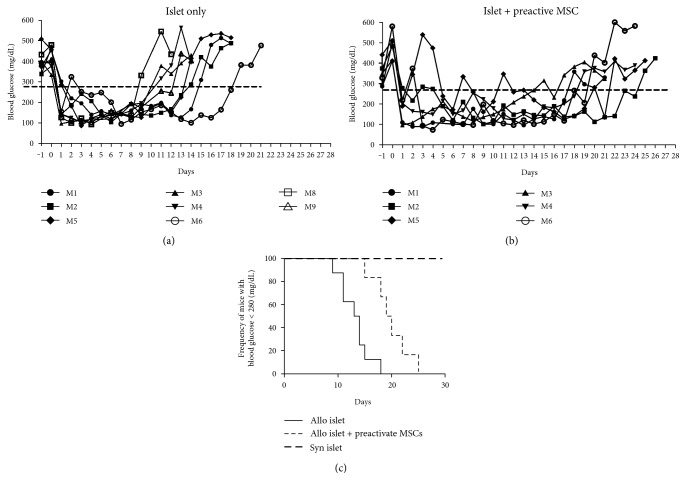
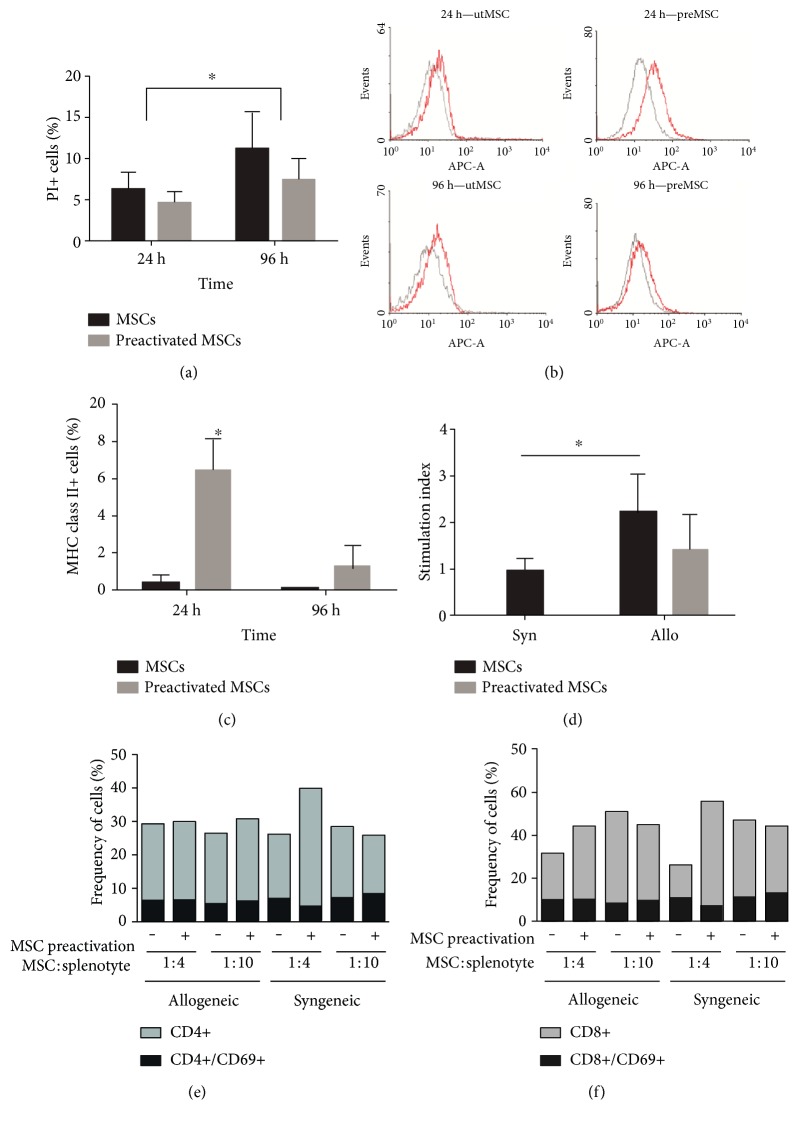
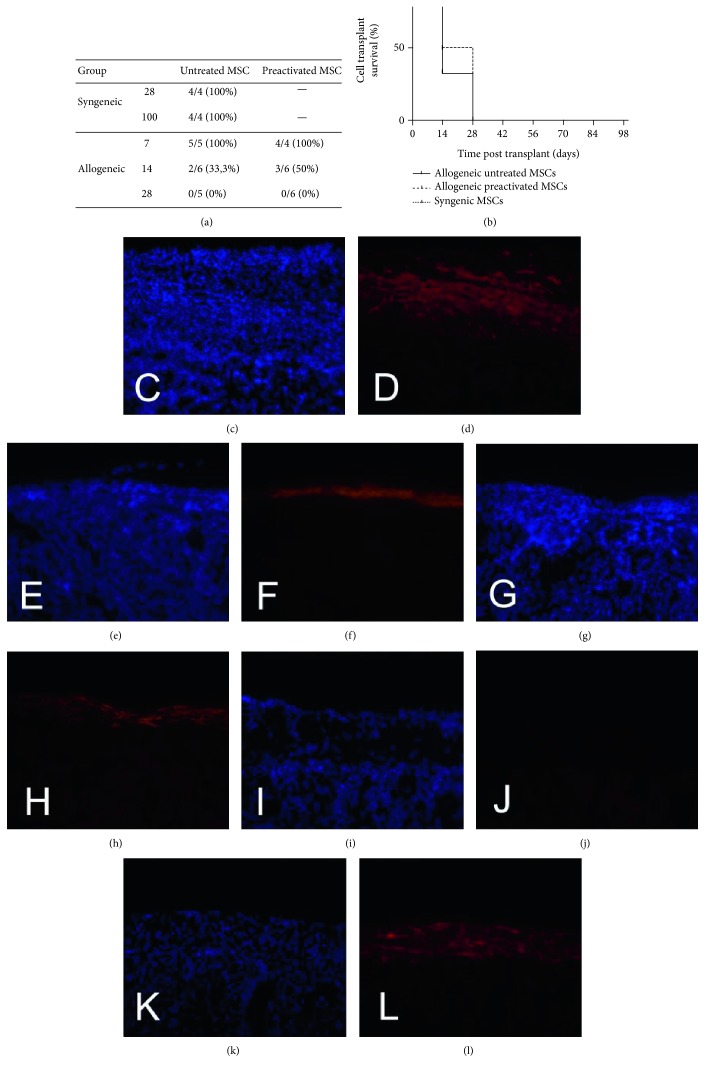
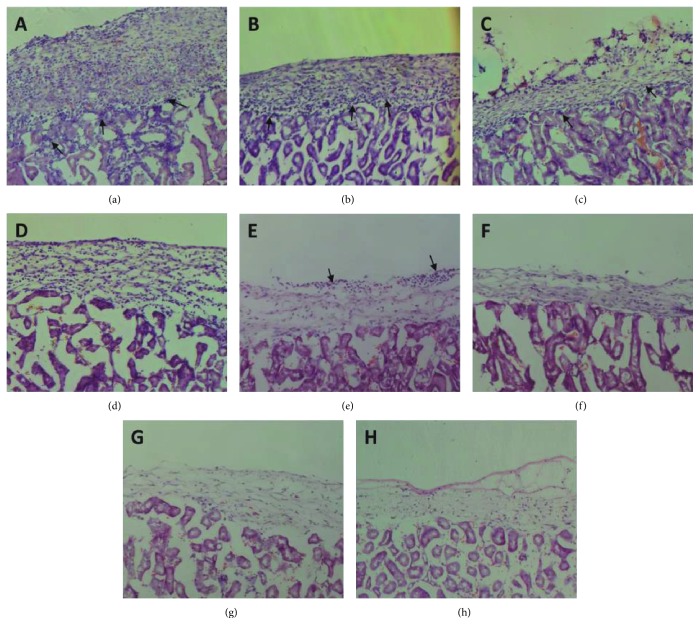
Mesenchymal stem cells (MSCs) are multipotent cells capable of differentiating into cells from the mesenchymal lineage. The hypoimmunogenic characteristic of MSCs has encouraged studies using allogeneic MSCs for the treatment of autoimmune diseases and inflammatory conditions. Promising preclinical results and the safety of allogeneic MSC transplantation have created the possibility of "off-the-shelf" clinical application of allogeneic cells. This study has aimed to evaluate the survival of untreated and IFN-- and TNF--treated (preactivated) allogeneic MSCs transplanted under the kidney capsule of immunocompetent mice together with the role of preactivated MSCs after cotransplantation with allogeneic islets. The preactivation of MSCs upregulated the gene expression of anti-inflammatory molecules and also enhanced their immunomodulatory capacity in vitro. In vivo, allogeneic MSCs provoked an immunogenic response, with the infiltration of inflammatory cells at the transplant site and full graft rejection in both the untreated and preactivated groups. Allogeneic islets cotransplanted with preactivated MSCs prolonged graft survival for about 6 days, compared with islet alone. The present results corroborate the hypothesis that allogeneic MSCs are not immune-privileged and that after playing their therapeutic role they are rejected. Strategies that reduce allogeneic MSC immunogenicity can potentially prolong their in vivo persistence and improve the therapeutic effects.
间充质干细胞(MSCs)是能够分化为间充质谱系细胞的多能细胞。MSCs的低免疫原性特征促使人们开展使用异基因MSCs治疗自身免疫性疾病和炎症性疾病的研究。有前景的临床前研究结果以及异基因MSC移植的安全性为异基因细胞的“现货”临床应用创造了可能性。本研究旨在评估未经处理的以及经干扰素-γ和肿瘤坏死因子-α处理(预激活)的异基因MSCs在免疫活性小鼠肾被膜下移植后的存活情况,以及预激活的MSCs在与异基因胰岛共移植后的作用。MSCs的预激活上调了抗炎分子的基因表达,并且在体外增强了它们的免疫调节能力。在体内,异基因MSCs引发了免疫原性反应,在移植部位有炎性细胞浸润,且在未经处理和预激活的组中均出现了完全的移植物排斥。与单独移植胰岛相比,与预激活的MSCs共移植的异基因胰岛使移植物存活时间延长了约6天。目前的结果证实了以下假设:异基因MSCs并非免疫特惠细胞,且在发挥其治疗作用后会被排斥。降低异基因MSCs免疫原性的策略可能会延长它们在体内的存留时间并提高治疗效果。