
混凝土板条、三种垫料类型和越冬垫对育肥牛性能和福利的影响。
Effect of concrete slats, three mat types and out-wintering pads on performance and welfare of finishing beef steers.
作者信息
Earley Bernadette, McNamara John D, Jerrams Stephen J, O'Riordan Edward G
机构信息
Animal and Bioscience Research Department, Animal & Grassland Research and Innovation Centre, Teagasc, Grange, Dunsany, Co. Meath, C15 PW93, Ireland.
Centre for Elastomer Research (CER), School of Manufacturing and Design Engineering, Dublin Institute of Technology (DIT), Dublin, Ireland.
出版信息
Acta Vet Scand. 2017 May 30;59(1):34. doi: 10.1186/s13028-017-0302-3.
BACKGROUND
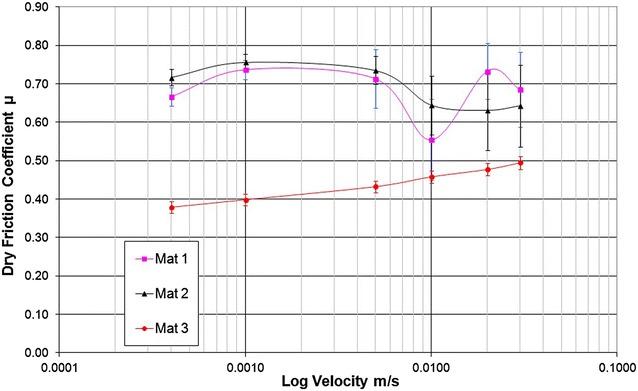
The objective was to investigate the effect of placing mats on concrete slatted floors on performance, behaviour, hoof condition, dirt scores, physiological and immunological variables of beef steers, and to compare responses with animals on out-wintering pads. Continental crossbred beef steers [n = 360; mean (±SD) initial live weight 539 kg (42.2)] were blocked by breed and live weight and randomly assigned to one of five treatments; (1) Concrete slats alone, (2) Mat 1 (Natural Rubber structure) (Durapak Rubber Products), (3) Mat 2 (Natural rubber structure) (EasyFix), (4) Mat 3 (modified ethylene vinyl acetate (EVA) foam structure) and (5) Out-wintering pads (OWP's).
RESULTS
Animals on the OWPs had a greater (P < 0.05) live weight gain (P < 0.05) compared with the slat and Mat 2 treatments: results for Mat 1 and Mat 3 were the same (P > 0.05) as the other treatments. Animals on the OWPs had reduced lying percentage time compared with all the other treatments. Dry matter (DM) intake was greater for animals on the OWPs compared with all the other treatments. Carcass weight, kill out proportion, carcass fat score, carcass composition score, FCR and physiological responses were similar (P > 0.05) among treatments. No incidence of laminitis was observed among treatments. The number of hoof lesions was greater on all mat types (P < 0.05) compared with concrete slats and OWP treatments. Dirt scores were greater (P < 0.05) for animals on OWPs when measured on days 42, 84, 105, 126 and 150 compared with animals on slats.
CONCLUSIONS
Under the conditions adopted for the present study, there was no evidence to suggest that animals housed on bare concrete slats were disadvantaged in respect of animal welfare compared with animals housed on other floor types. It is concluded that the welfare of steers was not adversely affected by slats compared with different mat types or OWPs.
背景
本研究旨在调查在混凝土板条地面铺设垫子对肉牛的生产性能、行为、蹄部状况、污垢评分、生理和免疫变量的影响,并将其反应与在户外越冬垫上饲养的动物进行比较。大陆杂交肉牛 [n = 360;平均(±标准差)初始活重539千克(42.2)] 按品种和活重进行分组,并随机分配到五种处理之一;(1)仅混凝土板条,(2)垫子1(天然橡胶结构)(Durapak橡胶制品),(3)垫子2(天然橡胶结构)(EasyFix),(4)垫子3(改性乙烯醋酸乙烯酯(EVA)泡沫结构)和(5)户外越冬垫(OWP)。
结果
与板条和垫子2处理相比,在OWP上饲养的动物具有更高(P < 0.05)的活体重增加(P < 0.05):垫子1和垫子3的结果与其他处理相同(P > 0.05)。与所有其他处理相比,在OWP上饲养的动物躺卧时间百分比降低。与所有其他处理相比,在OWP上饲养的动物干物质(DM)摄入量更高。各处理之间的胴体重、屠宰率、胴体脂肪评分、胴体组成评分、饲料转化率(FCR)和生理反应相似(P > 0.05)。各处理均未观察到蹄叶炎病例。与混凝土板条和OWP处理相比,所有垫子类型的蹄部病变数量更多(P < 0.05)。在第42、84、105、126和150天测量时,与板条上的动物相比,OWP上的动物污垢评分更高(P < 0.05)。
结论
在本研究采用的条件下,没有证据表明与饲养在其他地面类型上的动物相比,饲养在裸露混凝土板条上的动物在动物福利方面处于劣势。得出的结论是,与不同的垫子类型或OWP相比,板条不会对肉牛的福利产生不利影响。



 Zotero 插件