Institute of Atmospheric and Cryospheric Sciences, University of Innsbruck, Innsbruck, Austria.
Institute of Ecology, University of Innsbruck, Innsbruck, Austria.
Sci Rep. 2017 May 30;7(1):2536. doi: 10.1038/s41598-017-02699-9.
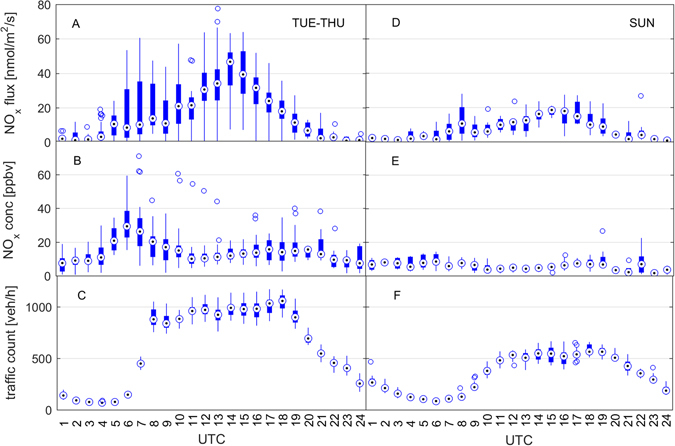
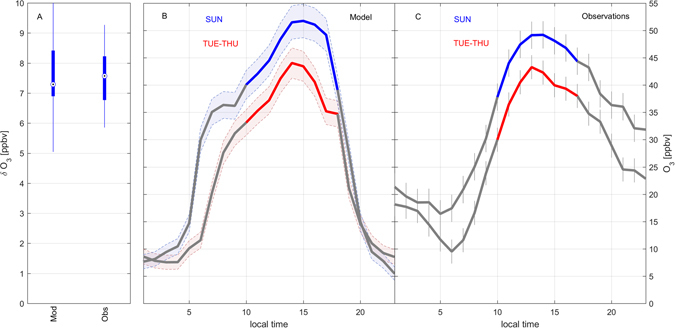
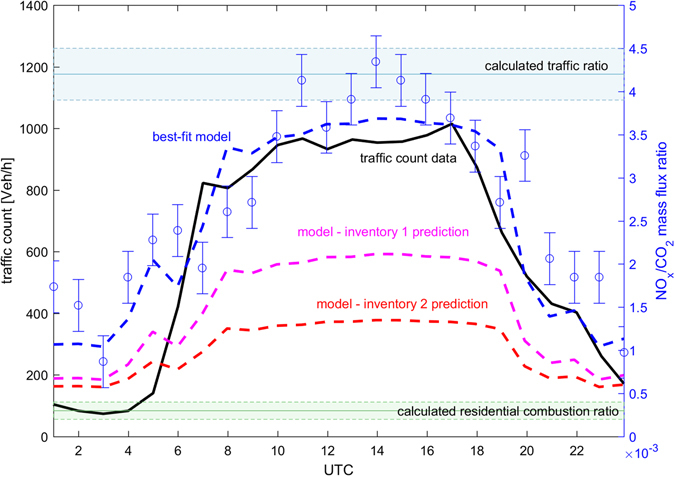
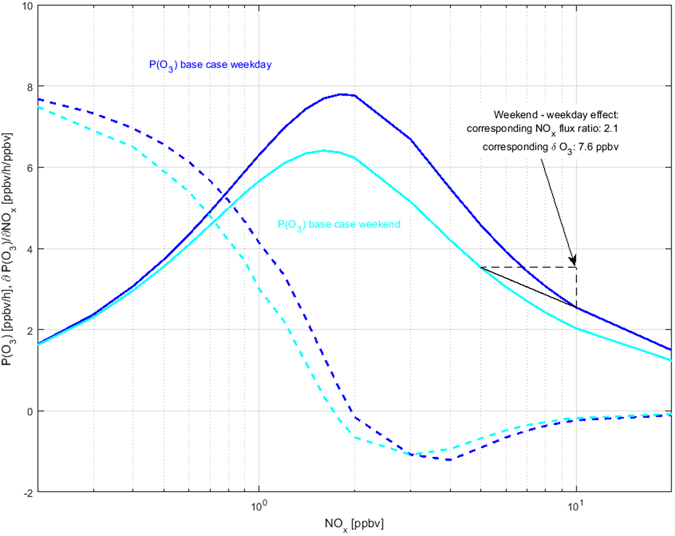
Nitrogen oxide (NO) pollution is emerging as a primary environmental concern across Europe. While some large European metropolitan areas are already in breach of EU safety limits for NO, this phenomenon does not seem to be only restricted to large industrialized areas anymore. Many smaller scale populated agglomerations including their surrounding rural areas are seeing frequent NO concentration violations. The question of a quantitative understanding of different NO emission sources is therefore of immanent relevance for climate and air chemistry models as well as air pollution management and health. Here we report simultaneous eddy covariance flux measurements of NO, CO, CO and non methane volatile organic compound tracers in a city that might be considered representative for Central Europe and the greater Alpine region. Our data show that NO fluxes are largely at variance with modelled emission projections, suggesting an appreciable underestimation of the traffic related atmospheric NO input in Europe, comparable to the weekend-weekday effect, which locally changes ozone production rates by 40%.
氮氧化物(NO)污染正在成为欧洲主要的环境关注点。虽然一些欧洲主要大都市地区已经违反了欧盟对 NO 的安全限制,但这种现象似乎不再仅局限于大型工业化地区。许多规模较小的人口聚集区,包括其周围的农村地区,经常违反 NO 浓度限制。因此,定量了解不同的 NO 排放源对于气候和空气化学模型以及空气污染管理和健康具有重要意义。在这里,我们报告了在一个可能被认为是中欧和阿尔卑斯地区代表的城市中同时进行的 NO、CO、CO 和非甲烷挥发性有机化合物示踪剂的涡度协方差通量测量。我们的数据表明,NO 通量与模型排放预测存在很大差异,这表明欧洲对交通相关大气 NO 输入的估计明显不足,与周末-工作日效应相当,该效应使当地的臭氧生成率变化了 40%。