Department of Oncology Center, Affiliated Hospital of Guangdong Medical CollegeZhanjiang, GuangdongP.R. China.
The Third Department of Medical Oncology, The Third Affiliated Hospital of Xinxiang Medical UniversityXinxiang, HenanP.R. China.
Oncol Res. 2018 Apr 10;26(3):363-372. doi: 10.3727/096504017X14953948675421. Epub 2017 May 26.
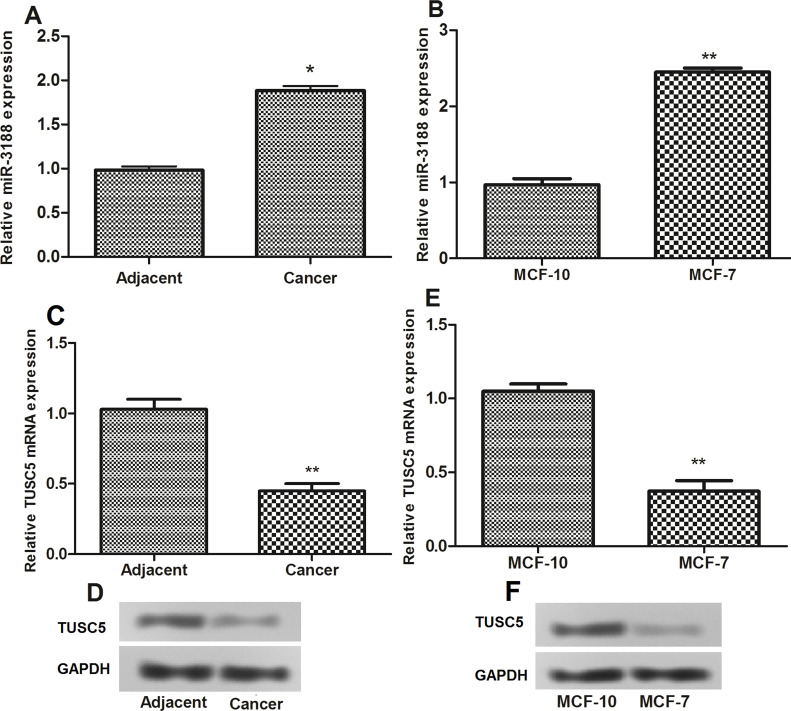
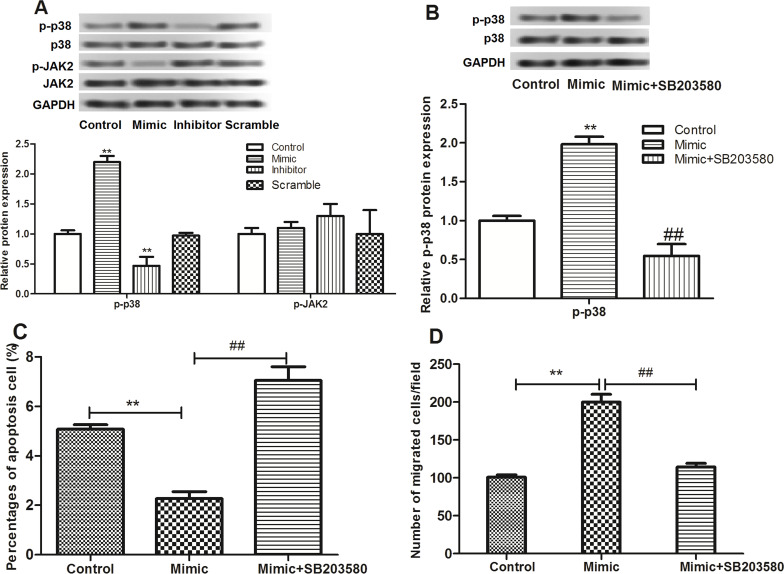
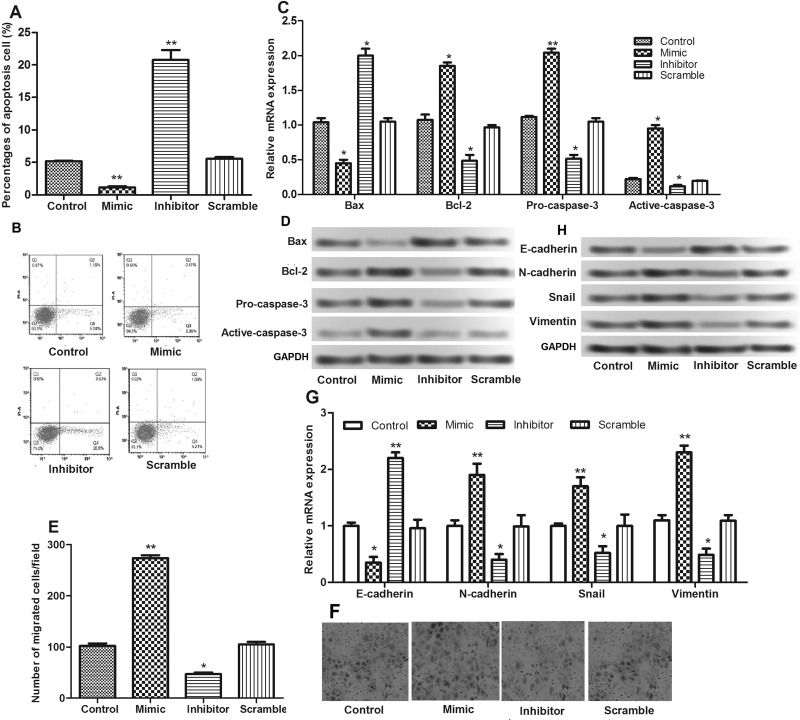
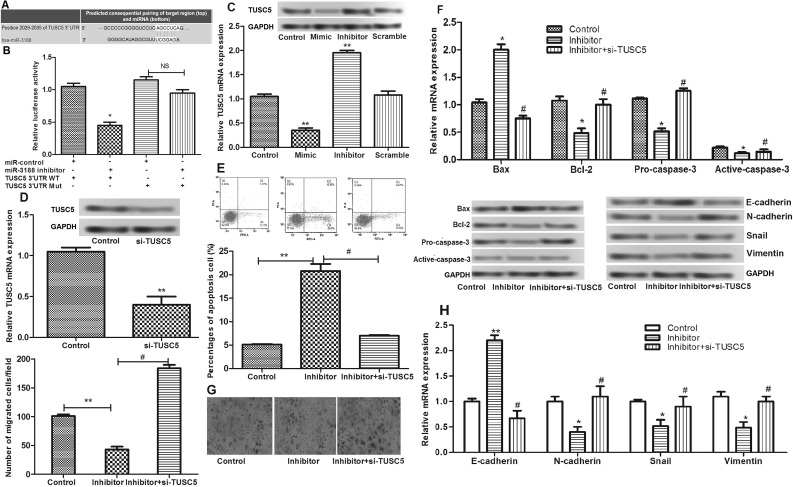
This study intended to investigate the effects of miR-3188 on breast cancer and to reveal the possible molecular mechanisms. miR-3188 was upregulated and TUSC5 was downregulated in breast cancer tissues and MCF-7 cells compared to normal tissue and MCF-10 cells. After MCF-7 cells were transfected with miR-3188 inhibitor, cell proliferation and migration were inhibited, whereas apoptosis was promoted. Luciferase reporter assay suggested that TUSC5 was a target gene of miR-3188. In addition, miR-3188 overexpression increased the p-p38 expression, while miR-3188 suppression decreased the p-p38 expression significantly. miR-3188 regulated breast cancer progression via the p38 MAPK signaling pathway. In conclusion, miR-3188 affects breast cancer cell proliferation, apoptosis, and migration by targeting TUSC5 and activating the p38 MAPK signaling pathway. miR-3188 may serve as a potential therapeutic agent for the treatment of breast cancer.
本研究旨在探讨 miR-3188 对乳腺癌的影响,并揭示可能的分子机制。与正常组织和 MCF-10 细胞相比,miR-3188 在乳腺癌组织和 MCF-7 细胞中上调,而 TUSC5 下调。转染 miR-3188 抑制剂后,MCF-7 细胞的增殖和迁移受到抑制,而凋亡则受到促进。荧光素酶报告基因检测表明 TUSC5 是 miR-3188 的靶基因。此外,miR-3188 过表达显著增加了 p-p38 的表达,而 miR-3188 抑制则显著降低了 p-p38 的表达。miR-3188 通过靶向 TUSC5 并激活 p38 MAPK 信号通路来调节乳腺癌的进展。总之,miR-3188 通过靶向 TUSC5 并激活 p38 MAPK 信号通路影响乳腺癌细胞的增殖、凋亡和迁移。miR-3188 可能成为治疗乳腺癌的潜在治疗剂。