Department of Biomedical Engineering, Yale University, New Haven, Connecticut.
Department of Therapeutic Radiology, Yale University School of Medicine, New Haven, Connecticut.
Mol Cancer Ther. 2017 Aug;16(8):1456-1469. doi: 10.1158/1535-7163.MCT-16-0788. Epub 2017 May 31.
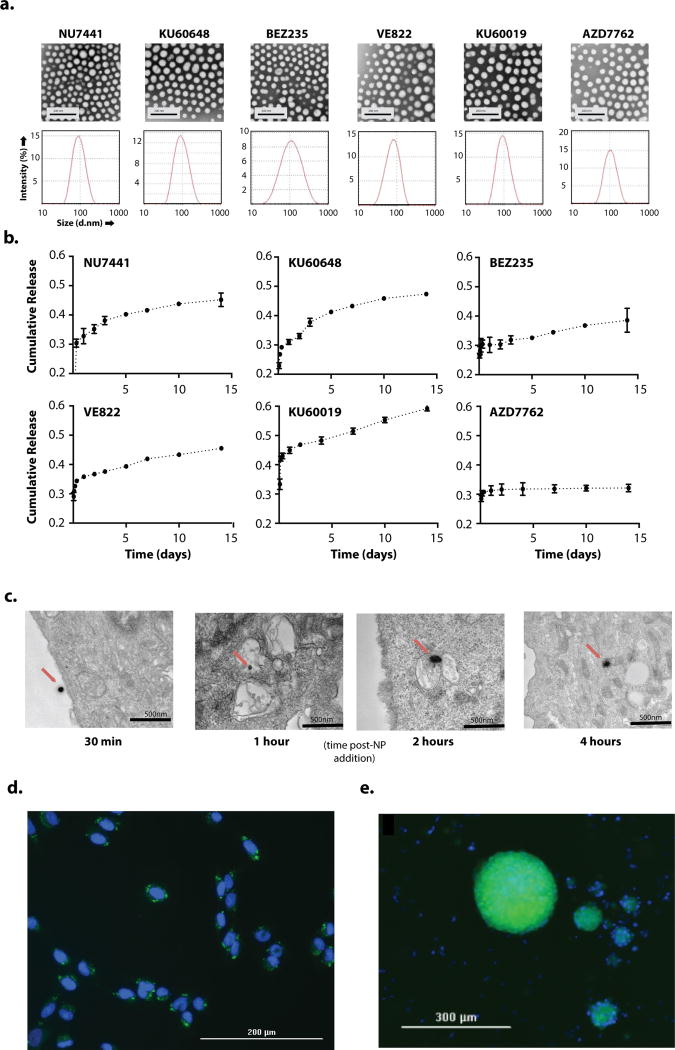
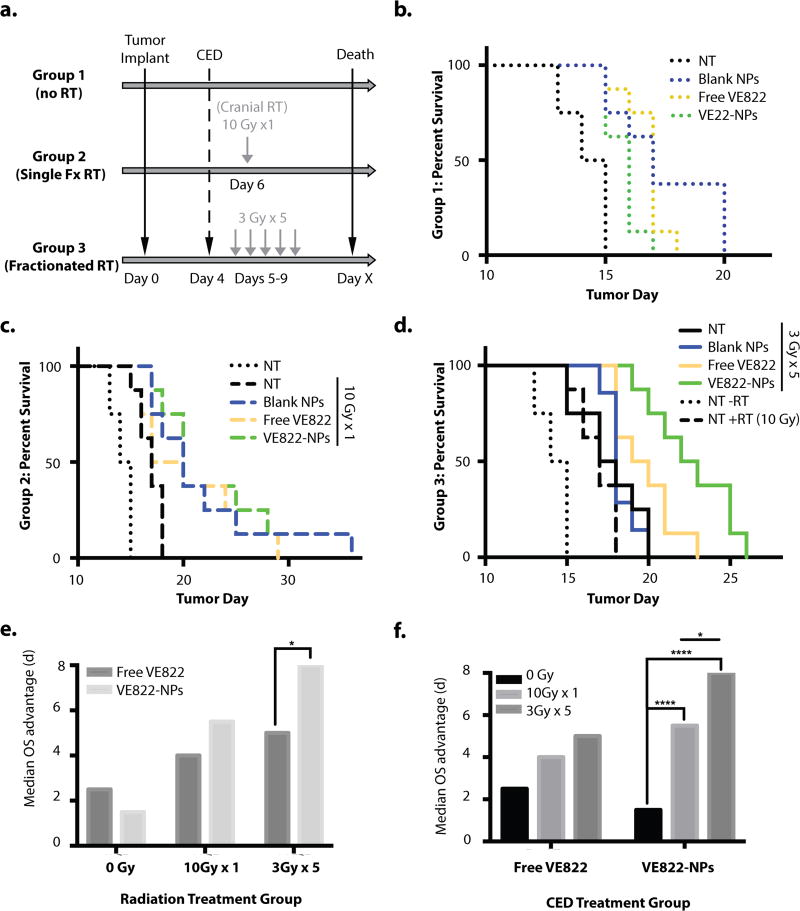
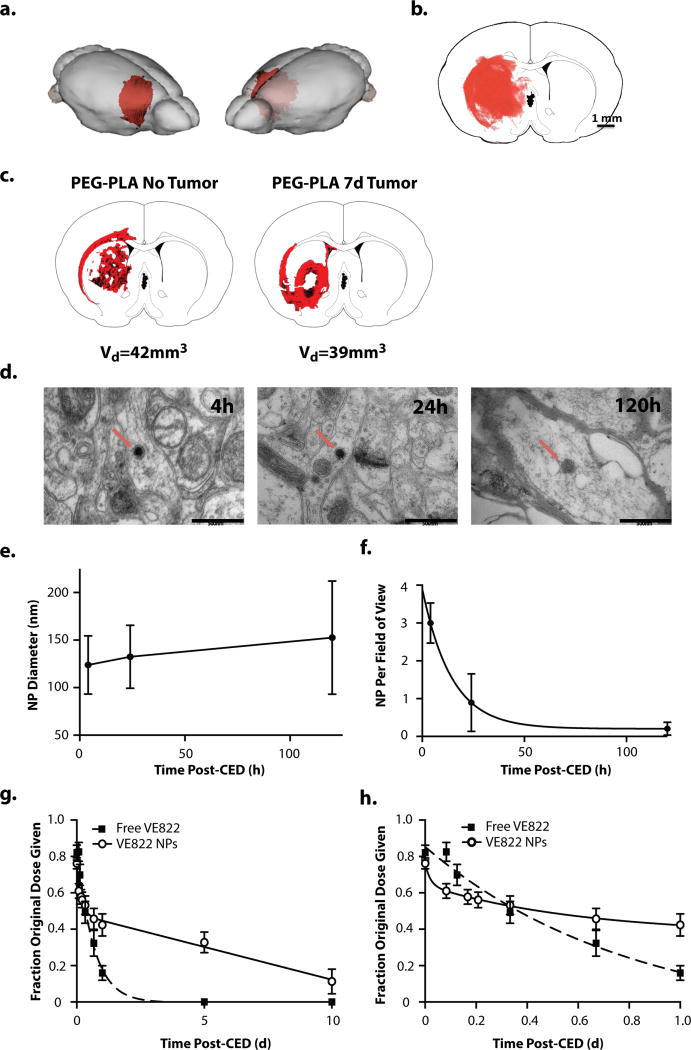
High-grade gliomas, such as glioblastoma (GBM) and diffuse intrinsic pontine glioma (DIPG), are characterized by an aggressive phenotype with nearly universal local disease progression despite multimodal treatment, which typically includes chemotherapy, radiotherapy, and possibly surgery. Radiosensitizers that have improved the effects of radiotherapy for extracranial tumors have been ineffective for the treatment of GBM and DIPG, in part due to poor blood-brain barrier penetration and rapid intracranial clearance of small molecules. Here, we demonstrate that nanoparticles can provide sustained drug release and minimal toxicity. When administered locally, these nanoparticles conferred radiosensitization and improved survival in rats with intracranial gliomas when delivered concurrently with a 5-day course of fractionated radiotherapy. Compared with previous work using locally delivered radiosensitizers and cranial radiation, our approach, based on the rational selection of agents and a clinically relevant radiation dosing schedule, produces the strongest synergistic effects between chemo- and radiotherapy approaches to the treatment of high-grade gliomas. .
高级别神经胶质瘤,如胶质母细胞瘤(GBM)和弥漫性内在脑桥胶质瘤(DIPG),具有侵袭性表型,尽管采用了包括化疗、放疗和可能的手术在内的多模式治疗,但几乎普遍存在局部疾病进展。已经有一些放射增敏剂改善了颅外肿瘤的放疗效果,但对 GBM 和 DIPG 的治疗无效,部分原因是血脑屏障穿透性差和小分子在颅内迅速清除。在这里,我们证明了纳米颗粒可以提供持续的药物释放和最小的毒性。当局部给予这些纳米颗粒时,当与 5 天的分割放疗同时给予时,它们可以使颅内神经胶质瘤大鼠产生放射增敏作用,并改善生存。与以前使用局部给予的放射增敏剂和颅部放疗的工作相比,我们的方法基于合理选择药物和临床相关的放射剂量方案,在化学治疗和放射治疗方法治疗高级别神经胶质瘤方面产生了最强的协同作用。