Singh Susheel K, Roeffen Will, Mistarz Ulrik H, Chourasia Bishwanath Kumar, Yang Fen, Rand Kasper D, Sauerwein Robert W, Theisen Michael
Department for Congenital Disorders, Statens Serum Institut, Artillerivej 5, 2300, Copenhagen, Denmark.
Department of International Health, Immunology and Microbiology, Centre for Medical Parasitology, University of Copenhagen, Copenhagen, Denmark.
Microb Cell Fact. 2017 May 31;16(1):97. doi: 10.1186/s12934-017-0710-0.
The sexual stages of Plasmodium falciparum are responsible for the spread of the parasite in malaria endemic areas. The cysteine-rich Pfs48/45 protein, exposed on the surface of sexual stages, is one of the most advanced antigens for inclusion into a vaccine that will block transmission. However, clinical Pfs48/45 sub-unit vaccine development has been hampered by the inability to produce high yields of recombinant protein as the native structure is required for the induction of functional transmission-blocking (TB) antibodies. We have investigated a downstream purification process of a sub-unit (R0.6C) fragment representing the C-terminal 6-Cys domain of Pfs48/45 (6C) genetically fused to the R0 region (R0) of asexual stage Glutamate Rich Protein expressed in Lactococcus lactis.
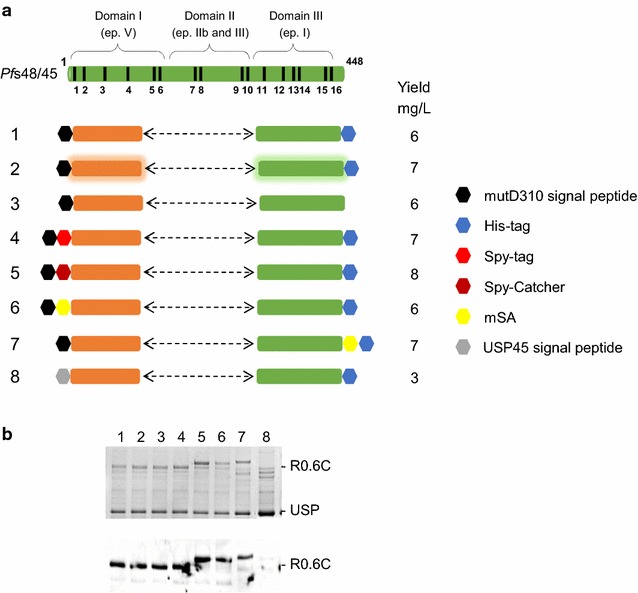
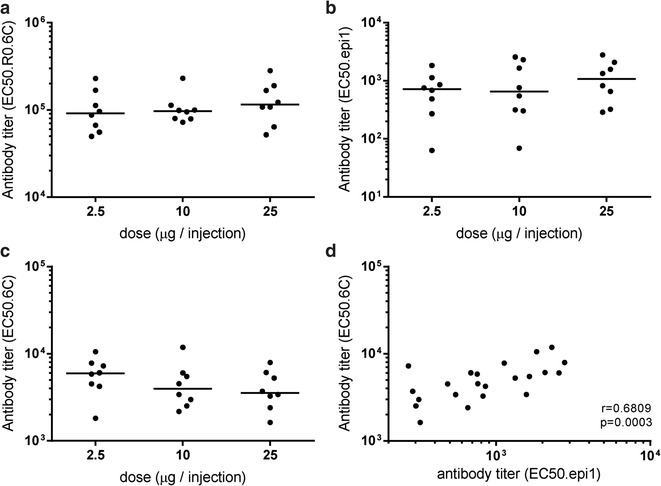
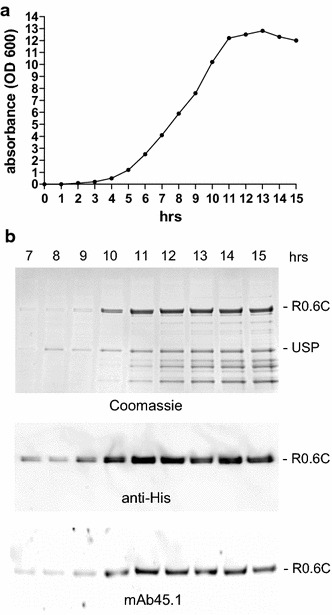
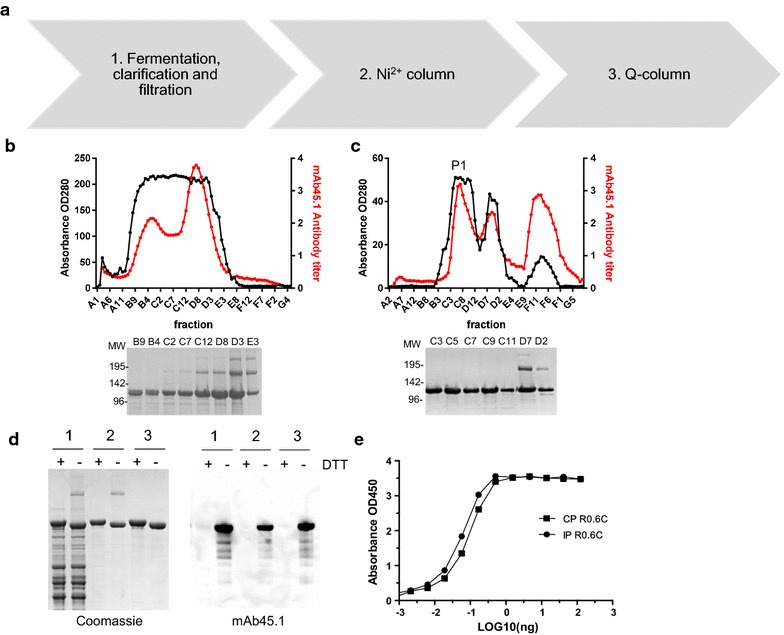
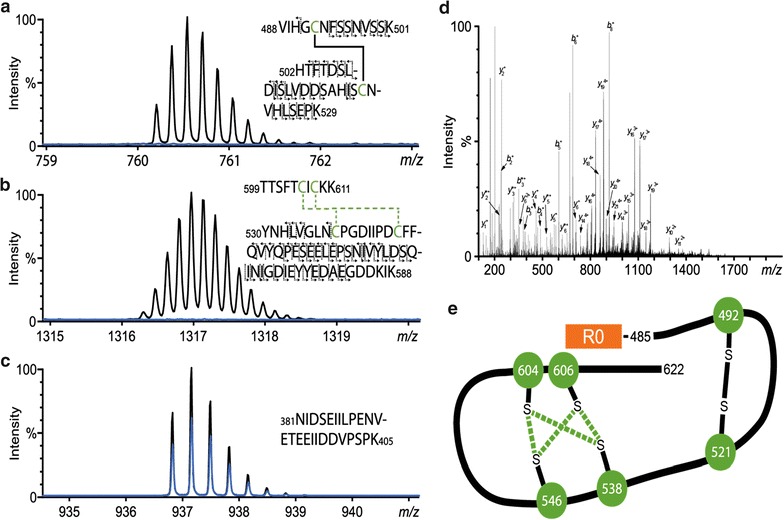
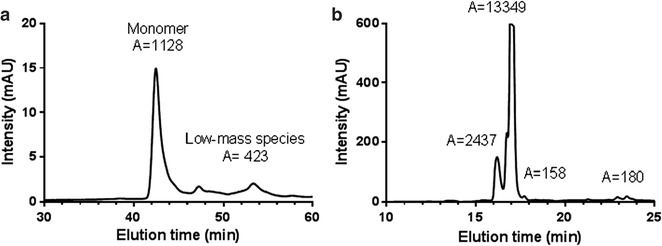
A series of R0.6C fusion proteins containing features, which aim to increase expression levels or to facilitate protein purification, were evaluated at small scale. None of these modifications affected the overall yield of recombinant protein. Consequently, R0.6C with a C-terminal his tag was used for upstream and downstream process development. A simple work-flow was developed consisting of batch fermentation followed by two purification steps. As such, the recombinant protein was purified to homogeneity. The composition of the final product was verified by HPLC, mass spectrometry, SDS-PAGE and Western blotting with conformation dependent antibodies against Pfs48/45. The recombinant protein induced high levels of functional TB antibodies in rats.
The established production and purification process of the R0.6C fusion protein provide a strong basis for further clinical development of this candidate transmission blocking malaria vaccine.
恶性疟原虫的有性阶段是该寄生虫在疟疾流行地区传播的原因。富含半胱氨酸的Pfs48/45蛋白暴露于有性阶段表面,是纳入可阻断传播的疫苗的最先进抗原之一。然而,临床Pfs48/45亚单位疫苗的开发受到阻碍,因为无法高产重组蛋白,而诱导功能性传播阻断(TB)抗体需要天然结构。我们研究了一种亚单位(R0.6C)片段的下游纯化过程,该片段代表Pfs48/45(6C)的C端6-半胱氨酸结构域,与在乳酸乳球菌中表达的无性阶段富含谷氨酸蛋白的R0区域(R0)基因融合。
对一系列含有旨在提高表达水平或促进蛋白质纯化特征的R0.6C融合蛋白进行了小规模评估。这些修饰均未影响重组蛋白的总产量。因此,带有C端组氨酸标签的R0.6C用于上下游工艺开发。开发了一个简单的工作流程,包括分批发酵,然后进行两个纯化步骤。这样,重组蛋白被纯化至同质。通过HPLC、质谱、SDS-PAGE以及使用针对Pfs48/45的构象依赖性抗体进行的Western印迹验证了最终产品的组成。重组蛋白在大鼠中诱导了高水平的功能性TB抗体。
已建立的R0.6C融合蛋白生产和纯化工艺为该候选传播阻断疟疾疫苗的进一步临床开发提供了坚实基础。