Tan Kuan, Rand Jacquie, Morton John
School of Veterinary Science, The University of Queensland, Gatton, Queensland 4343, Australia.
Australian Pet Welfare Foundation, Kenmore, Queensland 4069, Australia.
Animals (Basel). 2017 Jun 2;7(6):46. doi: 10.3390/ani7060046.
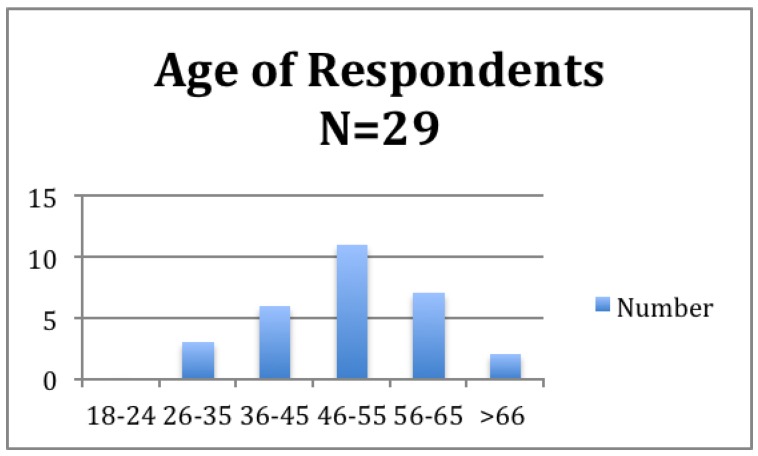
Trap, neuter and return (TNR) describes a non-lethal approach to the control of urban stray cat populations. Currently, in Australia, lethal control is common, with over 85% of cats entering some municipal pounds euthanized. No research has been published describing TNR activities in Australia. Adults involved with TNR in Australia were invited to participate. Data from 53 respondents were collected via an anonymous online questionnaire. Most respondents were females 36 to 65 years of age, and slightly more participated in TNR as individuals than as part of an organization. Respondents generally self-funded at least some of their TNR activities. The median number of colonies per respondent was 1.5 (range 1 to over 100). Median colony size declined from 11.5 to 6.5 cats under TNR over a median of 2.2 years, and the median percent reduction was 31%; this was achieved by rehoming cats and kittens and reducing reproduction. A median of 69% of cats in each colony were desexed at the time of reporting. Most respondents fed cats once or twice daily, and at least 28% of respondents microchipped cats. Prophylactic healthcare was provided to adult cats and kittens, commonly for intestinal parasites (at least 49%), and fleas (at least 46%); vaccinations were less common. Time-consuming activities for respondents were feeding (median 4 h/week) and locating resources (median 1.1 h/week). These findings indicate that TNR, when involving high desexing rates within colonies, adoption of kittens and friendly adults, and ongoing oversight by volunteer caretakers, can reduce cat numbers over time, improve health and welfare of cats and kittens, and is largely funded by private individuals and organizations.
诱捕、绝育和放归(TNR)描述了一种控制城市流浪猫数量的非致命方法。目前,在澳大利亚,致死性控制很常见,超过85%进入一些市政收容所的猫被安乐死。尚未有研究发表描述澳大利亚的TNR活动。邀请了参与澳大利亚TNR活动的成年人参与。通过匿名在线问卷收集了53名受访者的数据。大多数受访者为36至65岁的女性,以个人身份参与TNR的人数略多于作为组织一部分参与的人数。受访者通常至少自行承担部分TNR活动的费用。每位受访者管理的猫群中位数为1.5个(范围为1至100多个)。在中位数为2.2年的时间里,每个猫群的猫数量中位数从11.5只降至6.5只,中位数减少百分比为31%;这是通过安置猫咪和小猫以及减少繁殖实现的。在报告时,每个猫群中中位数为69%的猫已绝育。大多数受访者每天喂猫一到两次,至少28%的受访者为猫植入了微芯片。为成年猫和小猫提供预防性医疗保健,常见的是针对肠道寄生虫(至少49%)和跳蚤(至少46%);疫苗接种则较少见。受访者耗时的活动是喂食(中位数为每周4小时)和寻找资源(中位数为每周1.1小时)。这些发现表明,当TNR涉及猫群内的高绝育率、收养小猫和友好的成年猫以及志愿者照顾者的持续监督时,随着时间的推移可以减少猫的数量,改善猫和小猫的健康与福利,并且主要由私人个体和组织提供资金。