He Shenghui, Sharpless Norman E
Departments of Medicine and Genetics, University of North Carolina School of Medicine, Chapel Hill, NC 27599-7295, USA; The Lineberger Comprehensive Cancer Center, University of North Carolina School of Medicine, Chapel Hill, NC 27599-7295, USA.
Departments of Medicine and Genetics, University of North Carolina School of Medicine, Chapel Hill, NC 27599-7295, USA; The Lineberger Comprehensive Cancer Center, University of North Carolina School of Medicine, Chapel Hill, NC 27599-7295, USA.
Cell. 2017 Jun 1;169(6):1000-1011. doi: 10.1016/j.cell.2017.05.015.
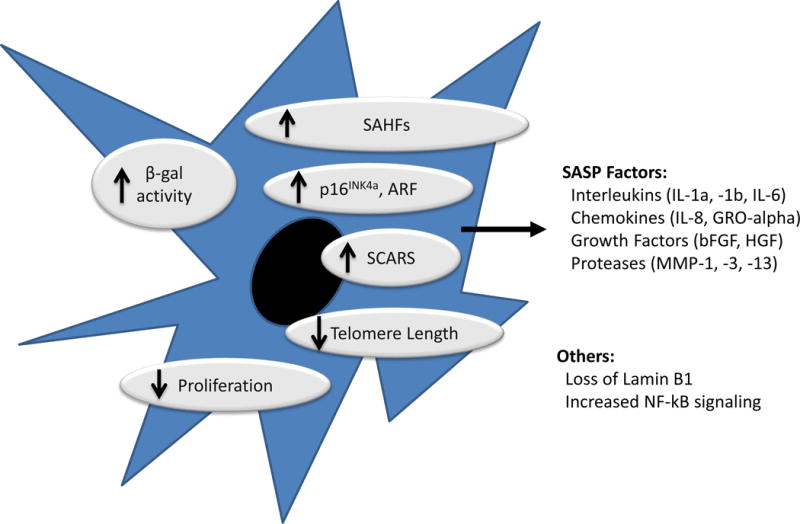
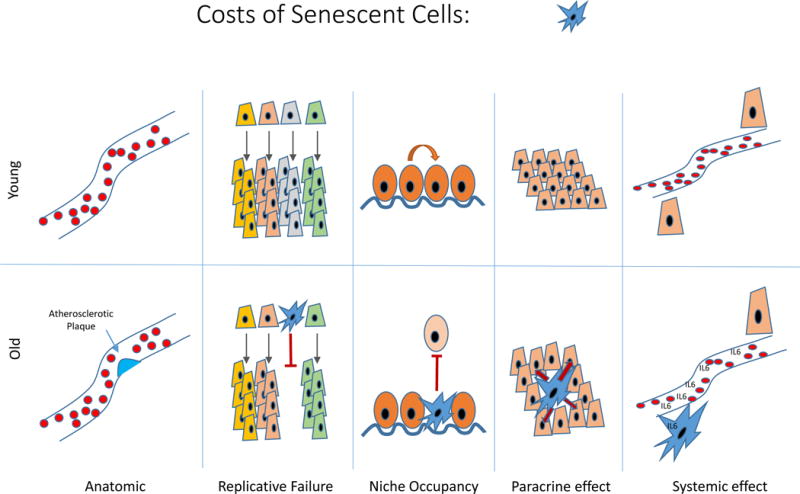
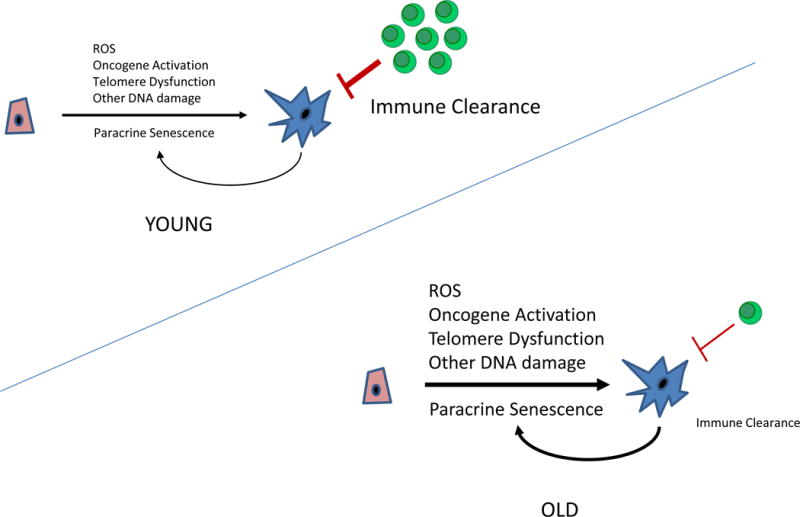
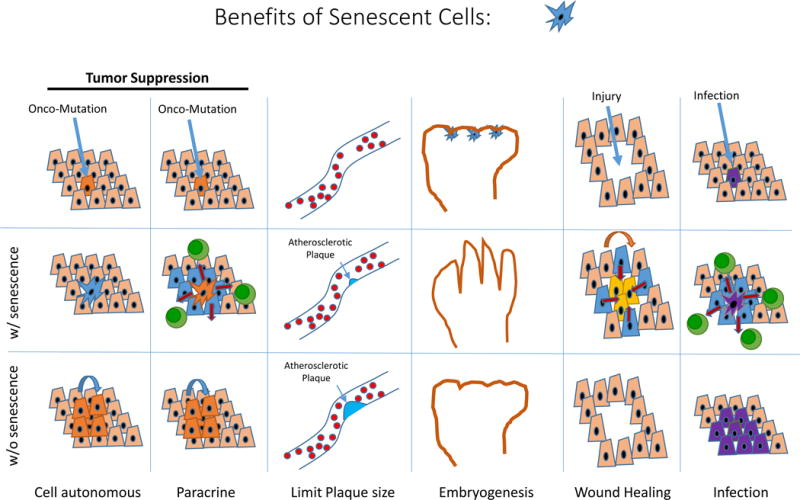
Many cellular stresses activate senescence, a persistent hyporeplicative state characterized in part by expression of the p16 cell-cycle inhibitor. Senescent cell production occurs throughout life and plays beneficial roles in a variety of physiological and pathological processes including embryogenesis, wound healing, host immunity, and tumor suppression. Meanwhile, the steady accumulation of senescent cells with age also has adverse consequences. These non-proliferating cells occupy key cellular niches and elaborate pro-inflammatory cytokines, contributing to aging-related diseases and morbidity. This model suggests that the abundance of senescent cells in vivo predicts "molecular," as opposed to chronologic, age and that senescent cell clearance may mitigate aging-associated pathology.
许多细胞应激会激活衰老,这是一种持续的低复制状态,部分特征是p16细胞周期抑制剂的表达。衰老细胞的产生贯穿一生,并在包括胚胎发育、伤口愈合、宿主免疫和肿瘤抑制在内的各种生理和病理过程中发挥有益作用。与此同时,衰老细胞随着年龄的稳步积累也会产生不良后果。这些不增殖的细胞占据关键的细胞龛位并分泌促炎细胞因子,导致与衰老相关的疾病和发病。该模型表明,体内衰老细胞的丰度预示着 “分子” 年龄而非实际年龄,并且清除衰老细胞可能会减轻与衰老相关的病理状况。