Siefkes Michael J
Great Lakes Fishery Commission, 2100 Commonwealth Blvd., Suite 100, Ann Arbor, MI 48105, USA.
Conserv Physiol. 2017 May 30;5(1):cox031. doi: 10.1093/conphys/cox031. eCollection 2017.
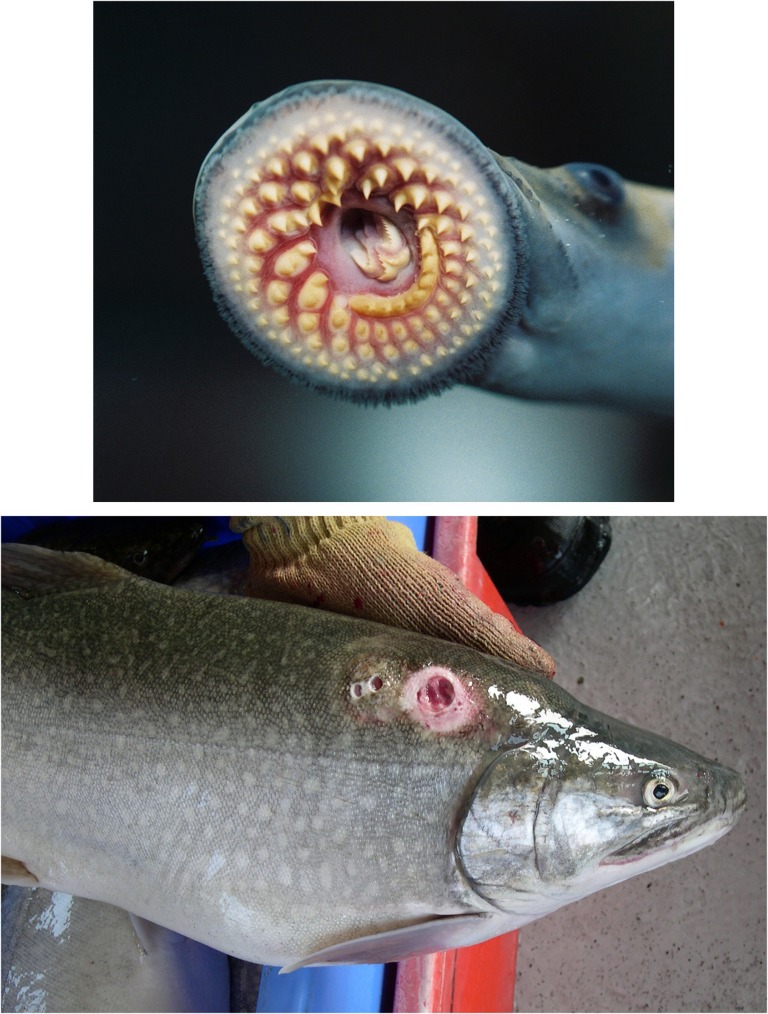
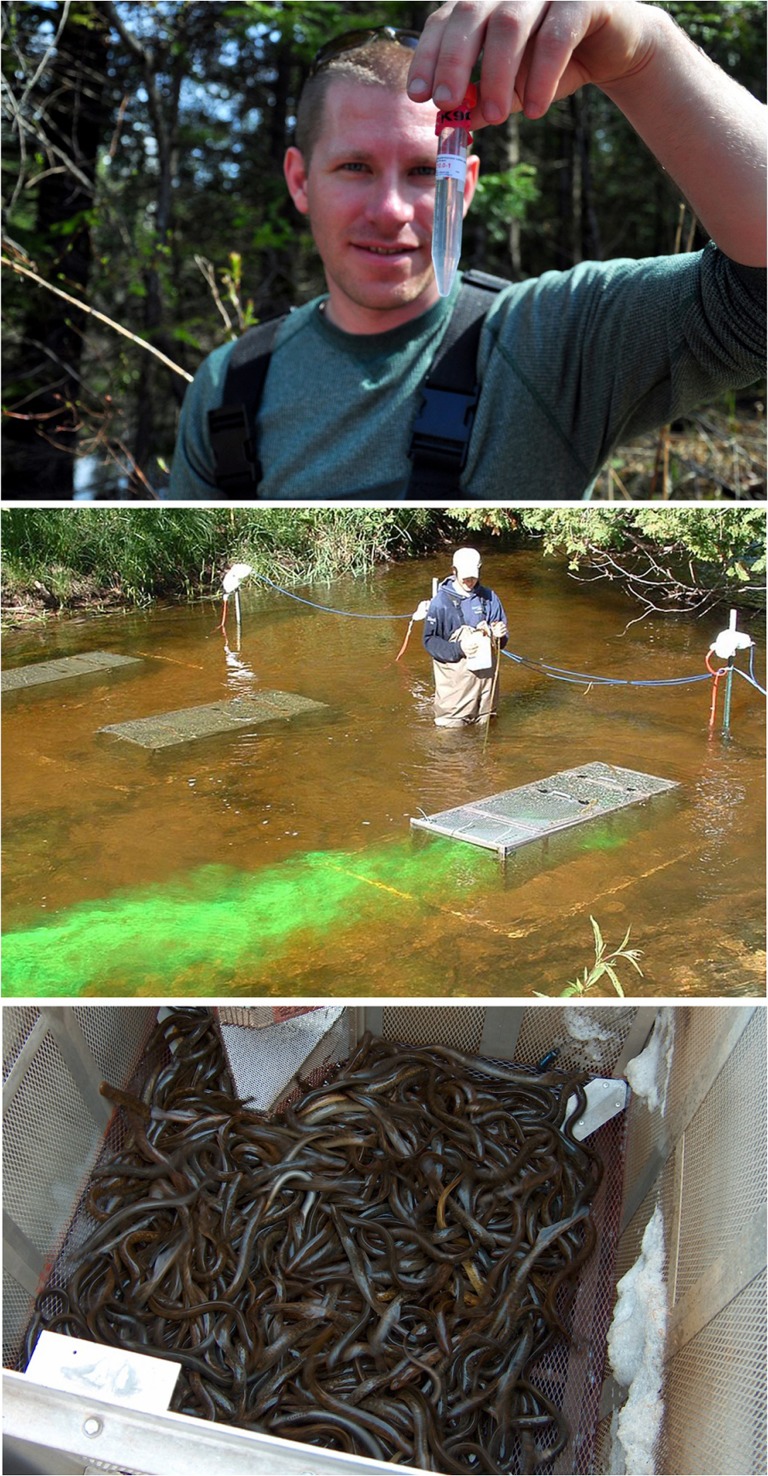
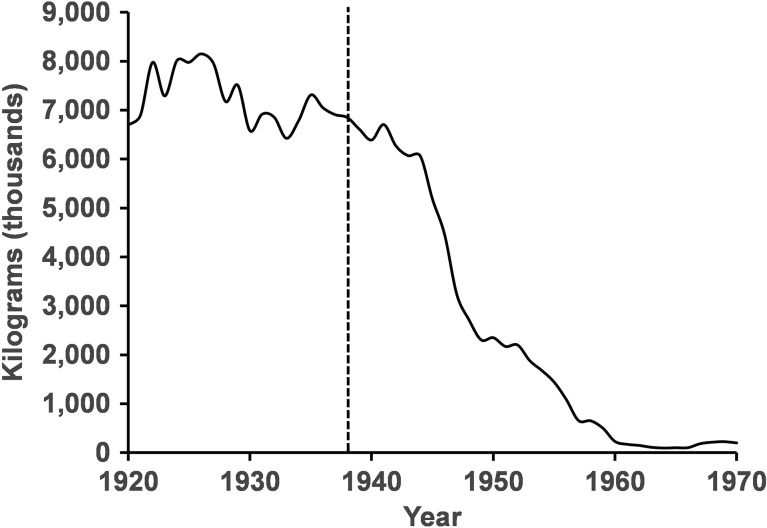
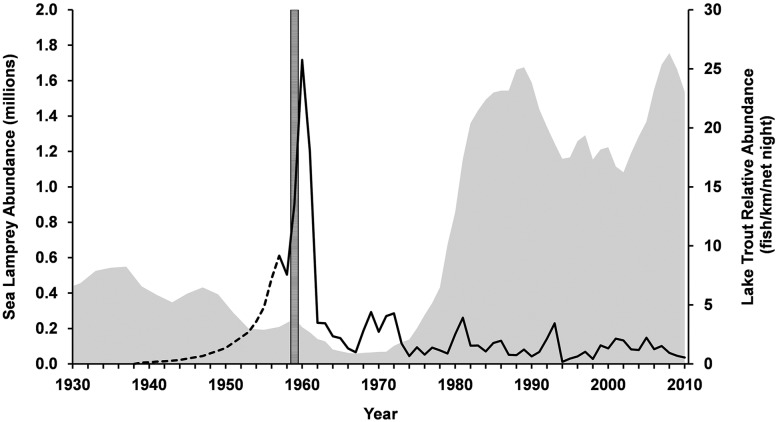
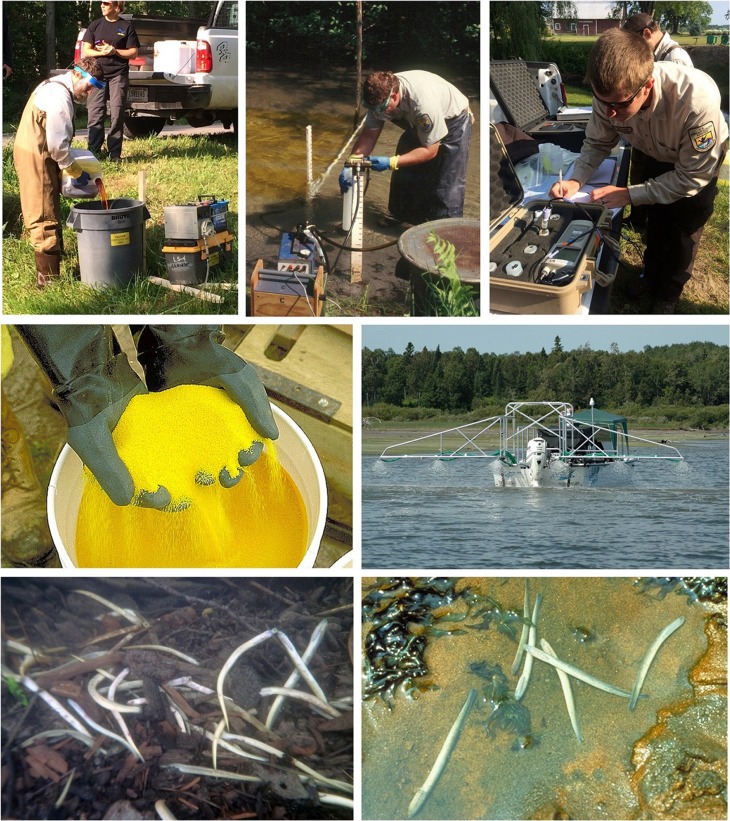
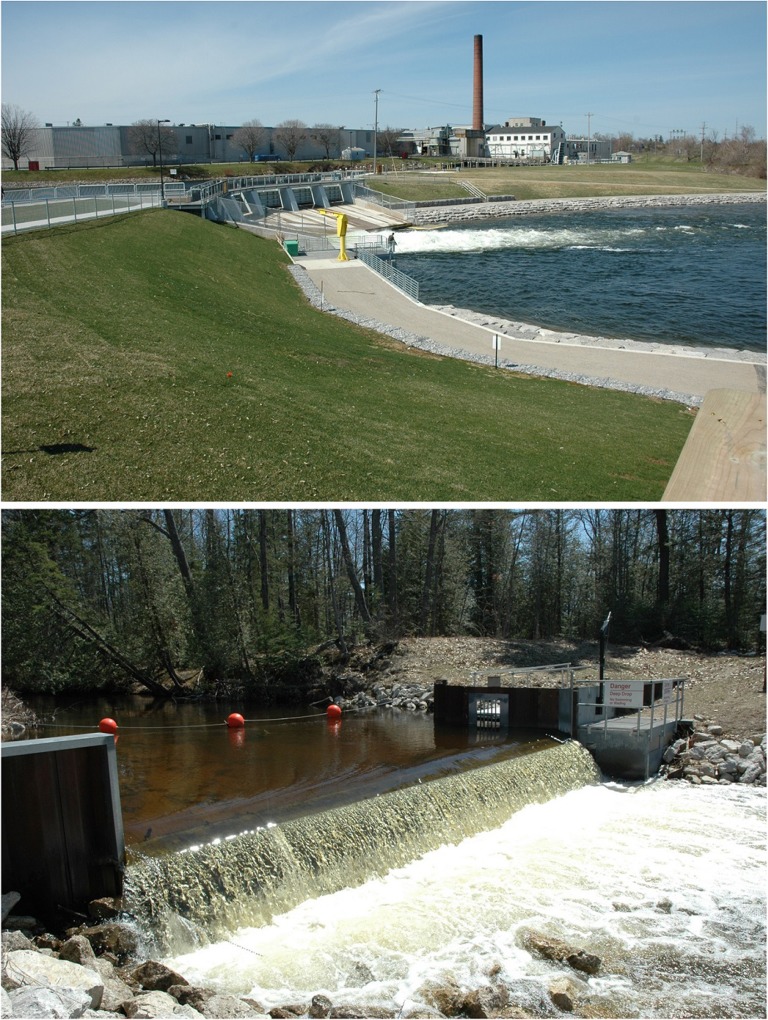
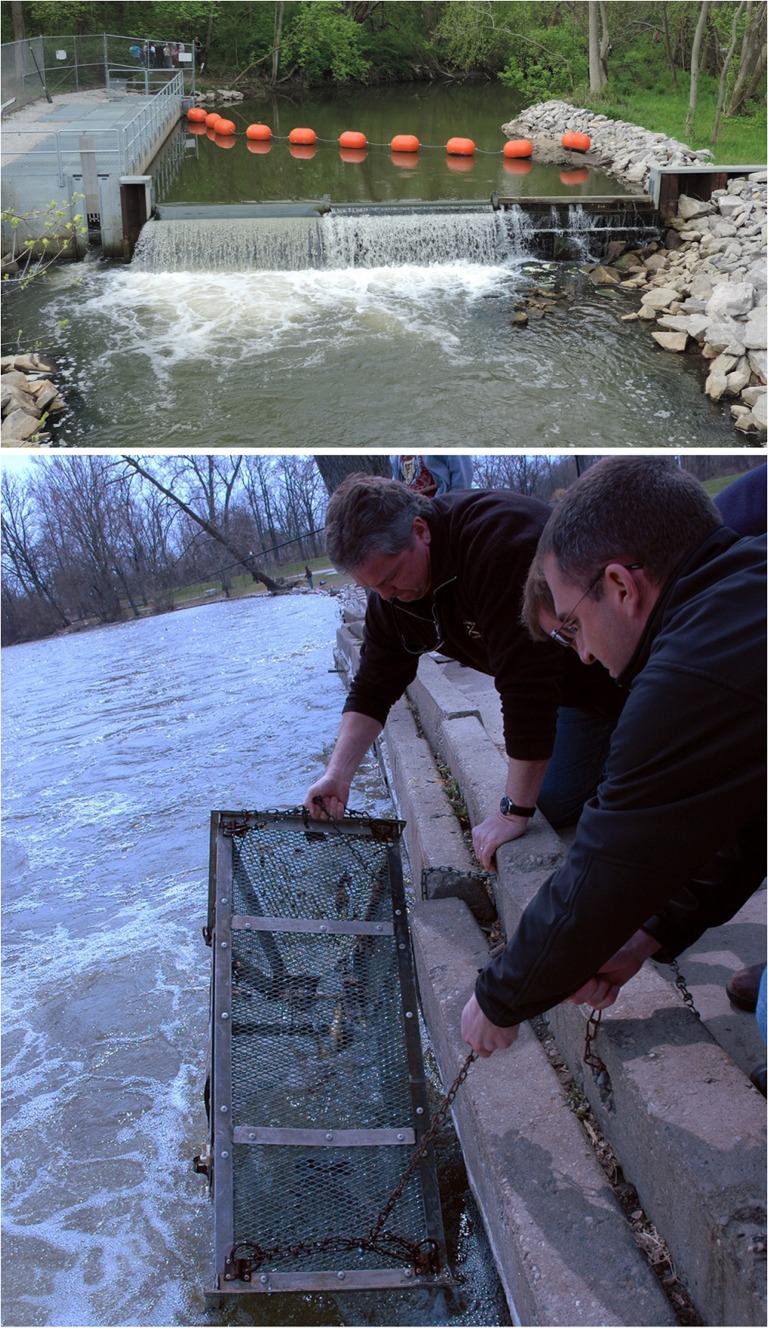
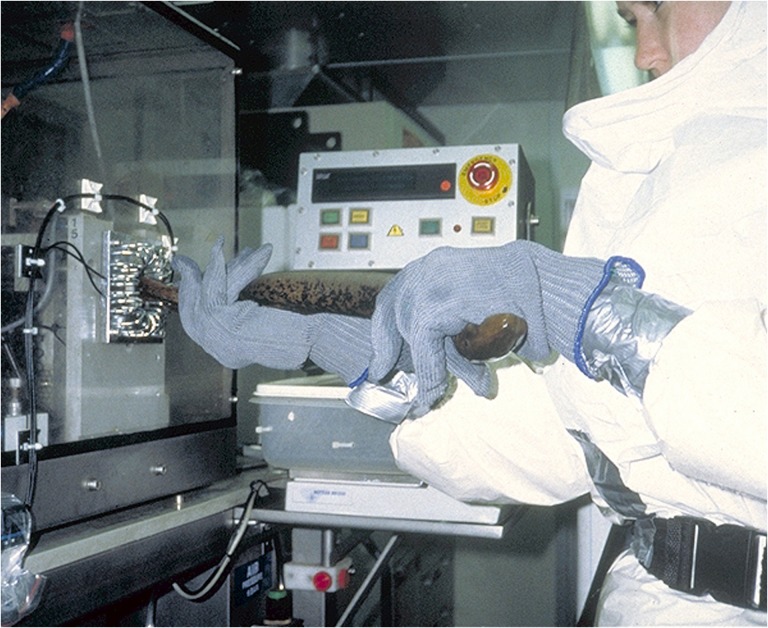
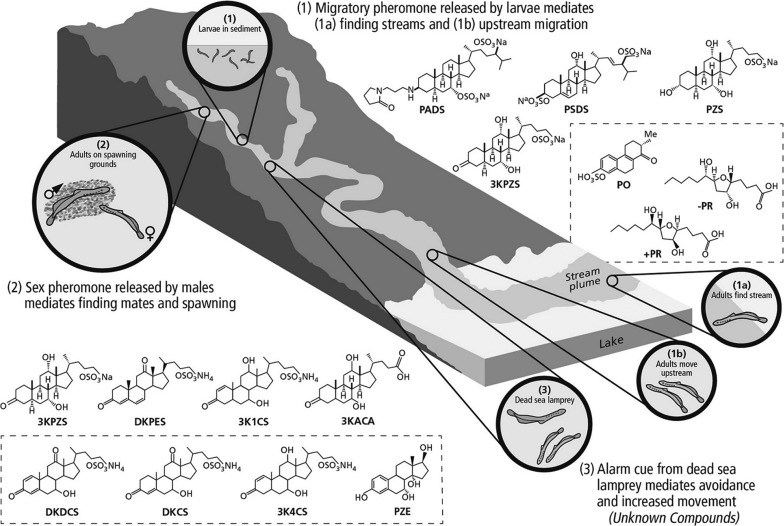
Sea lamprey () control in the Laurentian Great Lakes of North America is an example of using physiological knowledge to successfully control an invasive species and rehabilitate an ecosystem and valuable fishery. The parasitic sea lamprey contributed to the devastating collapse of native fish communities after invading the Great Lakes during the 1800s and early 1900s. Economic tragedy ensued with the loss of the fishery and severe impacts to property values and tourism resulting from sea lamprey-induced ecological changes. To control the sea lamprey and rehabilitate the once vibrant Great Lakes ecosystem and economy, the Great Lakes Fishery Commission (Commission) was formed by treaty between Canada and the United States in 1955. The Commission has developed a sea lamprey control programme based on their physiological vulnerabilities, which includes (i) the application of selective pesticides (lampricides), which successfully kill sedentary sea lamprey larvae in their natal streams; (ii) barriers to spawning migrations and associated traps to prevent infestations of upstream habitats and remove adult sea lamprey before they reproduce; and (iii) the release of sterilized males to reduce the reproductive potential of spawning populations in select streams. Since 1958, the application of the sea lamprey control programme has suppressed sea lamprey populations by ~90% from peak abundance. Great Lakes fish populations have rebounded and the economy is now thriving. In hopes of further enhancing the efficacy and selectivity of the sea lamprey control programme, the Commission is exploring the use of (i) sea lamprey chemosensory cues (pheromones and alarm cues) to manipulate behaviours and physiologies, and (ii) genetics to identify and manipulate genes associated with key physiological functions, for control purposes. Overall, the Commission capitalizes on the unique physiology of the sea lamprey and strives to develop a diverse integrated programme to successfully control a once devastating invasive species.
在北美劳伦琴五大湖对海七鳃鳗()进行控制,是一个利用生理学知识成功控制入侵物种、恢复生态系统和重要渔业资源的范例。寄生性海七鳃鳗在19世纪和20世纪初入侵五大湖后,导致当地鱼类群落遭受毁灭性崩溃。随之而来的是经济悲剧,渔业损失惨重,海七鳃鳗引发的生态变化对房地产价值和旅游业造成了严重影响。为了控制海七鳃鳗并恢复曾经生机勃勃的五大湖生态系统和经济,加拿大和美国于1955年通过条约成立了五大湖渔业委员会(委员会)。该委员会根据海七鳃鳗的生理弱点制定了一项海七鳃鳗控制计划,其中包括:(i)使用选择性杀虫剂(杀幼虫剂),成功杀死其出生溪流中静止不动的海七鳃鳗幼虫;(ii)设置产卵洄游障碍及相关诱捕装置,以防止上游栖息地受到侵扰,并在成年海七鳃鳗繁殖前将其捕获;(iii)释放绝育雄鳗,以降低特定溪流中产卵群体的繁殖潜力。自1958年以来,海七鳃鳗控制计划的实施已使海七鳃鳗数量从峰值丰度减少了约90%。五大湖的鱼类种群已经恢复,经济现在也蓬勃发展。为了进一步提高海七鳃鳗控制计划的有效性和选择性,该委员会正在探索利用:(i)海七鳃鳗的化学感应线索(信息素和警报线索)来操纵其行为和生理机能;(ii)遗传学来识别和操纵与关键生理功能相关的基因,以达到控制目的。总体而言,该委员会利用海七鳃鳗独特的生理特性,努力制定一个多样化的综合计划,以成功控制一种曾经具有毁灭性的入侵物种。