Oh-Oka Kyoko, Kojima Yuko, Uchida Koichiro, Yoda Kimiko, Ishimaru Kayoko, Nakajima Shotaro, Hemmi Jun, Kano Hiroshi, Fujii-Kuriyama Yoshiaki, Katoh Ryohei, Ito Hiroyuki, Nakao Atsuhito
Department of Immunology, Faculty of Medicine, University of Yamanashi, Yamanashi, Japan.
The Laboratory of Morphology and Image Analysis, Research Support Center, Juntendo University School of Medicine, Tokyo, Japan.
Cell Mol Gastroenterol Hepatol. 2017 Apr 11;4(1):135-151. doi: 10.1016/j.jcmgh.2017.03.010. eCollection 2017 Jul.
BACKGROUND & AIMS: Mesalamine is a first-line drug for treatment of inflammatory bowel diseases (IBD). However, its mechanisms are not fully understood. CD4 Foxp3 regulatory T cells (Tregs) play a potential role in suppressing IBD. This study determined whether the anti-inflammatory activity of mesalamine is related to Treg induction in the colon.
We examined the frequencies of Tregs in the colons of wild-type mice, mice deficient for aryl hydrocarbon receptor ( mice), and bone marrow-chimeric mice lacking AhR in hematopoietic cells (BM- mice), following oral treatment with mesalamine. We also examined the effects of mesalamine on transforming growth factor (TGF)-β expression in the colon.
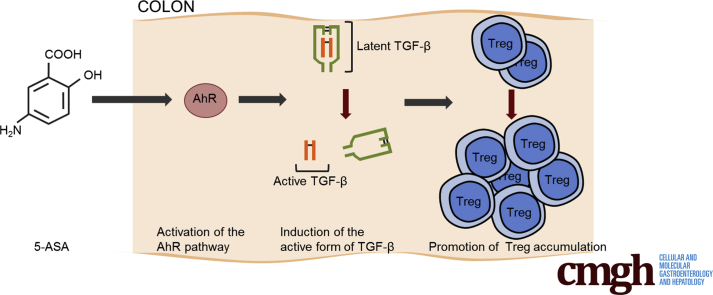
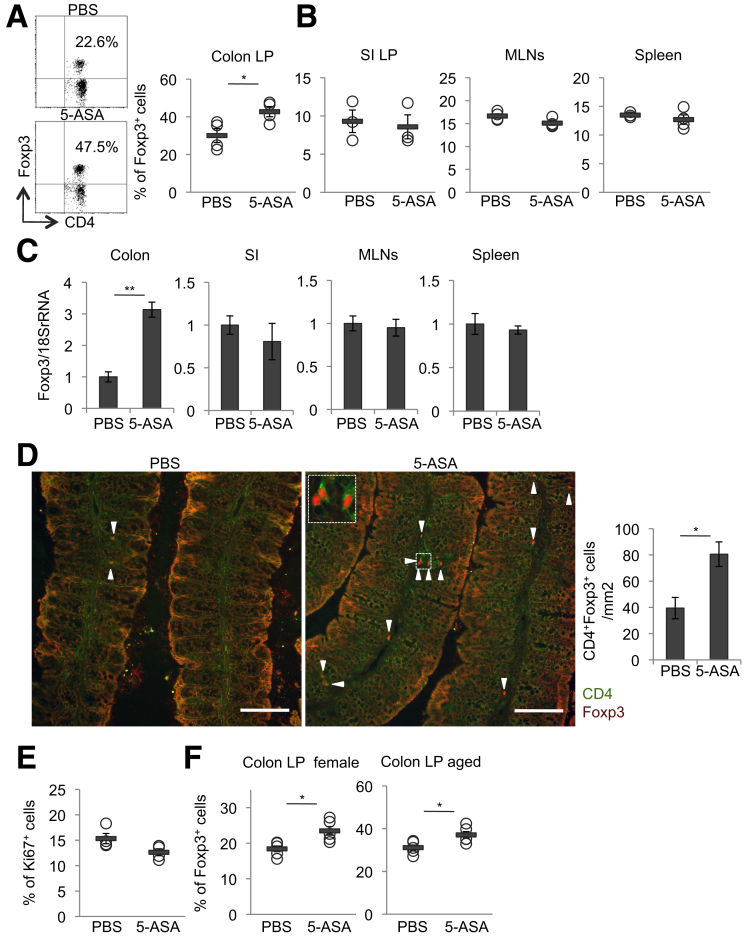
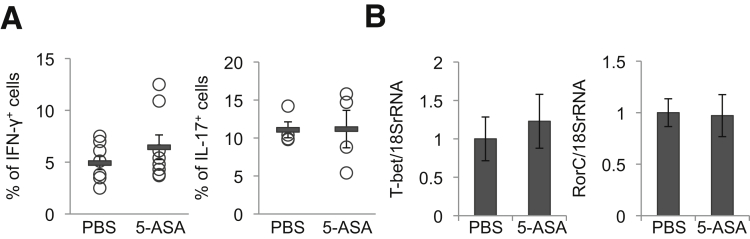
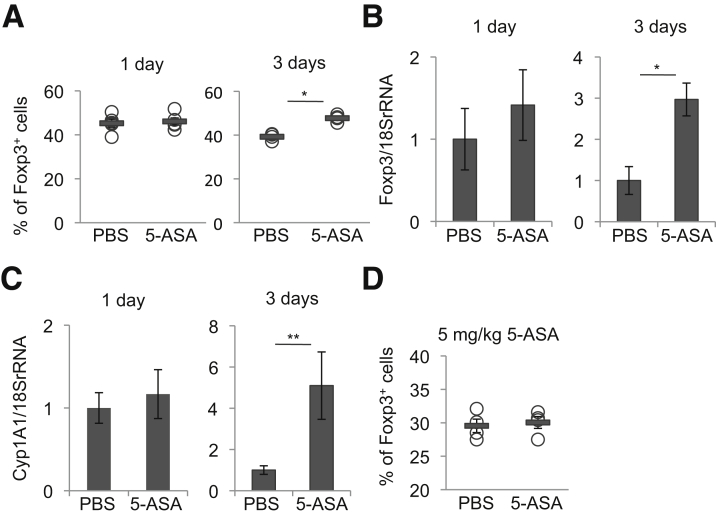
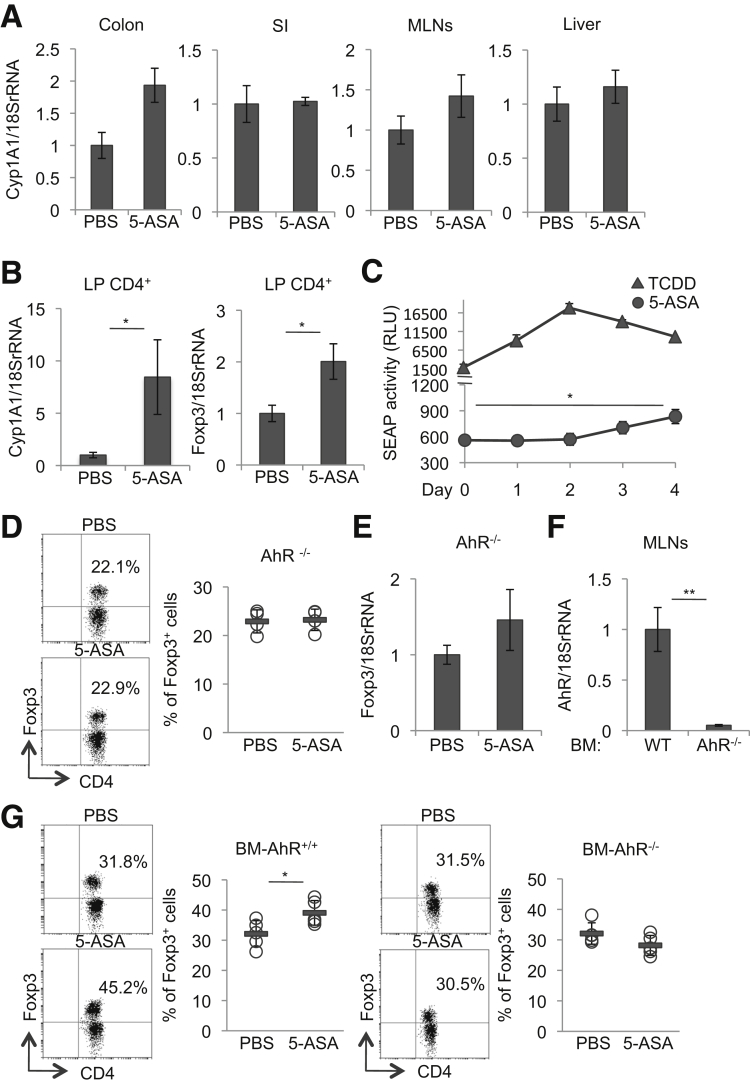
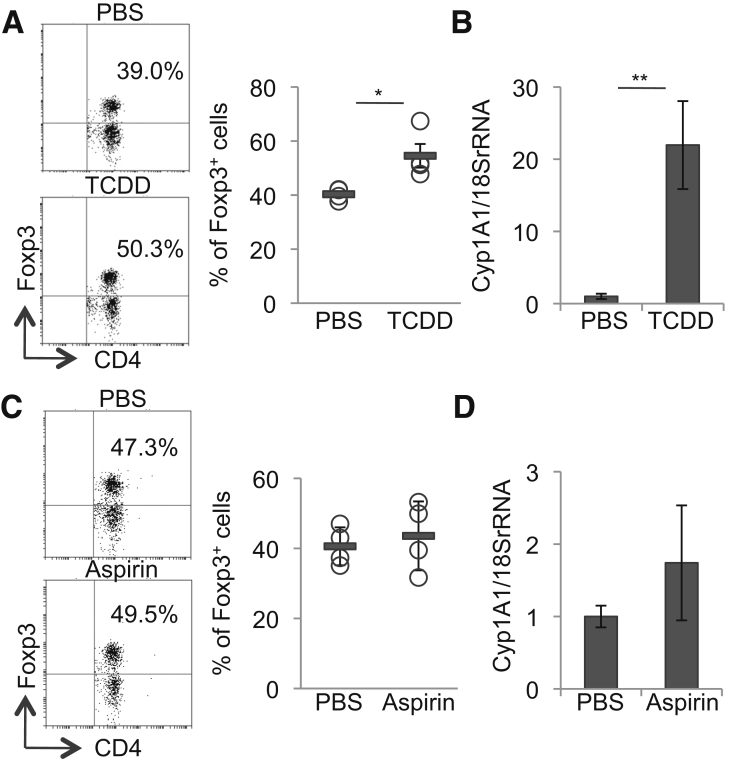
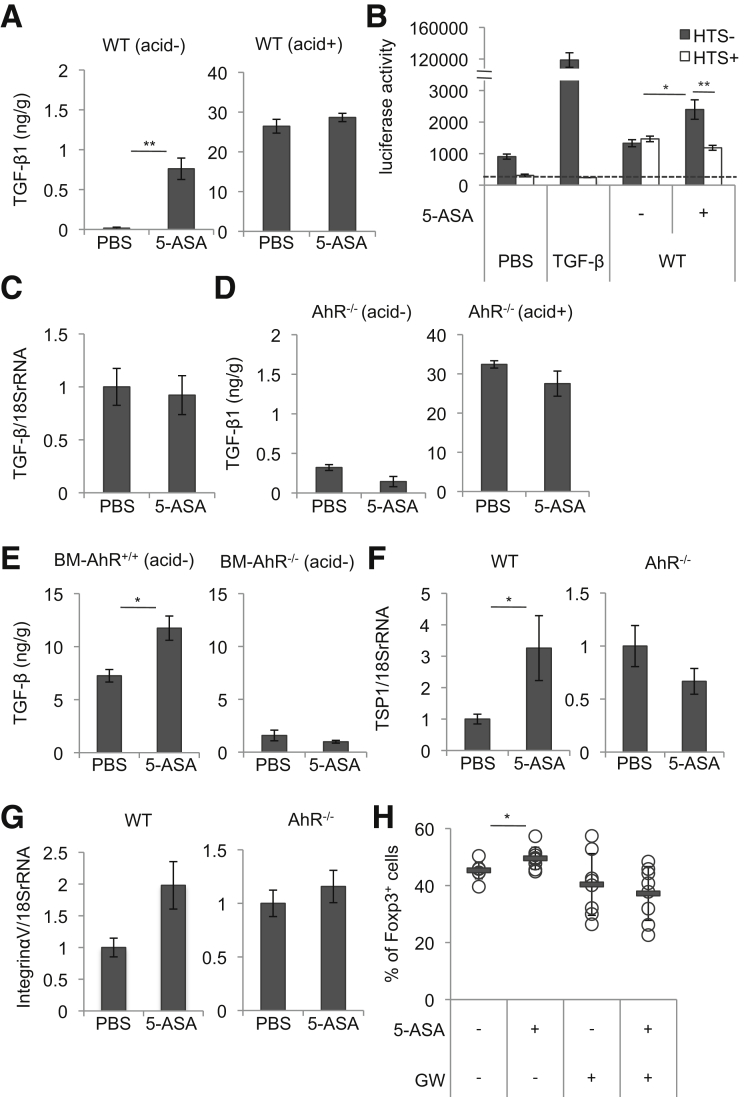
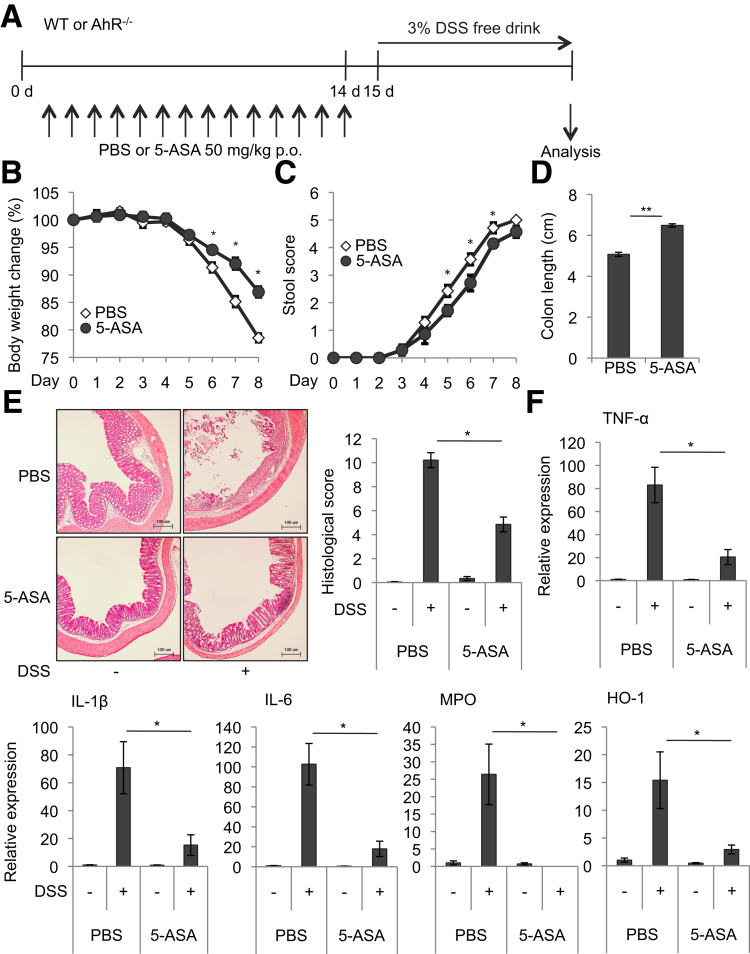
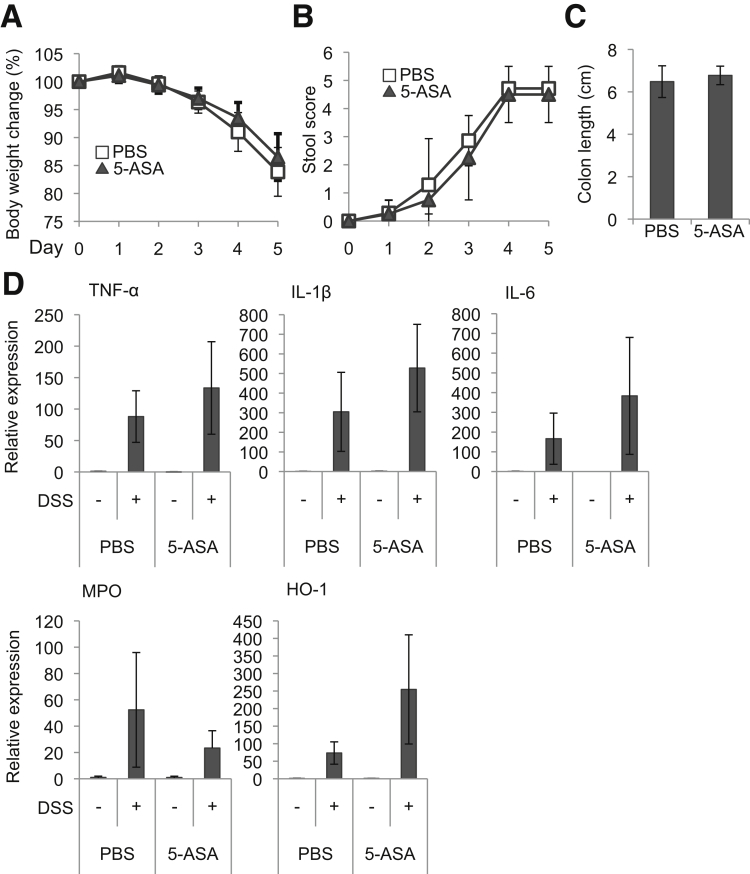
Treatment of wild-type mice with mesalamine increased the accumulation of Tregs in the colon and up-regulated the AhR target gene , but this effect was not observed in or BM- mice. In addition, mesalamine promoted differentiation of naive T cells to Tregs, concomitant with AhR activation. Mice treated with mesalamine exhibited increased levels of the active form of TGF-β in the colon in an AhR-dependent manner and blockade of TGF-β signaling suppressed induction of Tregs by mesalamine in the colon. Furthermore, mice pretreated with mesalamine acquired resistance to dextran sodium sulfate-induced colitis.
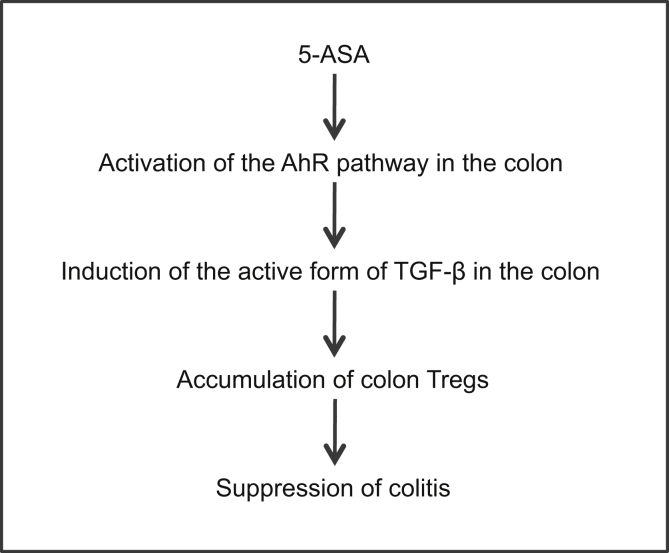
We propose a novel anti-inflammatory mechanism of mesalamine for colitis: induction of Tregs in the colon via the AhR pathway, followed by TGF-β activation.
美沙拉嗪是治疗炎症性肠病(IBD)的一线药物。然而,其作用机制尚未完全明确。CD4 Foxp3调节性T细胞(Tregs)在抑制IBD中发挥潜在作用。本研究旨在确定美沙拉嗪的抗炎活性是否与结肠中Tregs的诱导有关。
我们检测了野生型小鼠、芳烃受体缺陷小鼠( 小鼠)以及造血细胞中缺乏AhR的骨髓嵌合小鼠(BM- 小鼠)口服美沙拉嗪后结肠中Tregs的频率。我们还检测了美沙拉嗪对结肠中转化生长因子(TGF)-β表达的影响。
用美沙拉嗪治疗野生型小鼠可增加结肠中Tregs的积累并上调AhR靶基因 ,但在 或BM- 小鼠中未观察到这种效应。此外,美沙拉嗪促进幼稚T细胞向Tregs分化,同时伴有AhR激活。用美沙拉嗪治疗的小鼠结肠中活性形式的TGF-β水平以AhR依赖的方式升高,并且TGF-β信号通路的阻断抑制了美沙拉嗪在结肠中诱导Tregs。此外,用美沙拉嗪预处理的小鼠对葡聚糖硫酸钠诱导的结肠炎获得了抗性。
我们提出了一种美沙拉嗪治疗结肠炎的新抗炎机制:通过AhR途径在结肠中诱导Tregs,随后激活TGF-β。