Schipper David A, Louis Anthony V, Dicken Destiny S, Johnson Kitsie, Smolenski Ryszard T, Black Stephen M, Runyan Ray, Konhilas John, Garcia Joe G N, Khalpey Zain
1 University of Arizona College of Medicine, Department of Surgery, Division of Cardiothoracic Surgery, Tucson, AZ, USA.
2 Division of Experimental Cardiology, Department of Cardiology, Thoraxcenter, Erasmus University Medical Center, Rotterdam, The Netherlands.
Pulm Circ. 2017 Apr-Jun;7(2):494-504. doi: 10.1177/2045893217706065. Epub 2017 May 24.
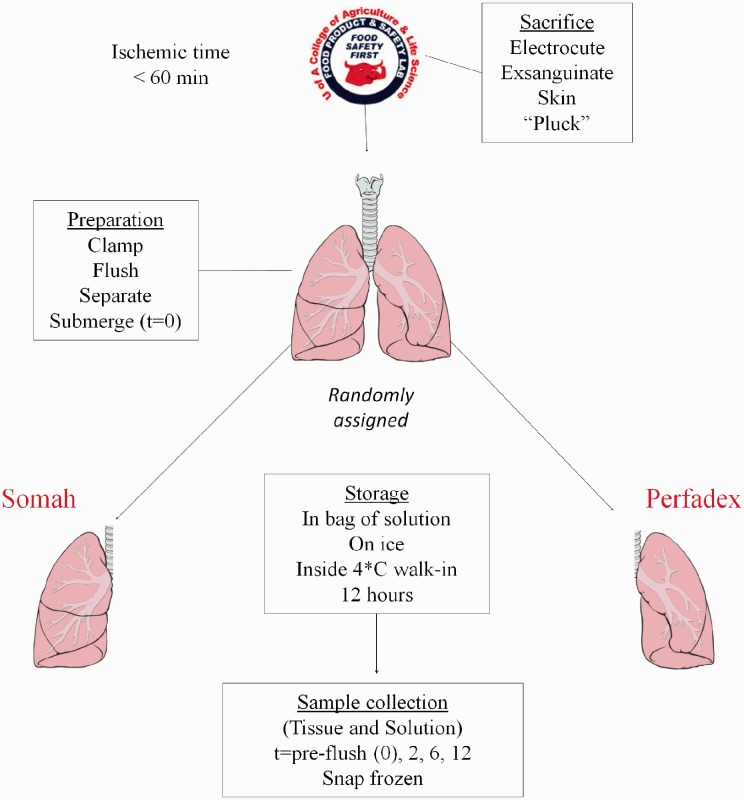
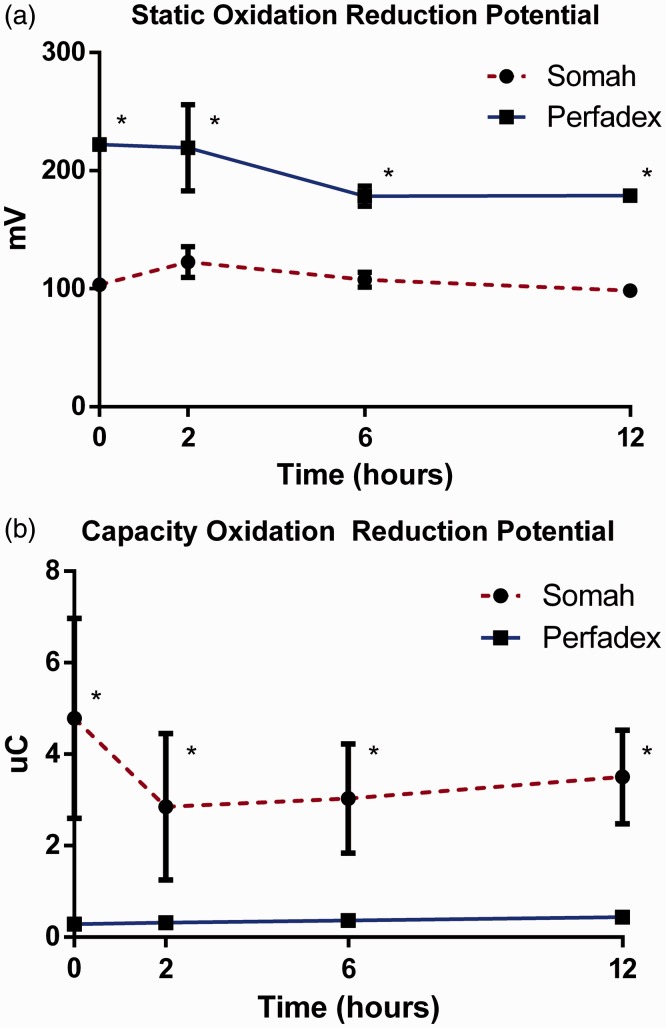
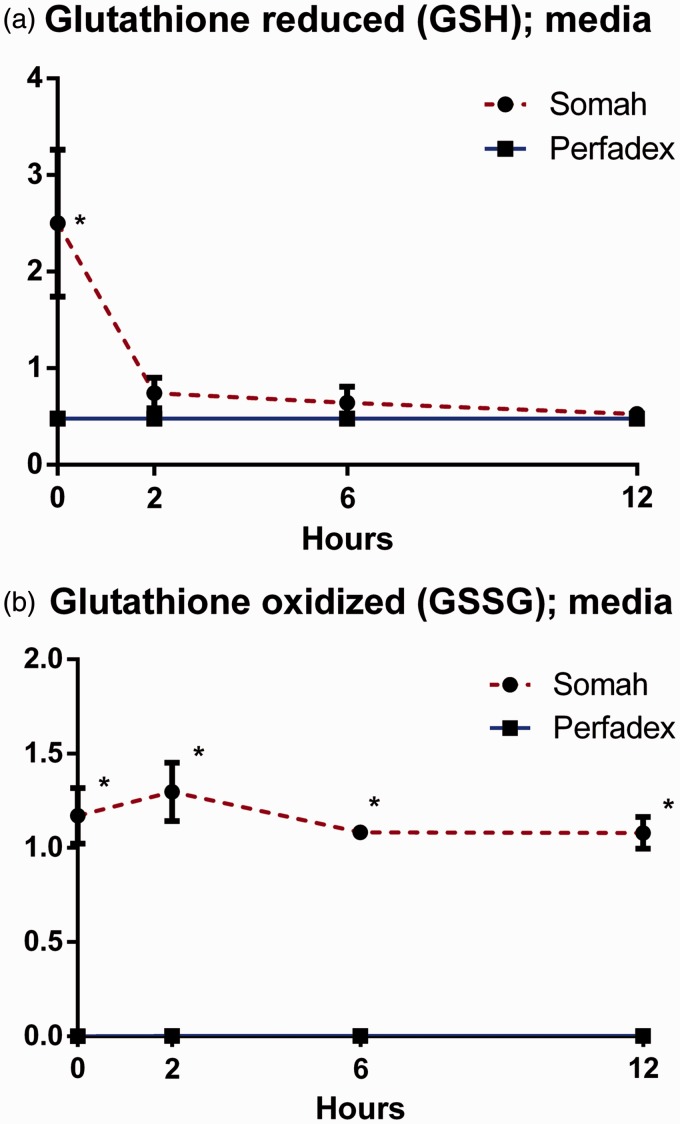
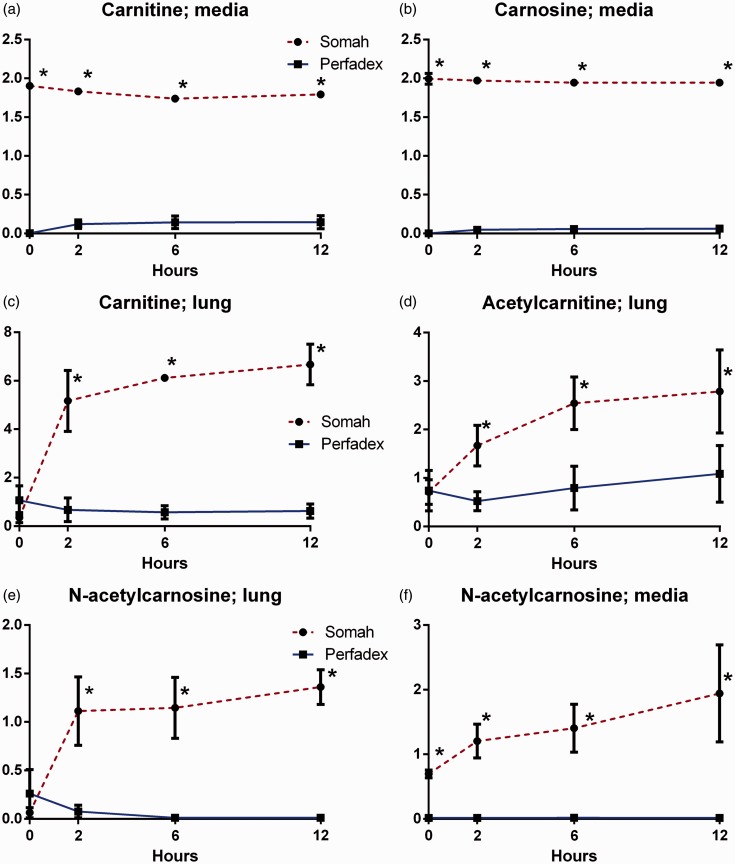
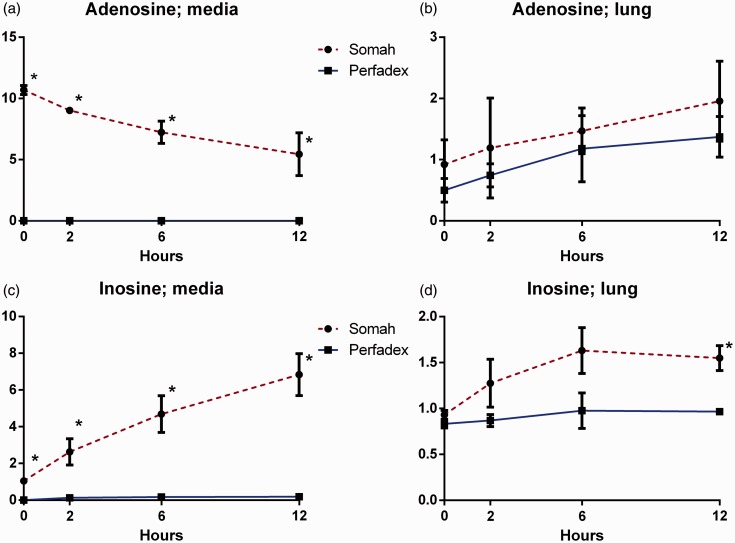
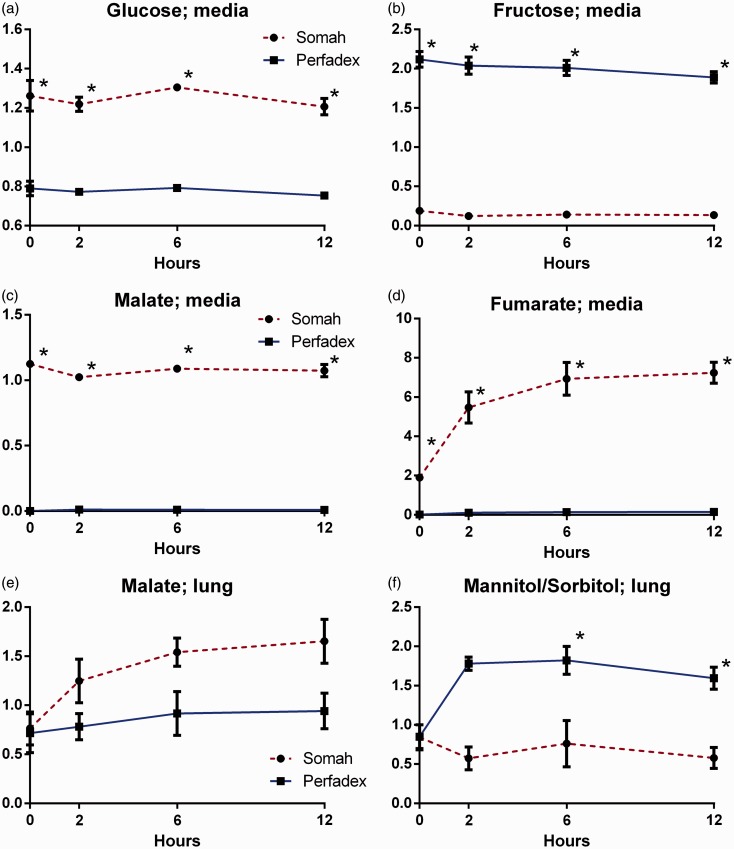
Lungs donated after cardiac death (DCD) are an underutilized resource for a dwindling donor lung transplant pool. Our study investigates the potential of a novel preservation solution, Somah, to better preserve statically stored DCD lungs, for an extended time period, when compared to low-potassium dextran solution (LPD). We hypothesize that Somah is a metabolically superior organ preservation solution for hypothermic statically stored porcine DCD lungs, possibly improving lung transplant outcomes. Porcine DCD lungs (n = 3 per group) were flushed with and submerged in cold preservation solution. The lungs were stored up to 12 h, and samples were taken from lung tissue and the preservation medium throughout. Metabolomic and redox potential were analyzed using high performance liquid chromatography, mass spectrometry, and RedoxSYS®, comparing substrate and pathway utilization in both preservation solutions. Glutathione reduction was seen in Somah but not in LPD during preservation. Carnitine, carnosine, and n-acetylcarnosine levels were elevated in the Somah medium compared with LPD throughout. Biopsies of Somah exposed lungs demonstrated similar trends after 2 h, up to 12 h. Adenosine gradually decreased in Somah medium over 12 h, but not in LPD. An inversely proportional increase in inosine was found in Somah. Higher oxidative stress levels were measured in LPD. Our study suggests suboptimal metabolic preservation in lungs stored in LPD. LPD had poor antioxidant potential, cytoprotection, and an insufficient redox potential. These findings may have immediate clinical implications for human organs; however, further investigation is needed to evaluate DCD lung preservation in Somah as a viable option for transplant.
心脏死亡后捐赠的肺脏(DCD)是日益减少的供体肺移植库中未得到充分利用的资源。我们的研究调查了一种新型保存液Somah相较于低钾右旋糖酐溶液(LPD),在延长时间段内更好地保存静态存储的DCD肺脏的潜力。我们假设Somah是用于低温静态存储的猪DCD肺脏的代谢更优的器官保存液,可能会改善肺移植结果。将猪DCD肺脏(每组n = 3)用冷保存液冲洗并浸泡。肺脏保存长达12小时,在此期间从肺组织和保存介质中取样。使用高效液相色谱、质谱和RedoxSYS®分析代谢组学和氧化还原电位,比较两种保存液中底物和途径的利用情况。在保存过程中,Somah组出现了谷胱甘肽还原现象,而LPD组未出现。与LPD相比,Somah培养基中肉碱、肌肽和N - 乙酰肌肽水平在整个过程中均升高。在2小时至12小时期间,暴露于Somah的肺脏活检显示出类似趋势。在Somah培养基中,腺苷在12小时内逐渐减少,但在LPD中未减少。在Somah中发现肌苷呈反比增加。在LPD中测得更高的氧化应激水平。我们的研究表明,LPD保存的肺脏存在代谢保存欠佳的情况。LPD的抗氧化潜力、细胞保护作用和氧化还原电位不足。这些发现可能对人体器官具有直接的临床意义;然而,需要进一步研究以评估将Somah用于DCD肺脏保存作为一种可行的移植选择。