Vijayan Madhuvanthi, Xia Chuan, Song Yul Eum, Ngo Hanh, Studstill Caleb J, Drews Kelly, Fox Todd E, Johnson Marc C, Hiscott John, Kester Mark, Alexander Stephen, Hahm Bumsuk
Department of Surgery, University of Missouri, Columbia, MO 65212.
Department of Molecular Microbiology and Immunology, University of Missouri, Columbia, MO 65212.
J Immunol. 2017 Jul 15;199(2):677-687. doi: 10.4049/jimmunol.1601959. Epub 2017 Jun 9.
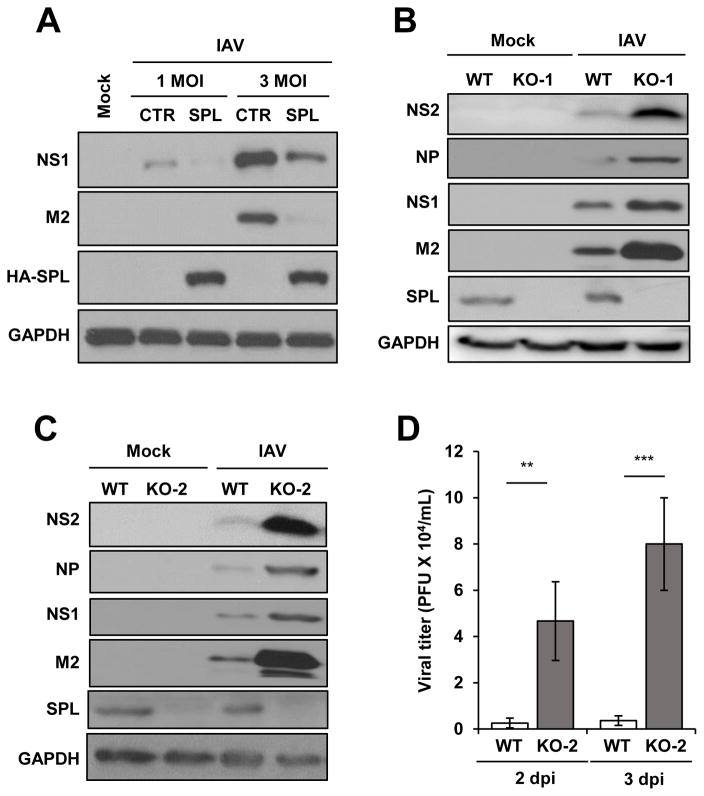
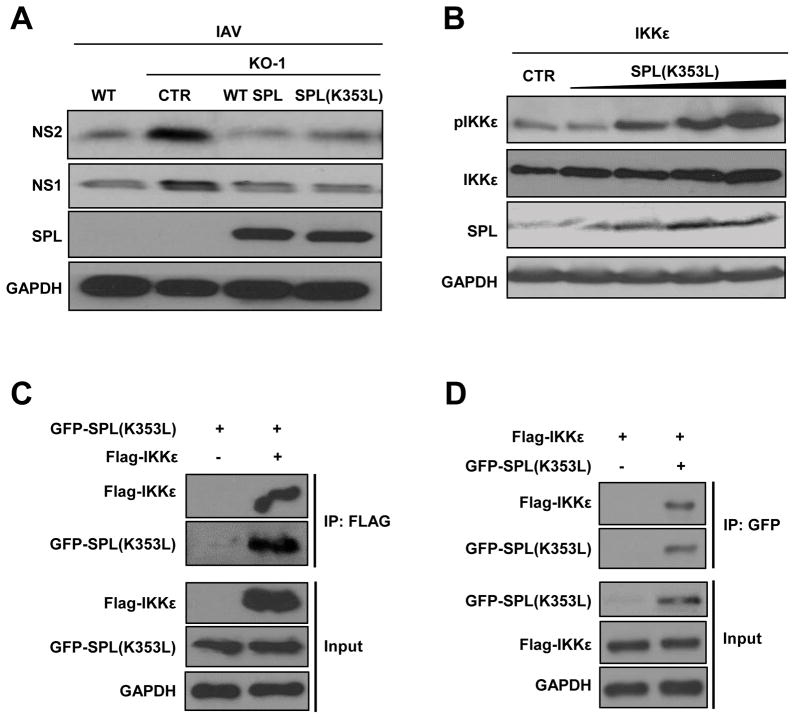
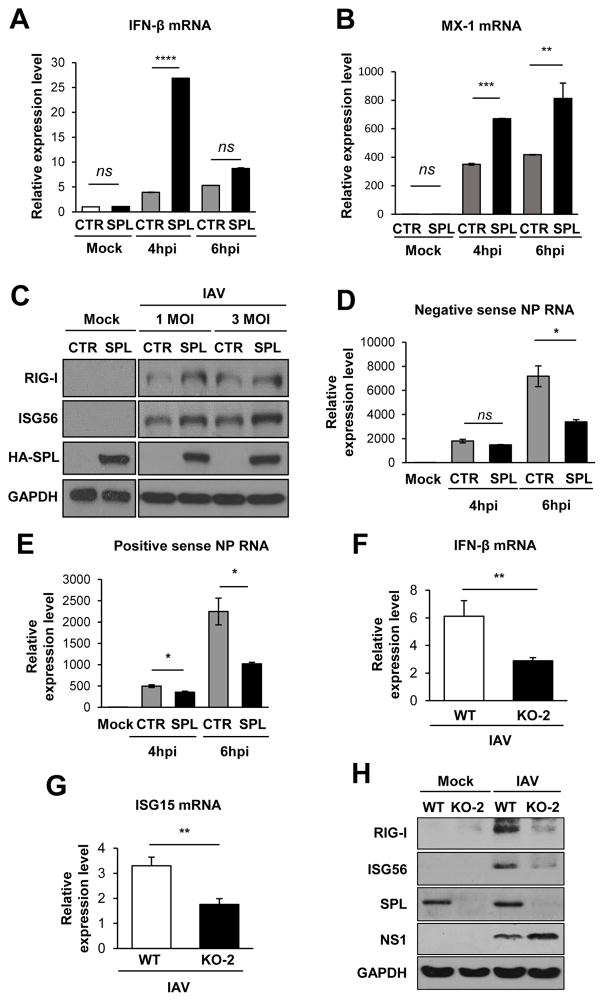
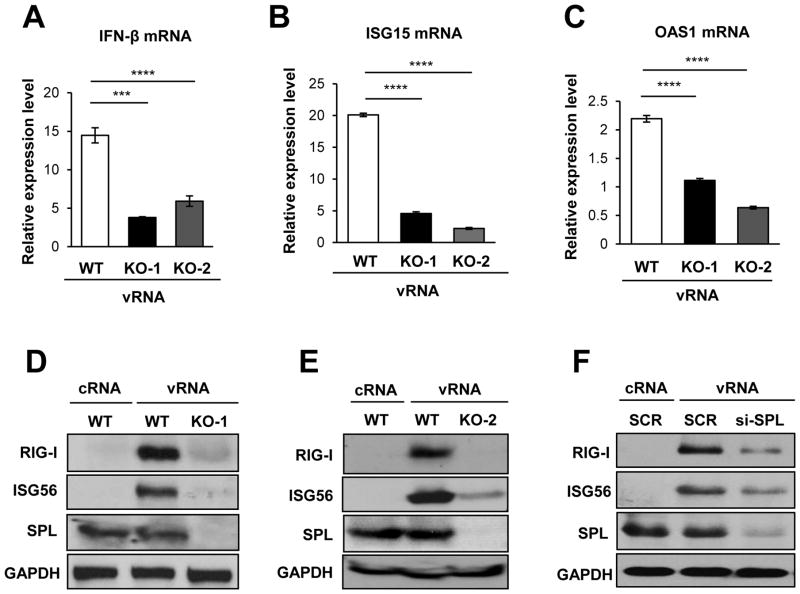
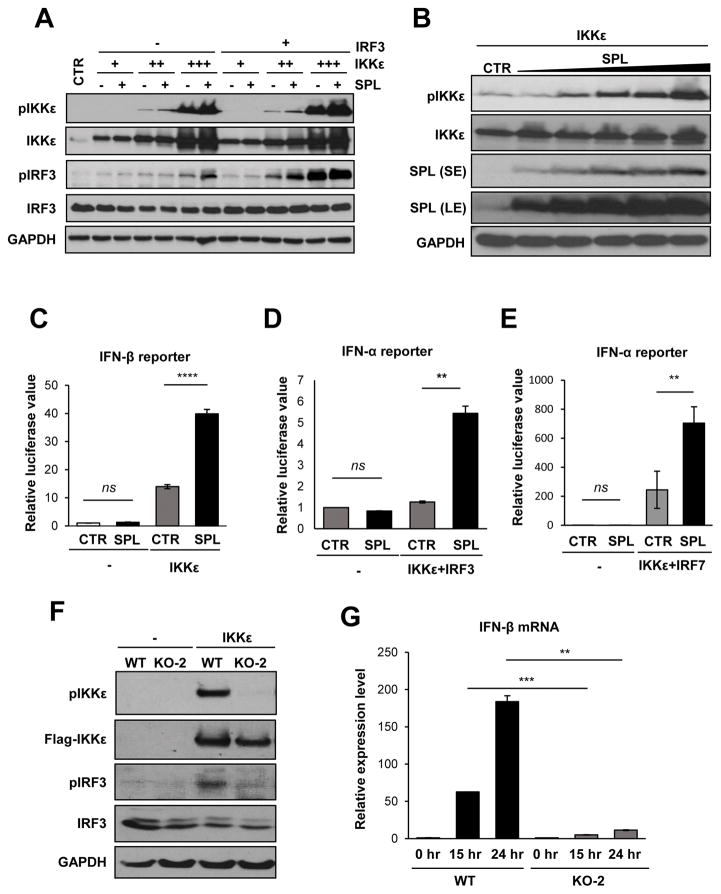
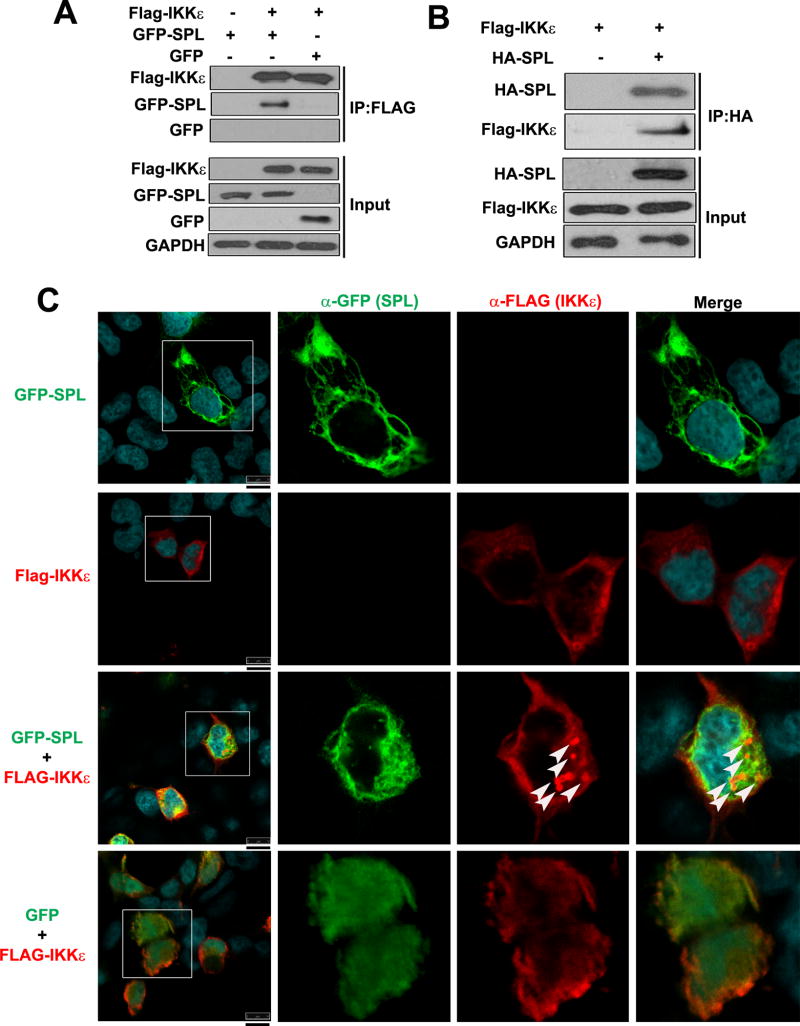
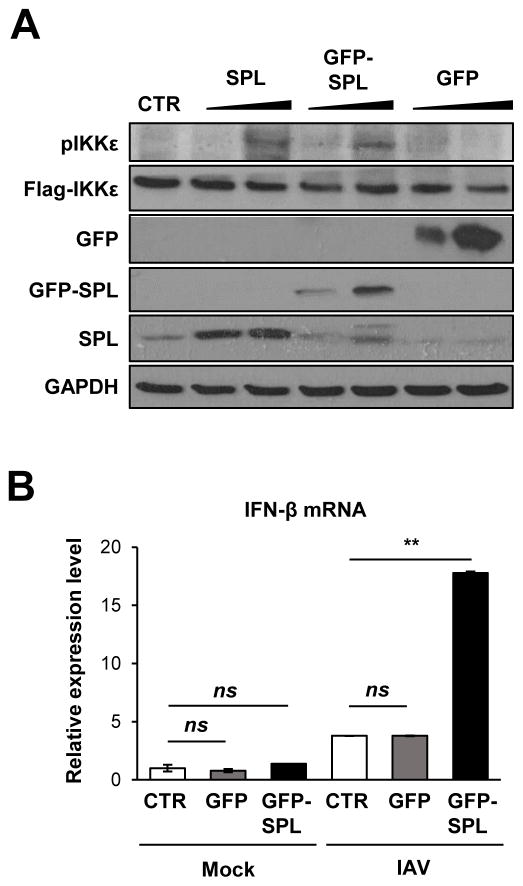
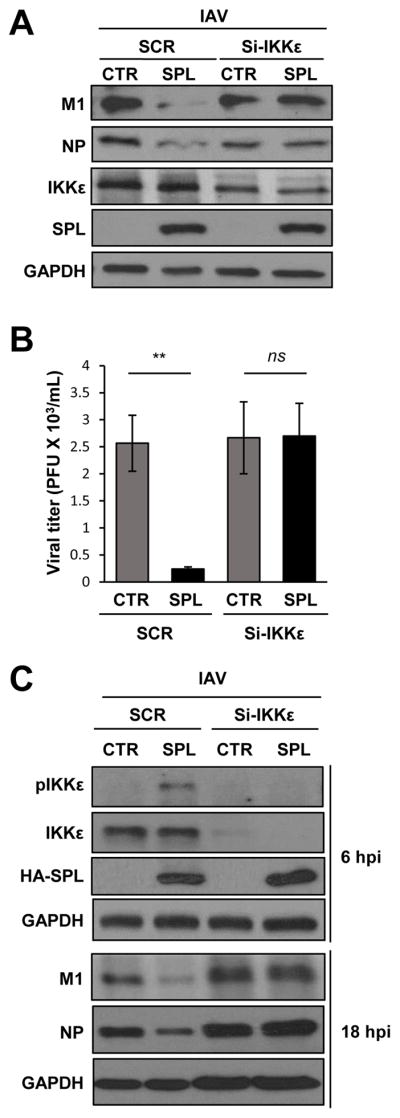
Sphingosine 1-phosphate (S1P) lyase (SPL) is an intracellular enzyme that mediates the irreversible degradation of the bioactive lipid S1P. We have previously reported that overexpressed SPL displays anti-influenza viral activity; however, the underlying mechanism is incompletely understood. In this study, we demonstrate that SPL functions as a positive regulator of IKKε to propel type I IFN-mediated innate immune responses against viral infection. Exogenous SPL expression inhibited influenza A virus replication, which correlated with an increase in type I IFN production and IFN-stimulated gene accumulation upon infection. In contrast, the lack of SPL expression led to an elevated cellular susceptibility to influenza A virus infection. In support of this, SPL-deficient cells were defective in mounting an effective IFN response when stimulated by influenza viral RNAs. SPL augmented the activation status of IKKε and enhanced the kinase-induced phosphorylation of IRF3 and the synthesis of type I IFNs. However, the S1P degradation-incompetent form of SPL also enhanced IFN responses, suggesting that SPL's pro-IFN function is independent of S1P. Biochemical analyses revealed that SPL, as well as the mutant form of SPL, interacts with IKKε. Importantly, when endogenous IKKε was downregulated using a small interfering RNA approach, SPL's anti-influenza viral activity was markedly suppressed. This indicates that IKKε is crucial for SPL-mediated inhibition of influenza virus replication. Thus, the results illustrate the functional significance of the SPL-IKKε-IFN axis during host innate immunity against viral infection.
鞘氨醇-1-磷酸(S1P)裂解酶(SPL)是一种细胞内酶,介导生物活性脂质S1P的不可逆降解。我们之前报道过,过表达的SPL具有抗流感病毒活性;然而,其潜在机制尚未完全明确。在本研究中,我们证明SPL作为IKKε的正向调节因子,推动I型干扰素介导的针对病毒感染的先天性免疫反应。外源性SPL表达抑制甲型流感病毒复制,这与感染后I型干扰素产生增加和干扰素刺激基因积累相关。相反,缺乏SPL表达导致细胞对甲型流感病毒感染的易感性增加。与此相符的是,SPL缺陷细胞在受到流感病毒RNA刺激时,在产生有效的干扰素反应方面存在缺陷。SPL增强了IKKε的激活状态,并增强了激酶诱导的IRF3磷酸化和I型干扰素的合成。然而,SPL的S1P降解无功能形式也增强了干扰素反应,这表明SPL的促干扰素功能独立于S1P。生化分析表明,SPL以及SPL的突变形式与IKKε相互作用。重要的是,当使用小干扰RNA方法下调内源性IKKε时,SPL的抗流感病毒活性明显受到抑制。这表明IKKε对于SPL介导的抑制流感病毒复制至关重要。因此,这些结果说明了SPL-IKKε-干扰素轴在宿主针对病毒感染的先天性免疫中的功能意义。