Laboratory for Advanced Environmental Engineering Research, School of Civil Engineering, The University of Sydney, Bld. J05, 2006, Sydney, NSW, Australia.
Sci Rep. 2017 Jun 12;7(1):3320. doi: 10.1038/s41598-017-03479-1.
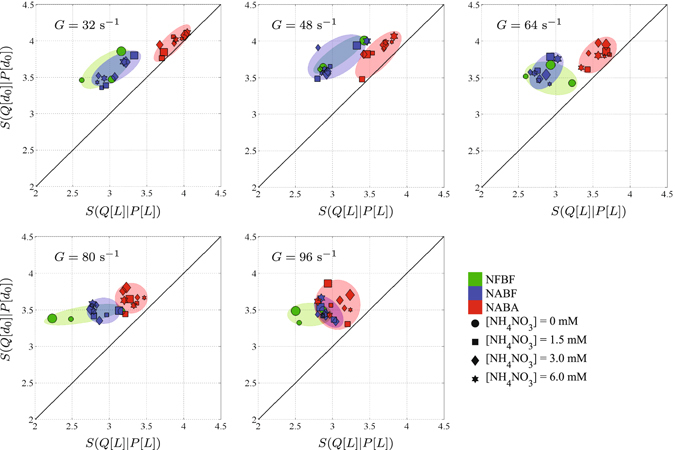
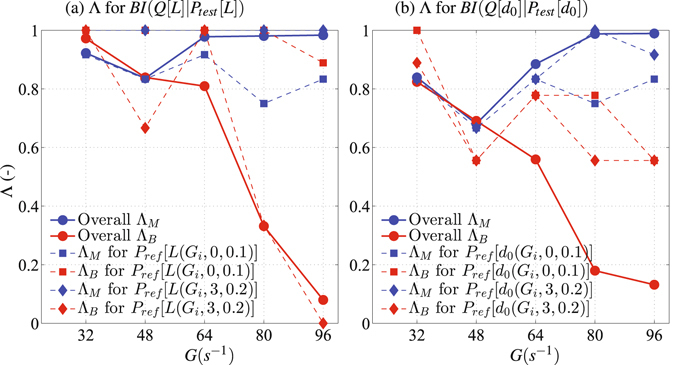
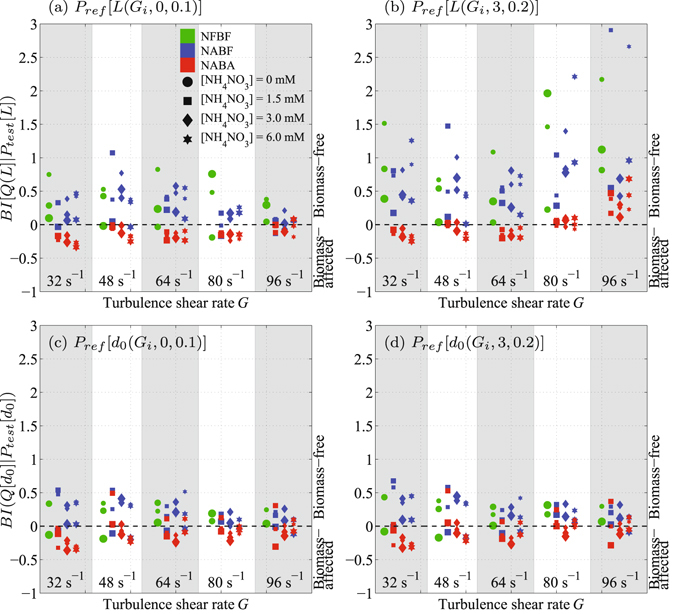
The detection of microbial colonization in geophysical systems is becoming of interest in various disciplines of Earth and planetary sciences, including microbial ecology, biogeochemistry, geomicrobiology, and astrobiology. Microorganisms are often observed to colonize mineral surfaces, modify the reactivity of minerals either through the attachment of their own biomass or the glueing of mineral particles with their mucilaginous metabolites, and alter both the physical and chemical components of a geophysical system. Here, we hypothesise that microorganisms engineer their habitat, causing a substantial change to the information content embedded in geophysical measures (e.g., particle size and space-filling capacity). After proving this hypothesis, we introduce and test a systematic method that exploits this change in information content to detect microbial colonization in geophysical systems. Effectiveness and robustness of this method are tested using a mineral sediment suspension as a model geophysical system; tests are carried out against 105 experiments conducted with different suspension types (i.e., pure mineral and microbially-colonized) subject to different abiotic conditions, including various nutrient and mineral concentrations, and different background entropy production rates. Results reveal that this method can systematically detect microbial colonization with less than 10% error in geophysical systems with low-entropy background production rate.
微生物在地球和行星科学的各个领域(包括微生物生态学、生物地球化学、地质微生物学和天体生物学)中的地球物理系统定殖的检测正变得越来越重要。微生物经常被观察到在矿物表面定殖,通过其自身生物量的附着或通过其粘滑代谢物将矿物颗粒粘在一起,改变矿物的反应性,并改变地球物理系统的物理和化学成分。在这里,我们假设微生物设计了它们的栖息地,导致地球物理测量中嵌入的信息量发生了实质性变化(例如,粒径和空间填充能力)。在证明了这一假设之后,我们引入并测试了一种系统的方法,利用这种信息量的变化来检测地球物理系统中的微生物定殖。该方法的有效性和稳健性使用矿物沉积物悬浮液作为模型地球物理系统进行了测试;针对不同悬浮液类型(即纯矿物和微生物定殖)进行了 105 次实验,这些实验在不同的非生物条件下进行,包括不同的营养物和矿物质浓度以及不同的背景熵产生率。结果表明,该方法可以在背景熵产生率较低的地球物理系统中以低于 10%的错误率系统地检测微生物定殖。