Berry J S, Vreeland T J, Hale D F, Jackson D O, Trappey A F, Greene J M, Hardin M O, Herbert G S, Clifton G T, Peoples G E
Department of Surgery, Division of Colon and Rectal Surgery, Washington University, St. Louis, MO.
Department of Surgery, Womack Army Medical Center, Fort Bragg, NC.
J Cancer. 2017 May 11;8(7):1255-1262. doi: 10.7150/jca.16450. eCollection 2017.
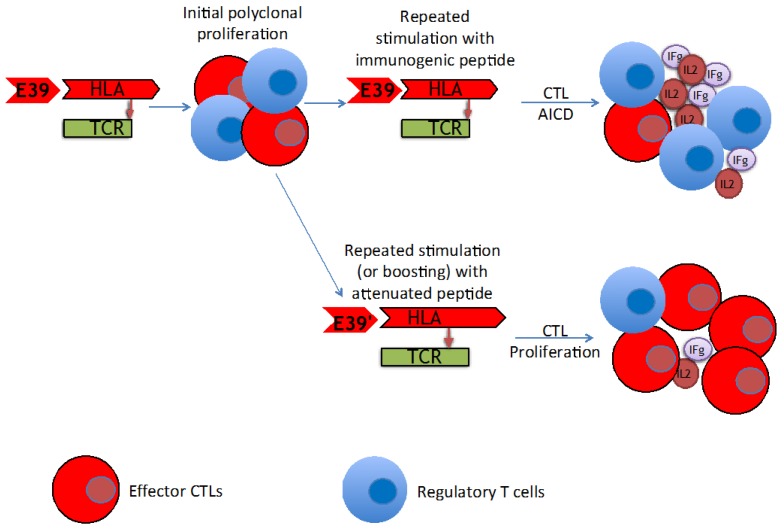
Peptide vaccines offer anti-tumor efficacy with very low toxicity. However, repeat stimulation with an immunogenic peptide leads to activation induced cell death (AICD), decreasing efficacy. We engineered variants of an immunogenic peptide (E39) and tested their ability to induce a robust, sustainable immune response.
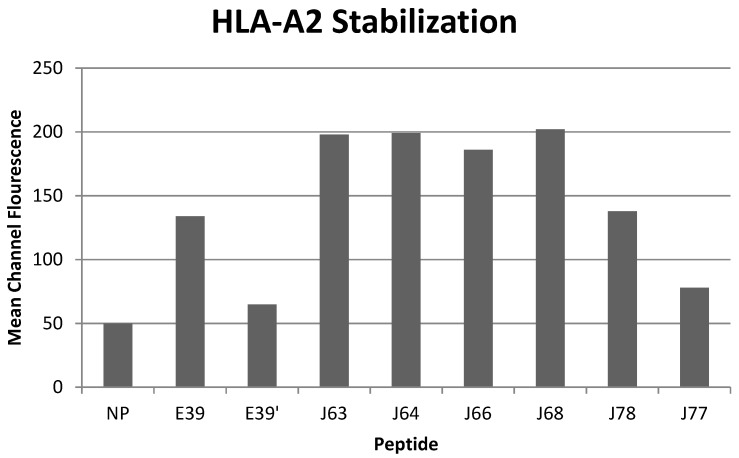
Multiple variants of E39 were created by exchanging 1 or 2 amino acids. We tested the PBMC proliferation, cytokine production and cytolytic activity induced by each variant peptide.
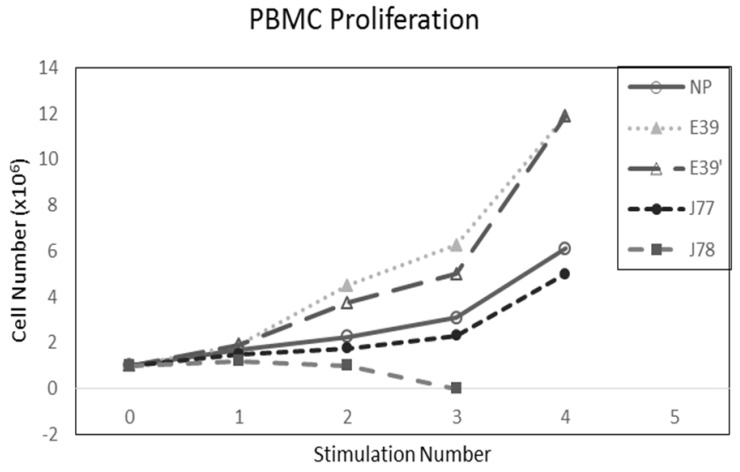
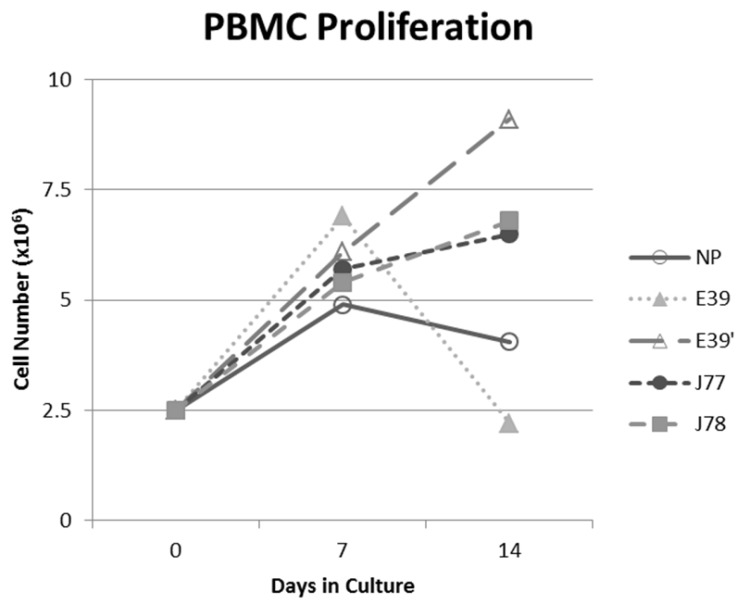
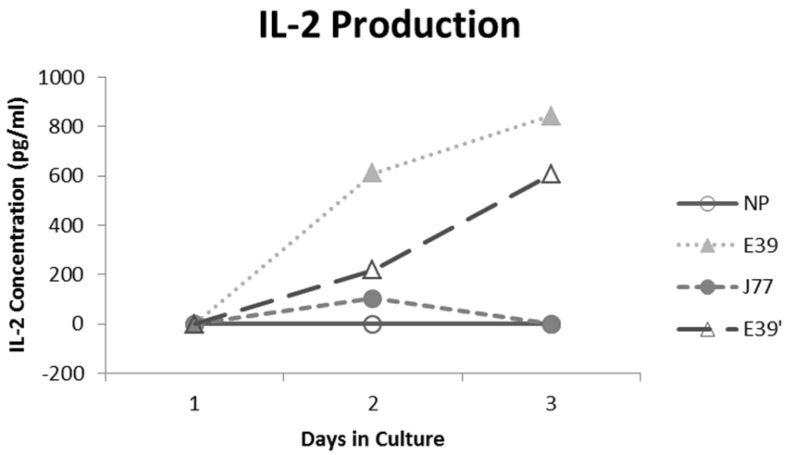
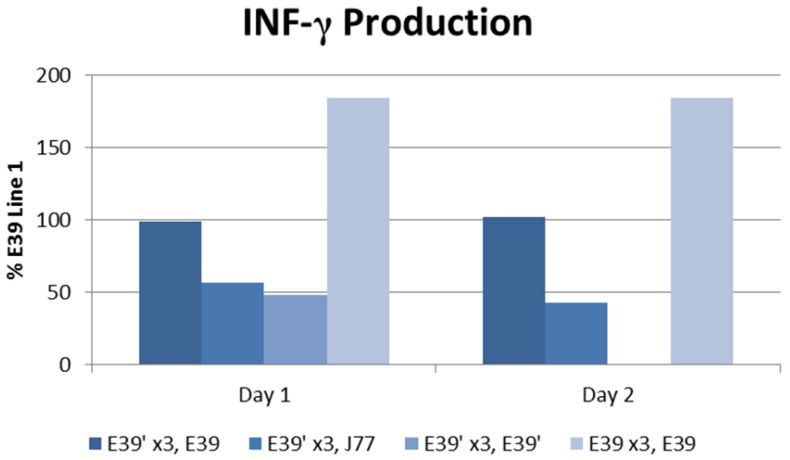
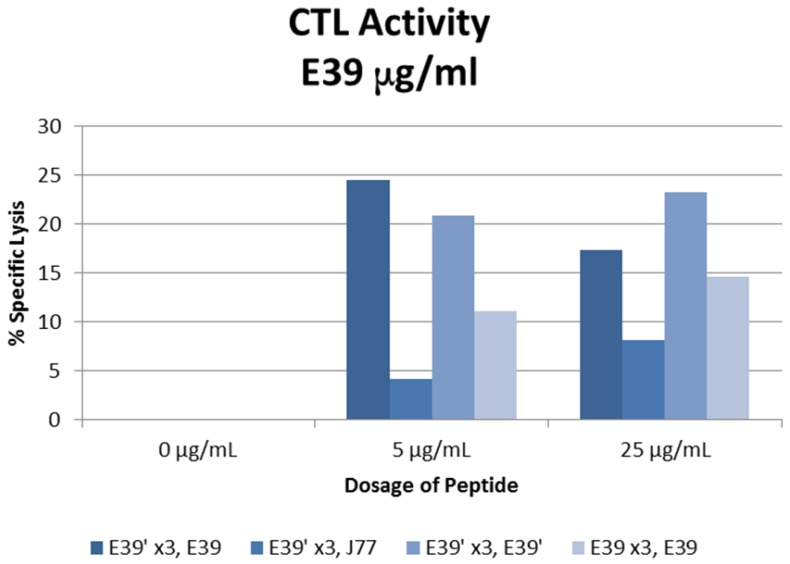
Repeated stimulation with E39 likely led to AICD, while stimulation with E39' led to T-cell proliferation with less evidence of AICD, modest cytokine production and high CTL activity.
E39' appears to be the optimal variant of E39 for inducing effective long-term immunity.
肽疫苗具有极低的毒性且具备抗肿瘤功效。然而,用免疫原性肽进行重复刺激会导致激活诱导的细胞死亡(AICD),从而降低疗效。我们设计了一种免疫原性肽(E39)的变体,并测试了它们诱导强烈、可持续免疫反应的能力。
通过交换1个或2个氨基酸创建了E39的多个变体。我们测试了每种变体肽诱导的外周血单核细胞增殖、细胞因子产生和细胞溶解活性。
用E39进行重复刺激可能导致AICD,而用E39'进行刺激则导致T细胞增殖,AICD证据较少,细胞因子产生适度且细胞毒性T淋巴细胞(CTL)活性高。
E39'似乎是E39诱导有效长期免疫的最佳变体。