Alehagen Urban, Johansson Peter, Aaseth Jan, Alexander Jan, Brismar Kerstin
Division of Cardiovascular Medicine, Department of Medical and Health Sciences, Linköping University, Linköping, Sweden.
Department of Social and Welfare Studies, Linköping University, Norrköping, Sweden.
PLoS One. 2017 Jun 13;12(6):e0178614. doi: 10.1371/journal.pone.0178614. eCollection 2017.
Insulin-like growth factor-1(IGF-1) has a multitude of effects besides cell growth and metabolism. Reports also indicate anti-inflammatory and antioxidative effects. The concentrations of IGF-1 decrease with age and during inflammation. As selenium and coenzyme Q10 are involved in both the antioxidative defense and the inflammatory response, the present study aimed to examine the effects of supplementation with selenium and coenzyme Q10 on concentrations of IGF-1 and its binding protein IGFBP-1 in a population showing reduced cardiovascular mortality following such supplementation.
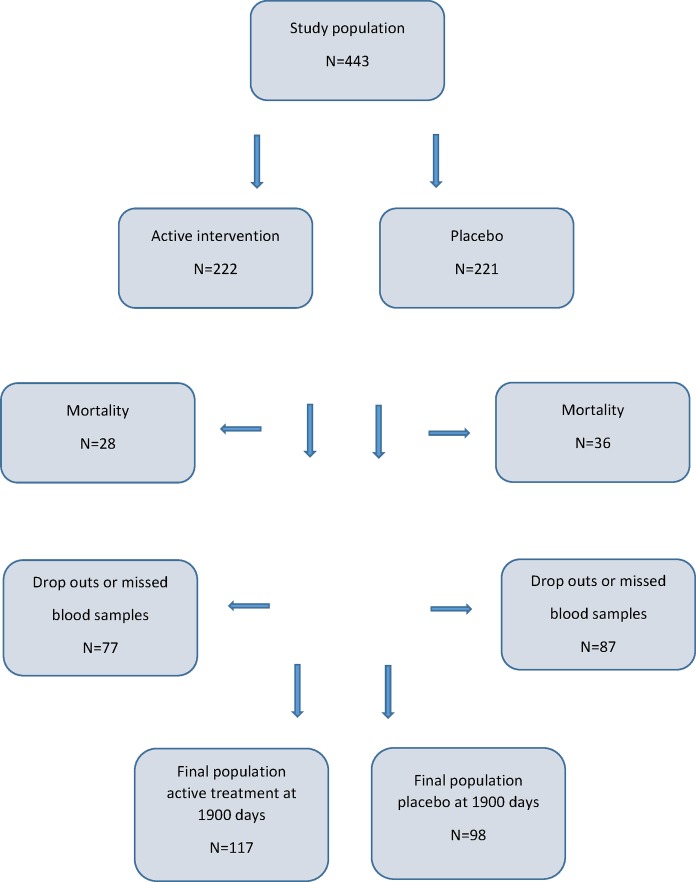
215 elderly individuals were included and given the intervention for four years. A clinical examination was performed and blood samples were taken at the start and after 48 months. Evaluations of IGF-1, the age adjusted IGF-1 SD score and IGFBP-1 were performed using group mean values, and repeated measures of variance.
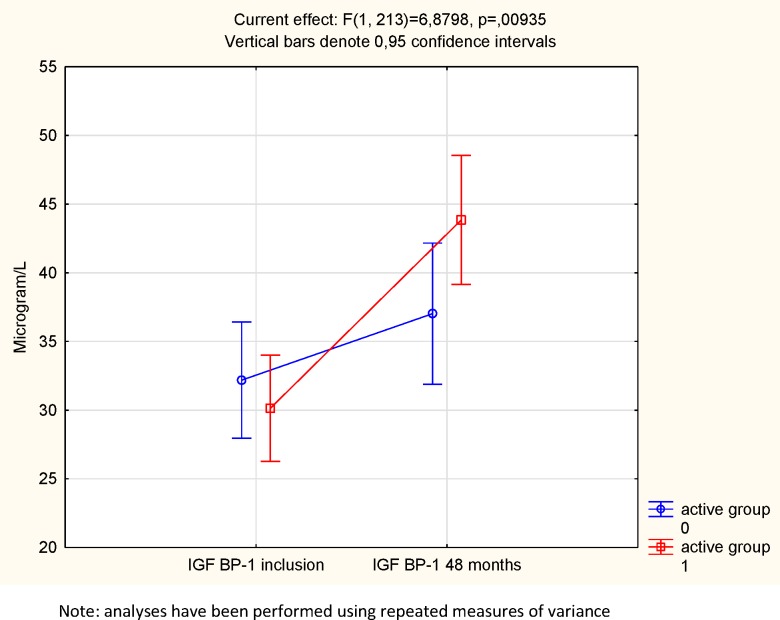
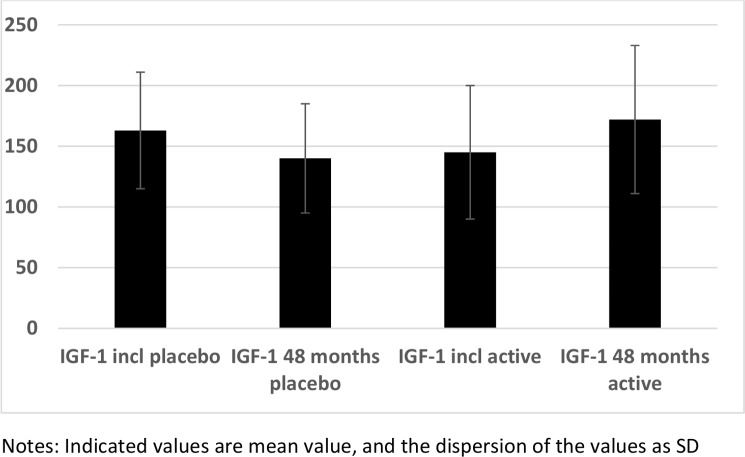
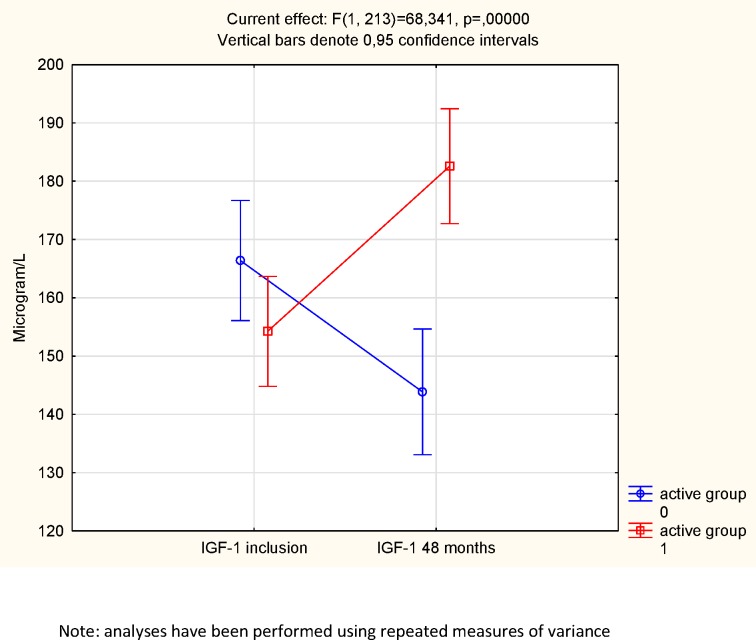
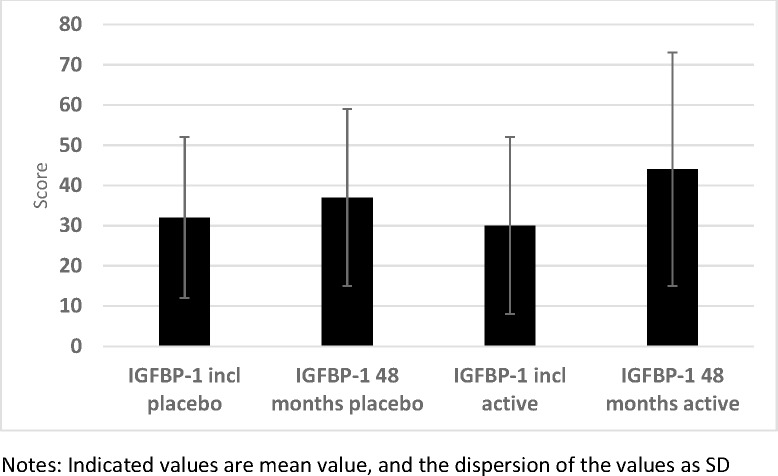
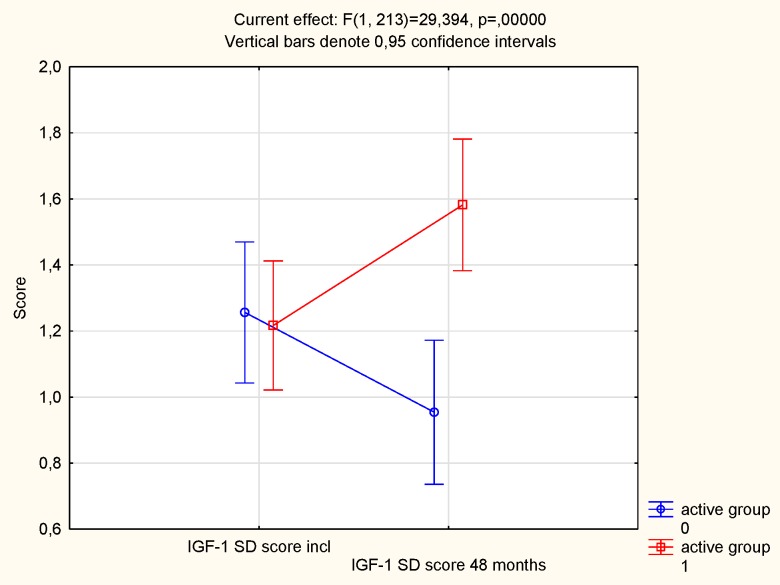
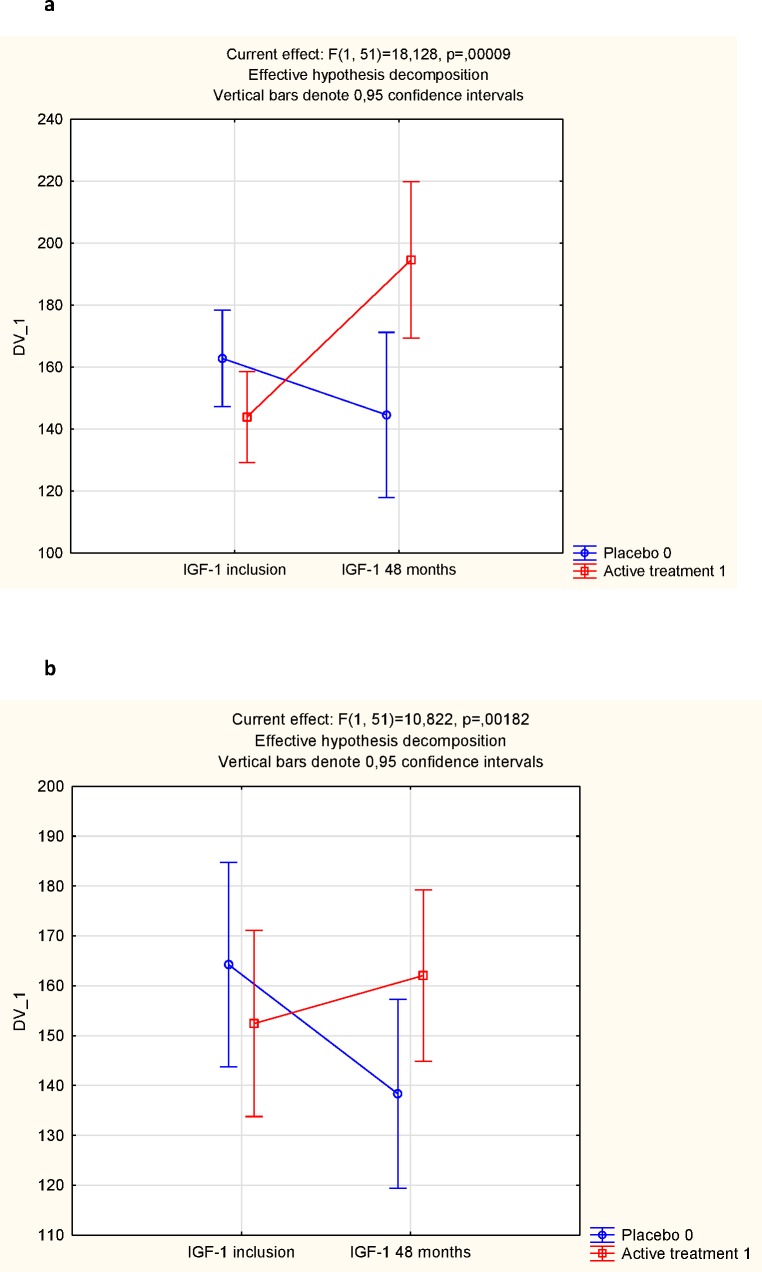
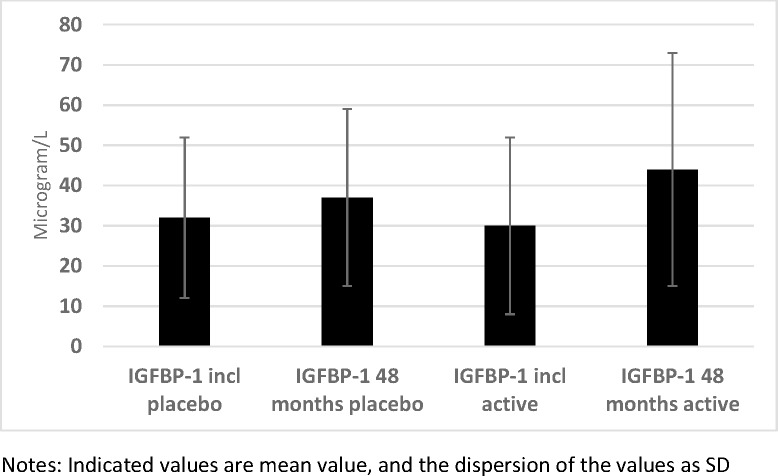
After supplementation with selenium and coenzyme Q10, applying group mean evaluations, significantly higher IGF-1 and IGF-1 SD scores could be seen in the active treatment group, whereas a decrease in concentration could be seen of the same biomarkers in the placebo group. Applying the repeated measures of variance evaluations, the same significant increase in concentrations of IGF-1 (F = 68; P>0.0001), IGF-1 SD score (F = 29; P<0.0001) and of IGFBP-1 (F = 6.88; P = 0.009) could be seen, indicating the effect of selenium and coenzyme Q10 also on the expression of IGF-1 as one of the mechanistic effects of the intervention.
Supplementation with selenium and coenzyme Q10 over four years resulted in increased levels of IGF-1 and the postprandial IGFBP-1, and an increase in the age-corrected IGF-1 SD score, compared with placebo. The effects could be part of the mechanistic explanation behind the surprisingly positive clinical effects on cardiovascular morbidity and mortality reported earlier. However, as the effects of IGF-1 are complex, more research on the result of intervention with selenium and coenzyme Q10 is needed.
胰岛素样生长因子-1(IGF-1)除了对细胞生长和代谢有多种作用外,报告还表明其具有抗炎和抗氧化作用。IGF-1的浓度会随着年龄增长以及在炎症期间降低。由于硒和辅酶Q10都参与抗氧化防御和炎症反应,本研究旨在探讨补充硒和辅酶Q10对心血管死亡率降低人群中IGF-1及其结合蛋白IGFBP-1浓度的影响。
纳入215名老年人并进行为期四年的干预。在开始时和48个月后进行临床检查并采集血样。使用组均值和重复测量方差对IGF-1、年龄校正后的IGF-1标准差评分和IGFBP-1进行评估。
补充硒和辅酶Q10后,采用组均值评估,活性治疗组中IGF-1和IGF-1标准差评分显著更高,而安慰剂组中相同生物标志物的浓度有所下降。采用重复测量方差评估,可观察到IGF-1浓度(F = 68;P>0.0001)、IGF-1标准差评分(F = 29;P<0.0001)和IGFBP-1(F = 6.88;P = 0.009)有同样显著的增加,表明硒和辅酶Q10对IGF-1表达也有影响,这是干预的机制性作用之一。
与安慰剂相比,四年补充硒和辅酶Q10导致IGF-1和餐后IGFBP-1水平升高,以及年龄校正后的IGF-1标准差评分增加。这些作用可能是早期报道的对心血管发病率和死亡率产生惊人积极临床效果背后机制性解释的一部分。然而,由于IGF-1的作用复杂,需要对硒和辅酶Q10干预结果进行更多研究。