Kozai Mina, Kubo Yuki, Katakai Tomoya, Kondo Hiroyuki, Kiyonari Hiroshi, Schaeuble Karin, Luther Sanjiv A, Ishimaru Naozumi, Ohigashi Izumi, Takahama Yousuke
Division of Experimental Immunology, Institute of Advanced Medical Sciences, University of Tokushima, Tokushima, Japan.
Student Laboratory, School of Medicine, University of Tokushima, Tokushima, Japan.
J Exp Med. 2017 Jul 3;214(7):1925-1935. doi: 10.1084/jem.20161864. Epub 2017 Jun 13.
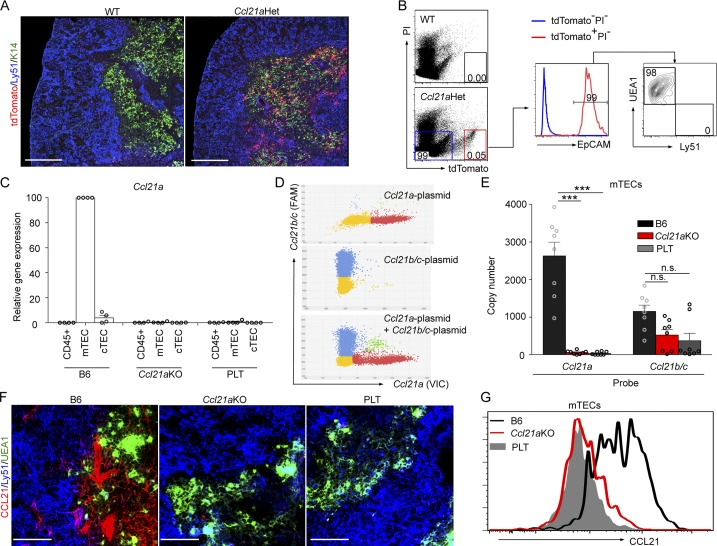
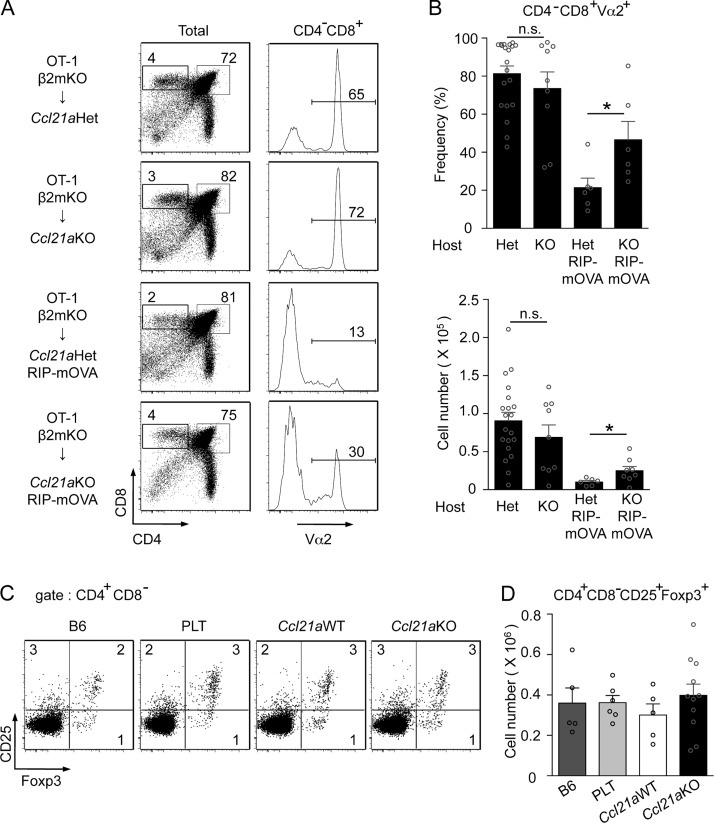
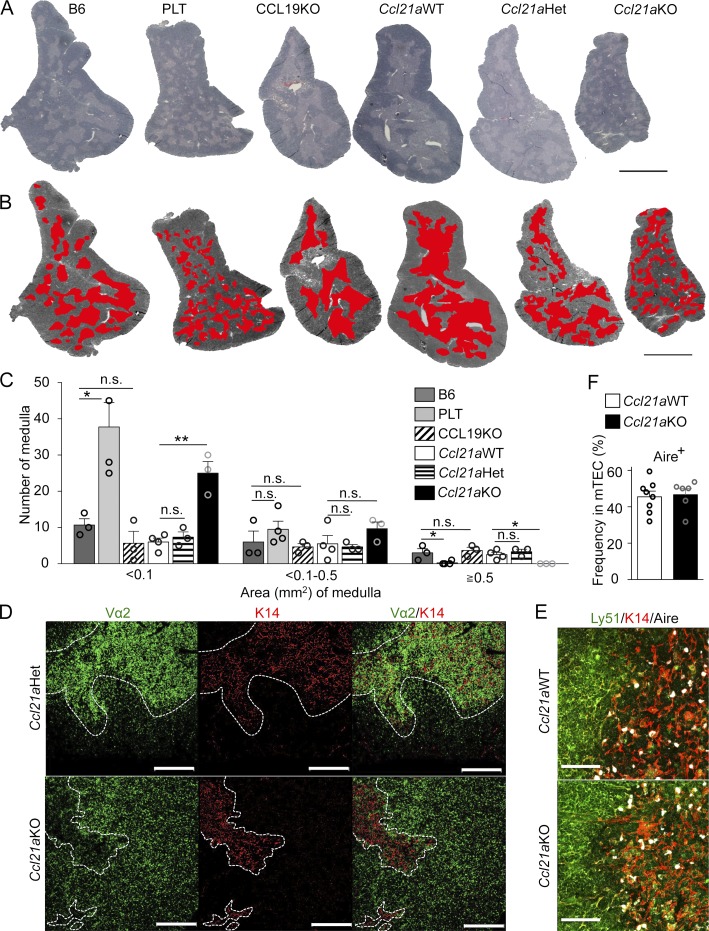
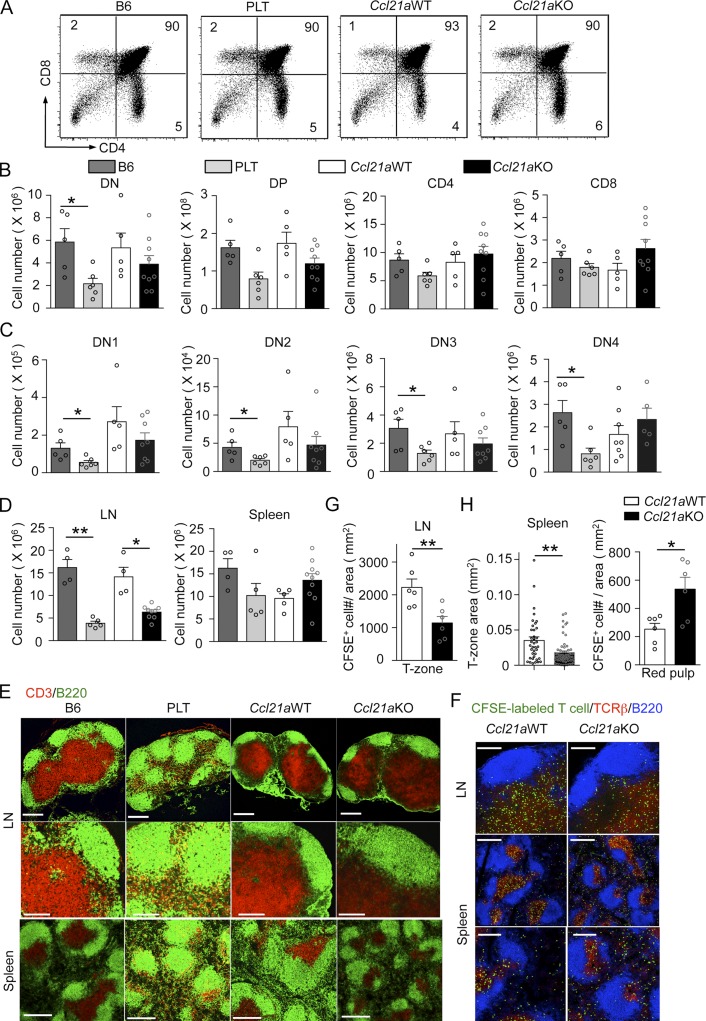
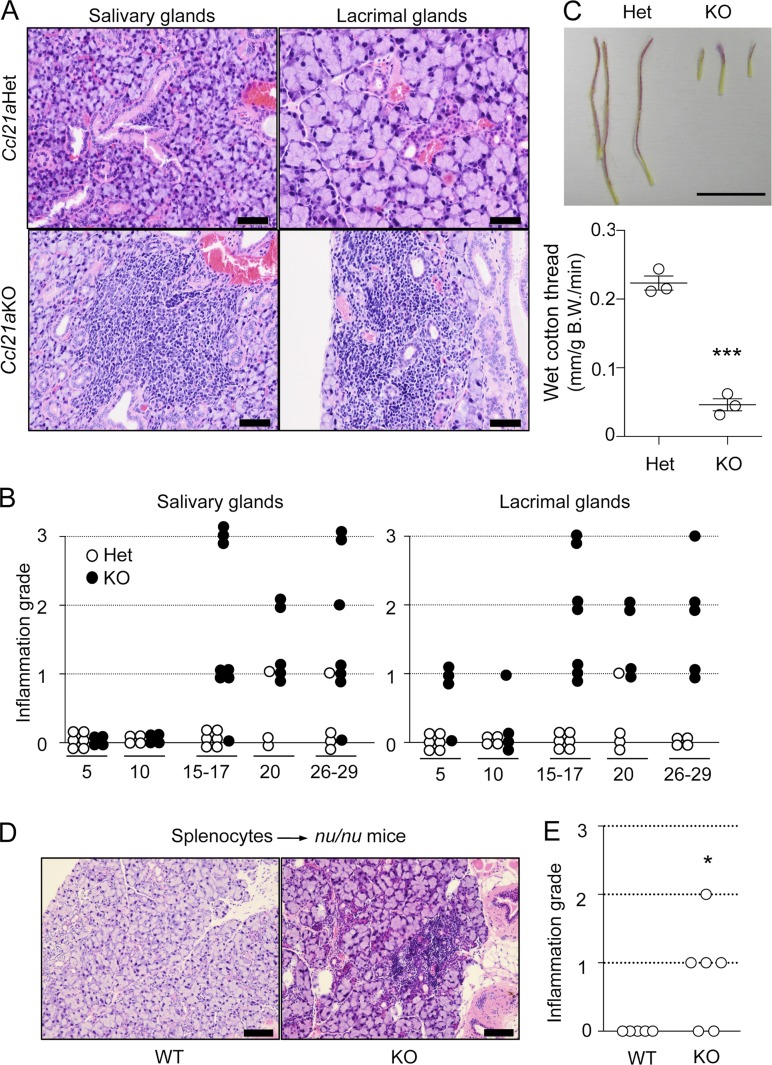
The chemokine receptor CCR7 directs T cell relocation into and within lymphoid organs, including the migration of developing thymocytes into the thymic medulla. However, how three functional CCR7 ligands in mouse, CCL19, CCL21Ser, and CCL21Leu, divide their roles in immune organs is unclear. By producing mice specifically deficient in CCL21Ser, we show that CCL21Ser is essential for the accumulation of positively selected thymocytes in the thymic medulla. CCL21Ser-deficient mice were impaired in the medullary deletion of self-reactive thymocytes and developed autoimmune dacryoadenitis. T cell accumulation in the lymph nodes was also defective. These results indicate a nonredundant role of CCL21Ser in the establishment of self-tolerance in T cells in the thymic medulla, and reveal a functional inequality among CCR7 ligands in vivo.
趋化因子受体CCR7指导T细胞迁移至淋巴器官并在其中移动,包括发育中的胸腺细胞迁移至胸腺髓质。然而,小鼠体内的三种功能性CCR7配体CCL19、CCL21Ser和CCL21Leu在免疫器官中如何分工尚不清楚。通过培育特异性缺乏CCL21Ser的小鼠,我们发现CCL21Ser对于阳性选择的胸腺细胞在胸腺髓质中的聚集至关重要。缺乏CCL21Ser的小鼠在自身反应性胸腺细胞的髓质清除方面存在缺陷,并发展出自身免疫性泪腺炎。淋巴结中的T细胞聚集也存在缺陷。这些结果表明CCL21Ser在胸腺髓质中T细胞自身耐受性的建立中具有不可替代的作用,并揭示了体内CCR7配体之间的功能不平等。