Wassano Noelle Suemi, Sergi Francisco, Ferro Gustavo, Genzini Tércio, D'Alpino Peixoto Renata
aHospital São José (Beneficência Portuguesa de São Paulo), São Paulo, Brazil.
bUniversidade Nove de Julho, São Paulo, Brazil.
Case Rep Oncol. 2017 Mar 15;10(1):244-251. doi: 10.1159/000460241. eCollection 2017 Jan-Apr.
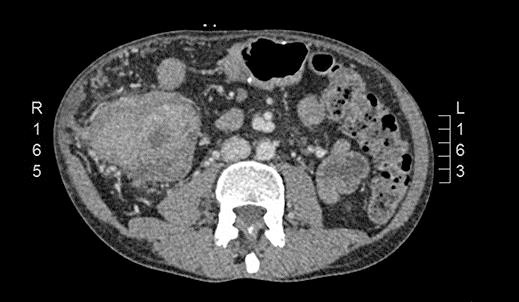
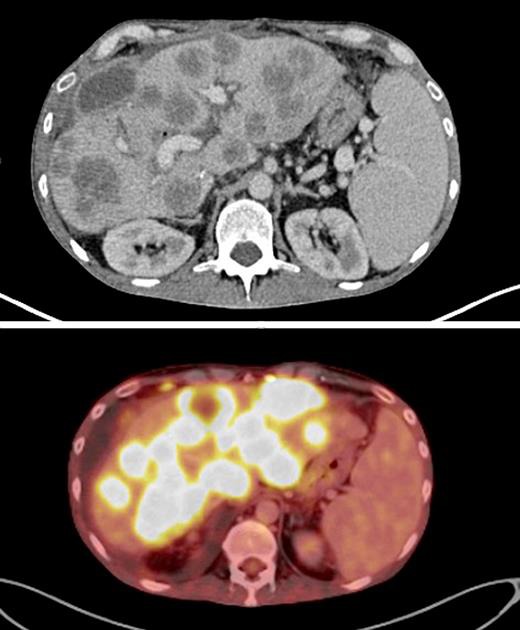
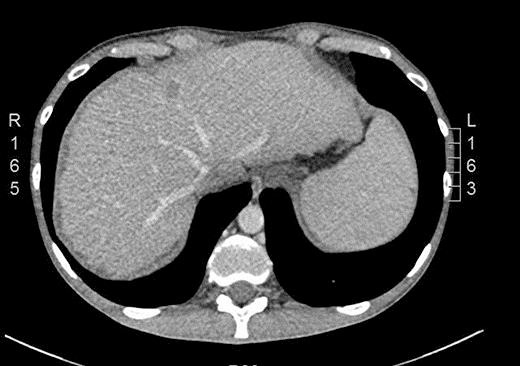
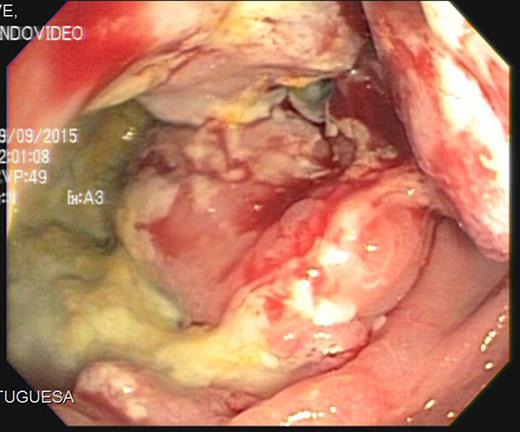
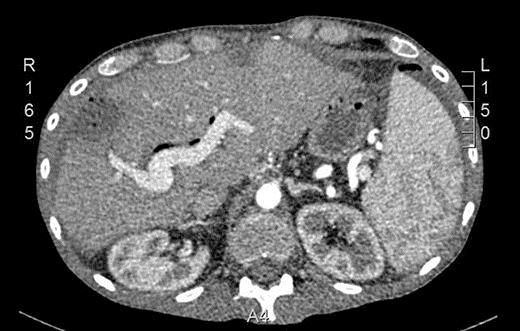
Solid organ transplantation provides life-saving therapy for patients with end-stage organ disease, and its outcomes have been improving dramatically over the past few decades. However, substantial morbidity results from chronic immunosuppressive therapy administered to prevent graft rejection. It predisposes patients to several life-threatening complications, such as opportunistic microbial infections and the development of different types of cancers. Here, we presented the case of a young man with probable Lynch syndrome, who developed an aggressive colon carcinoma after long-term immunosuppressive therapy due to a prior liver transplantation. Based on this case report, we attempt to find an answer to the question about the risk of cancer development or recurrence in patients with familial syndromes receiving long-term immunosuppressive therapy and to find out how it can be minimized. Answering these questions is particularly important, given the facts that disease course is substantially more aggressive among transplanted patients and that prognosis is poor due to lack of immunocompetence, especially in the setting of Lynch syndrome.
实体器官移植为终末期器官疾病患者提供了挽救生命的治疗方法,在过去几十年中其治疗效果有了显著改善。然而,为预防移植物排斥而进行的慢性免疫抑制治疗会导致相当高的发病率。这使患者易患多种危及生命的并发症,如机会性微生物感染和不同类型癌症的发生。在此,我们报告了一例可能患有林奇综合征的年轻男性病例,该患者在先前肝脏移植后接受长期免疫抑制治疗后发生了侵袭性结肠癌。基于此病例报告,我们试图找到关于接受长期免疫抑制治疗的家族综合征患者发生癌症或癌症复发风险问题的答案,并找出如何将其风险降至最低。鉴于移植患者的疾病进程更具侵袭性且由于免疫功能缺乏预后较差,尤其是在林奇综合征的情况下,回答这些问题尤为重要。