Petrosino Stefania, Campolo Michela, Impellizzeri Daniela, Paterniti Irene, Allarà Marco, Gugliandolo Enrico, D'Amico Ramona, Siracusa Rosalba, Cordaro Marika, Esposito Emanuela, Di Marzo Vincenzo, Cuzzocrea Salvatore
Endocannabinoid Research Group, Institute of Biomolecular Chemistry, Consiglio Nazionale delle RicerchePozzuoli, Italy.
Epitech Group SpASaccolongo, Italy.
Front Pharmacol. 2017 May 30;8:308. doi: 10.3389/fphar.2017.00308. eCollection 2017.
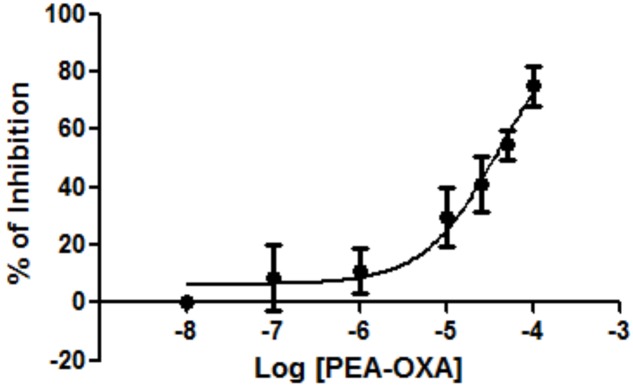
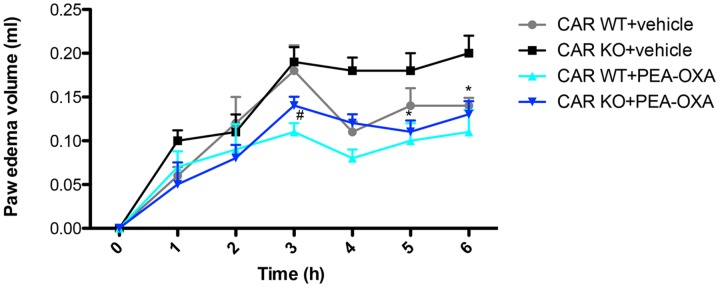
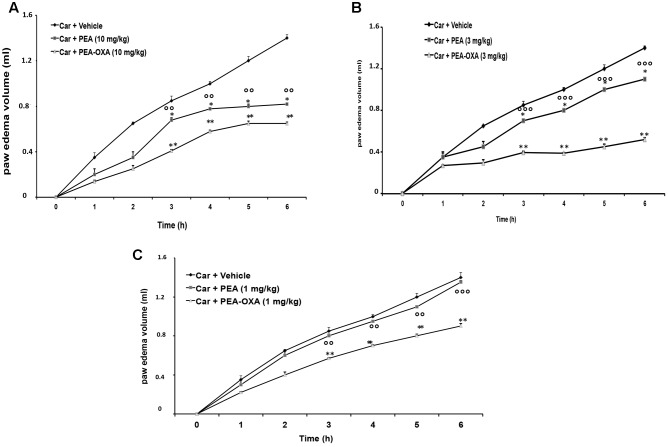
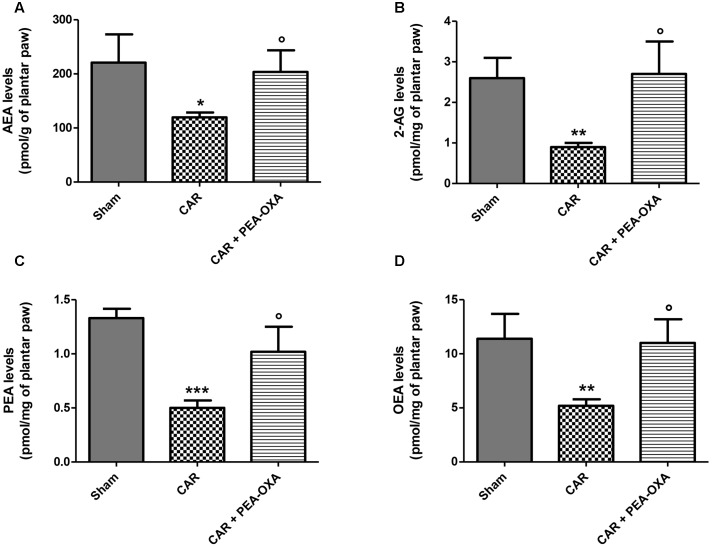
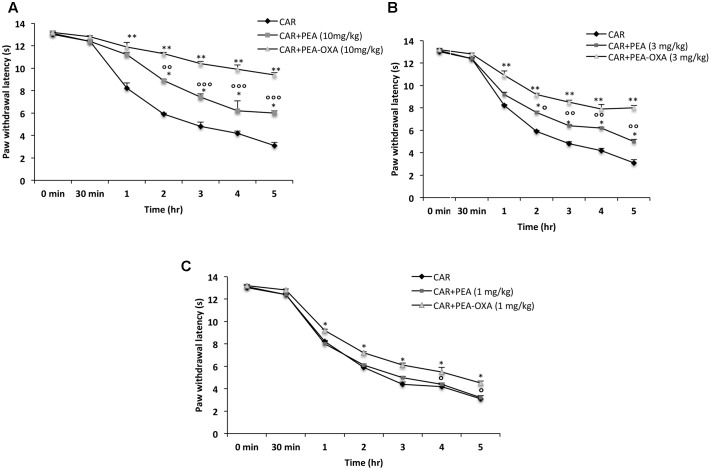
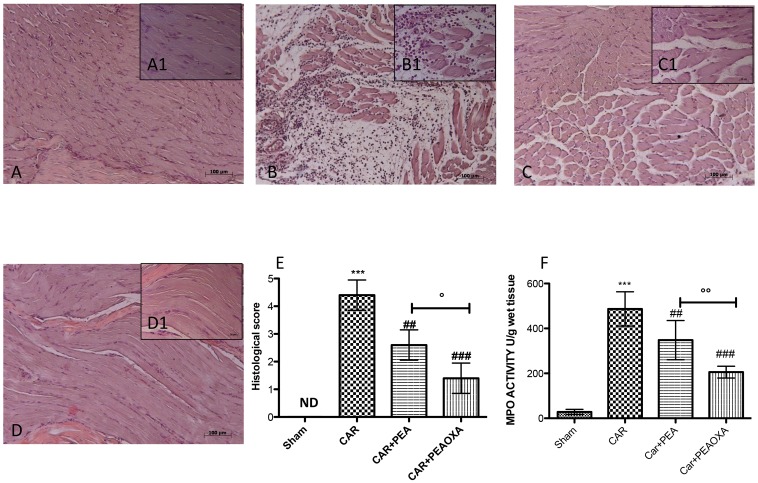
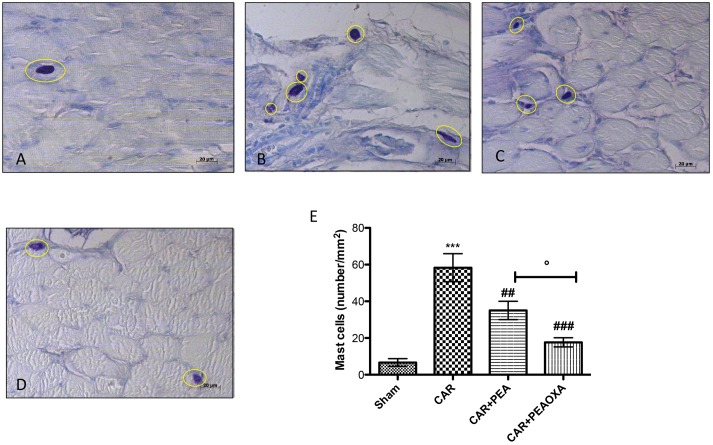
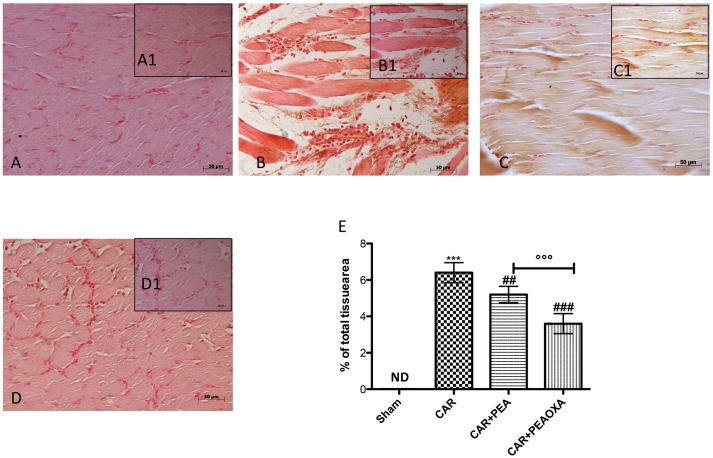
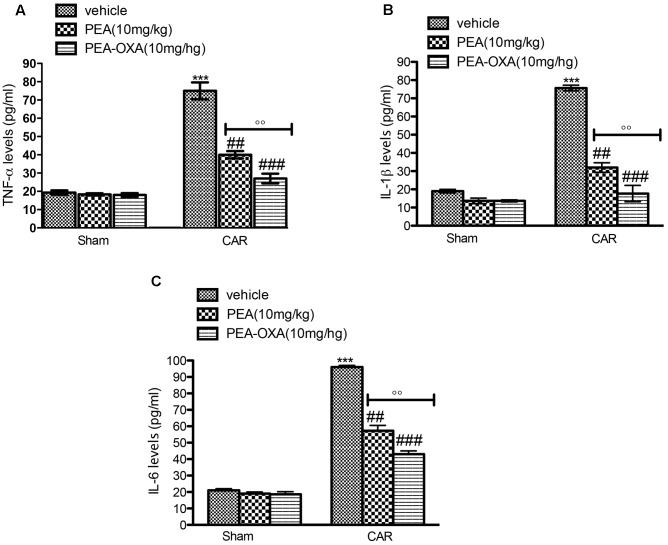
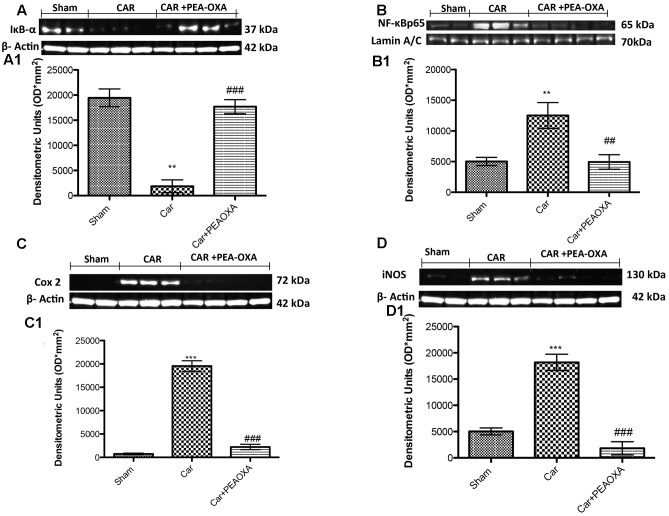
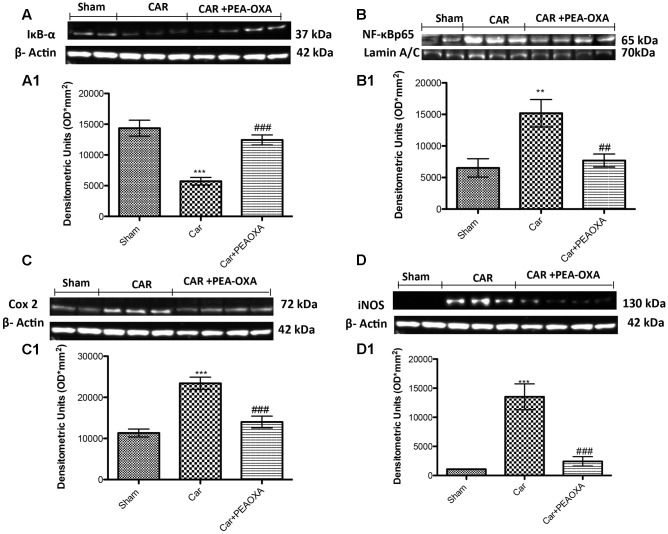
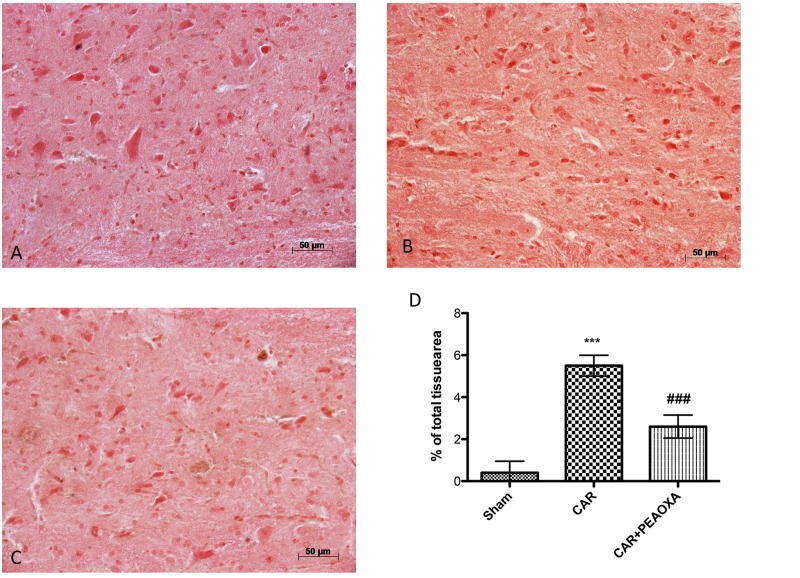
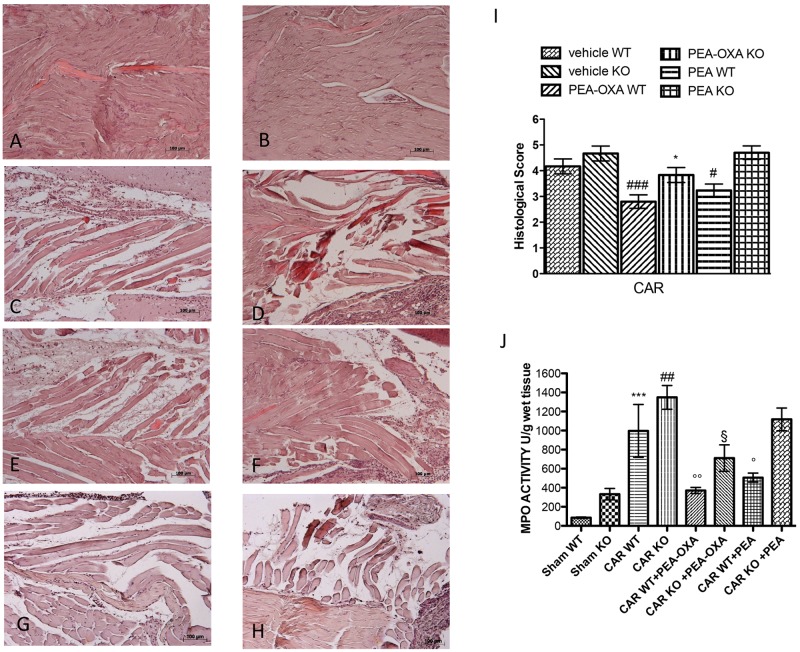
-acylethanolamines (NAEs) involve a family of lipid molecules existent in animal and plant, with palmitoylethanolamide (PEA) that arouses great attention owing to its anti-inflammatory, analgesic and neuroprotective activities. Because PEA is produced on demand and exerts pleiotropic effects, the modulation of specific amidases for NAEs (and in particular NAE-hydrolyzing acid amidase NAAA, which is more selective for PEA) could be a condition to preserve its levels. Here we investigate the effect of 2-Pentadecyl-2-oxazoline (PEA-OXA) the oxazoline of PEA, on human recombinant NAAA and in an established model of Carrageenan (CAR)-induced rat paw inflammation. PEA-OXA dose-dependently significantly inhibited recombinant NAAA and, orally administered to rats (10 mg/kg), limiting histological damage, thermal hyperalgesia and the increase of infiltrating inflammatory cells after CAR injection in the rat right hindpaw, compared to ultramicronized PEA given orally at the same dose (10 mg/kg). These effects were accompanied by elevation of paw PEA levels. Moreover, PEA-OXA markedly reduced neutrophil infiltration and pro-inflammatory cytokine release and prevented CAR-induced IκB-α degradation, nuclear translocation of NF-κB p65, the increase of inducible nitric oxide synthase, cyclooxygenase-2, intercellular adhesion molecule-1, and mast cell activation. Experiments in PPAR-α knockout mice showed that the anti-inflammatory effects of PEA-OXA were not dependent on the presence of PPAR-α receptors. In conclusion, NAAA modulators as PEA-OXA could help to maximize the tissue availability of PEA by increasing its levels and anti-inflammatory effects.
-酰基乙醇胺(NAEs)是一类存在于动植物中的脂质分子,其中棕榈酰乙醇胺(PEA)因其抗炎、镇痛和神经保护活性而备受关注。由于PEA是按需产生并发挥多效性作用,调节NAEs特异性酰胺酶(特别是对PEA更具选择性的NAE水解酸性酰胺酶NAAA)可能是维持其水平的一个条件。在此,我们研究了PEA的恶唑啉2-十五烷基-2-恶唑啉(PEA-OXA)对人重组NAAA的影响,并在角叉菜胶(CAR)诱导的大鼠爪部炎症模型中进行了研究。PEA-OXA剂量依赖性地显著抑制重组NAAA,口服给予大鼠(10mg/kg),与相同剂量(10mg/kg)口服给予超微细化PEA相比,可限制组织学损伤、热痛觉过敏以及CAR注射大鼠右后爪后浸润性炎症细胞的增加。这些作用伴随着爪部PEA水平的升高。此外,PEA-OXA显著减少中性粒细胞浸润和促炎细胞因子释放,并防止CAR诱导的IκB-α降解、NF-κB p65核转位、诱导型一氧化氮合酶、环氧化酶-2、细胞间粘附分子-1增加以及肥大细胞活化。在PPAR-α基因敲除小鼠中的实验表明,PEA-OXA的抗炎作用不依赖于PPAR-α受体的存在。总之,作为PEA-OXA的NAAA调节剂可通过提高PEA水平及其抗炎作用,有助于最大限度地提高PEA的组织可用性。