Hsu Kai-Cheng, Wang Feng-Sheng
Department of Neurology, National Taiwan University Hospital Yunlin Branch, Yunlin, Taiwan.
Department of Chemical Engineering, National Chung Cheng University, Chiayi, Taiwan.
PLoS One. 2017 Jun 14;12(6):e0179575. doi: 10.1371/journal.pone.0179575. eCollection 2017.
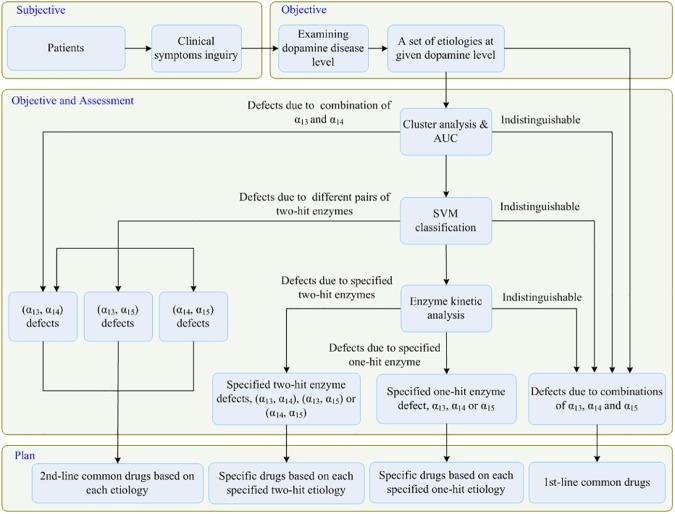
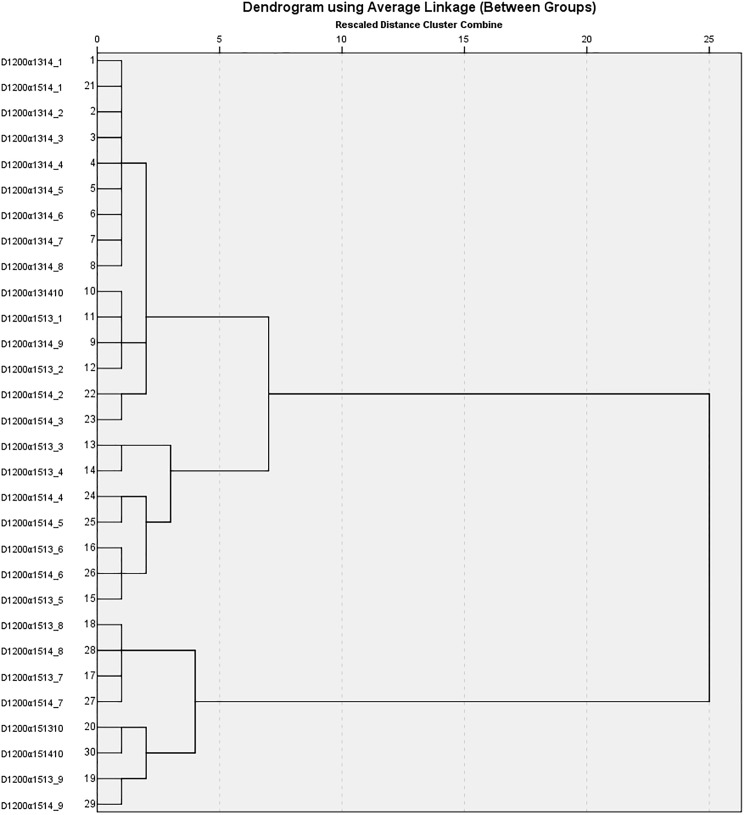
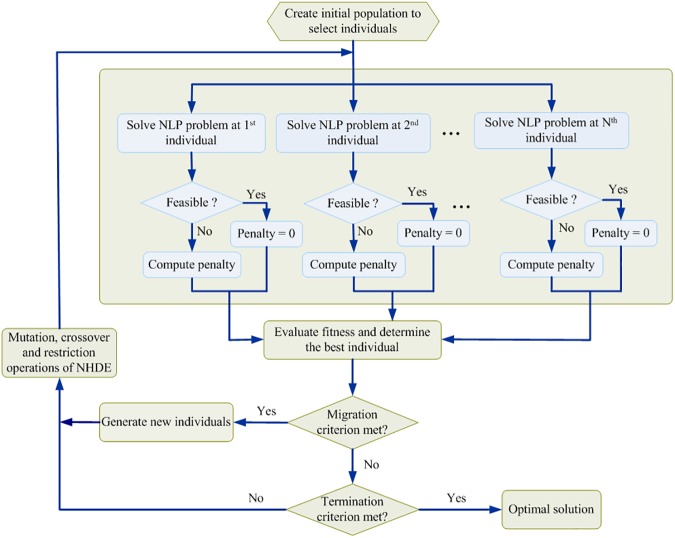
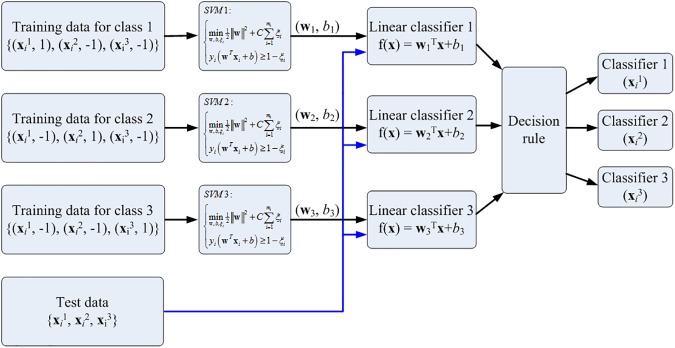
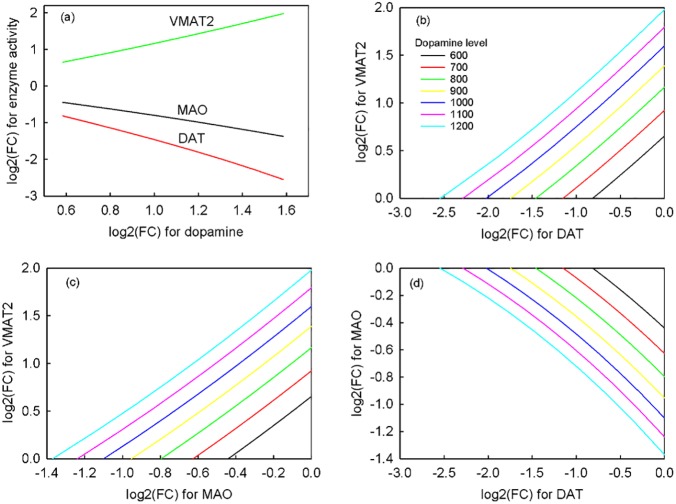
Precision medicine considers an individual's unique physiological characteristics as strongly influential in disease vulnerability and in response to specific therapies. Predicting an individual's susceptibility to developing an illness, making an accurate diagnosis, maximizing therapeutic effects, and minimizing adverse effects for treatment are essential in precision medicine. We introduced model-based precision medicine optimization approaches, including pathogenesis, biomarker detection, and drug target discovery, for treating presynaptic dopamine overactivity. Three classes of one-hit and two-hit enzyme defects were detected as the causes of disease states by the optimization approach of pathogenesis. The cluster analysis and support vector machine was used to detect optimal biomarkers in order to discriminate the accurate etiology from three classes of disease states. Finally, the fuzzy decision-making method was employed to discover common and specific drug targets for each classified disease state. We observed that more accurate diagnoses achieved higher satisfaction grades and dosed fewer enzyme targets to treat the disease. Furthermore, satisfaction grades for common drugs were lower than for specific ones, but common drugs could simultaneously treat several disease states that had different etiologies.
精准医学认为个体独特的生理特征对疾病易感性和对特定治疗的反应有很大影响。在精准医学中,预测个体患疾病的易感性、做出准确诊断、最大化治疗效果以及最小化治疗的不良反应至关重要。我们引入了基于模型的精准医学优化方法,包括发病机制、生物标志物检测和药物靶点发现,用于治疗突触前多巴胺活性过高。通过发病机制优化方法检测到三类单基因和双基因酶缺陷是疾病状态的病因。使用聚类分析和支持向量机来检测最佳生物标志物,以便从三类疾病状态中辨别准确的病因。最后,采用模糊决策方法为每种分类的疾病状态发现共同和特定的药物靶点。我们观察到,更准确的诊断获得了更高的满意度等级,并且治疗疾病所需的酶靶点剂量更少。此外,常用药物的满意度等级低于特定药物,但常用药物可以同时治疗几种病因不同的疾病状态。