Town Stephen M, Brimijoin W Owen, Bizley Jennifer K
Ear Institute, University College London, London, United Kingdom.
MRC/CSO Institute of Hearing Research - Scottish Section, Glasgow, United Kingdom.
PLoS Biol. 2017 Jun 15;15(6):e2001878. doi: 10.1371/journal.pbio.2001878. eCollection 2017 Jun.
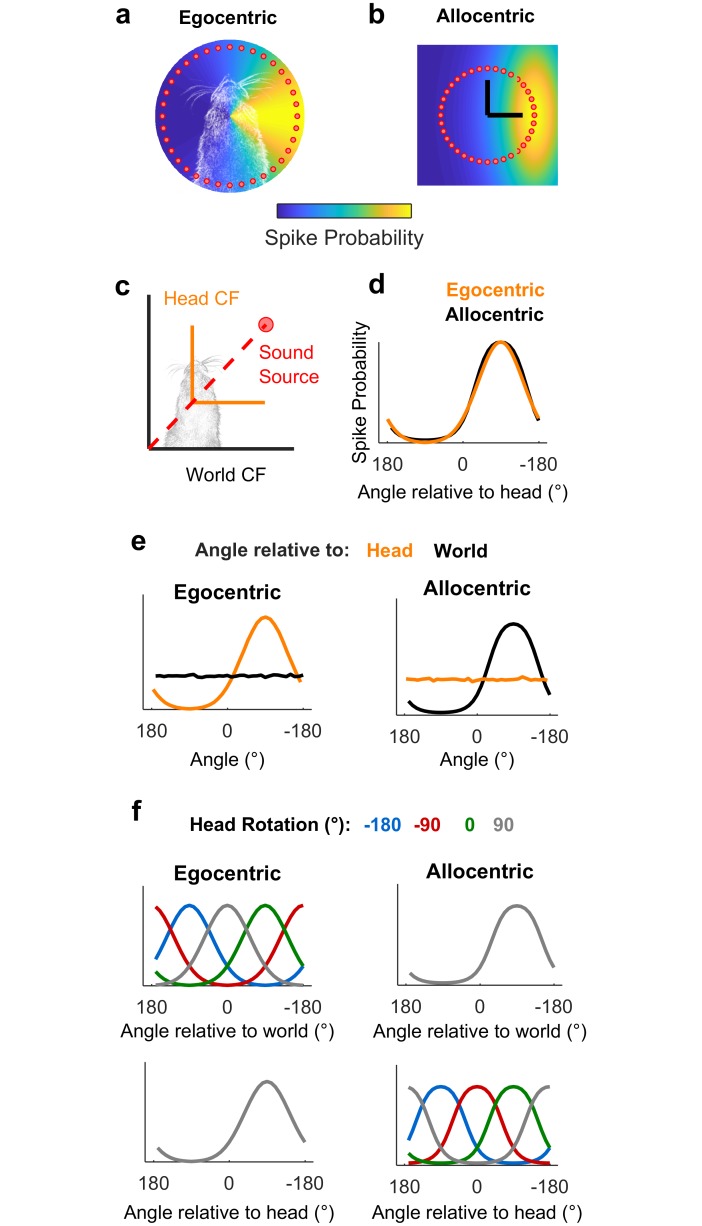
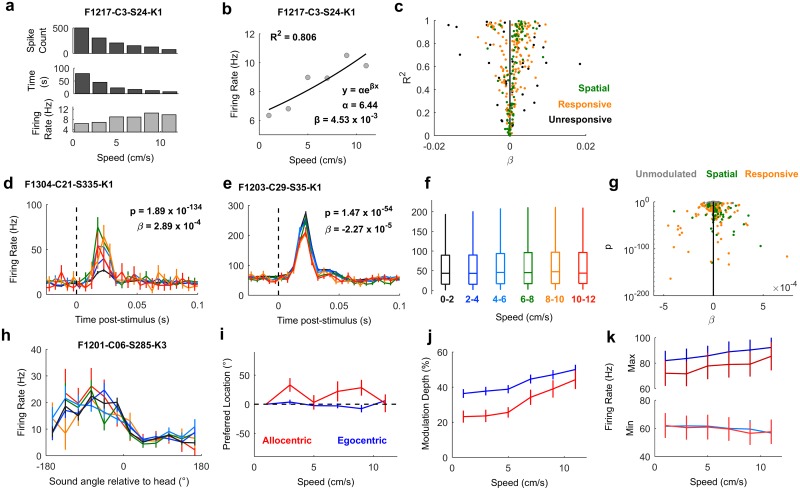
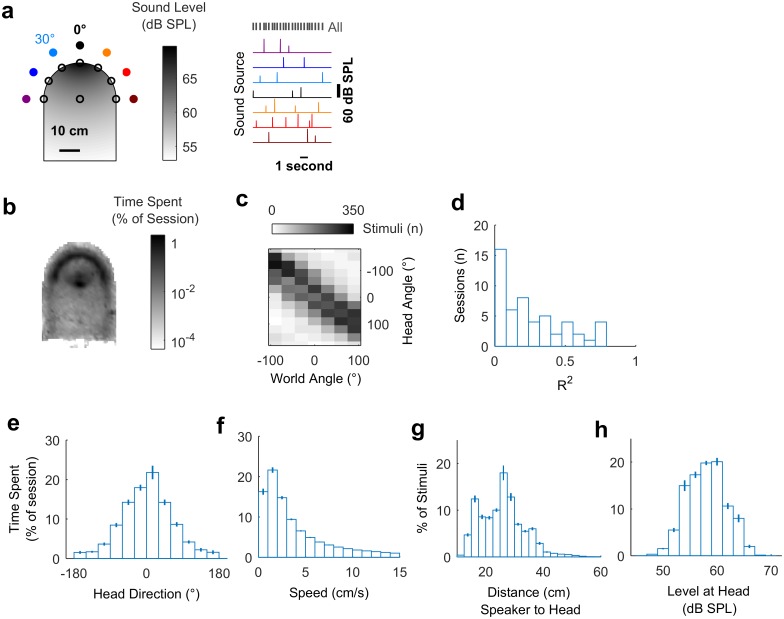
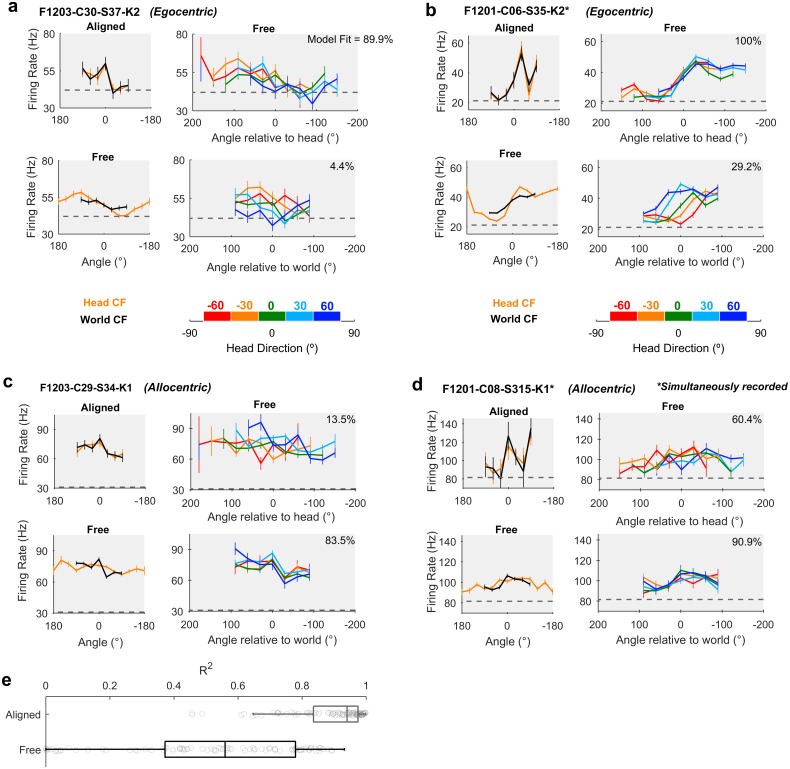
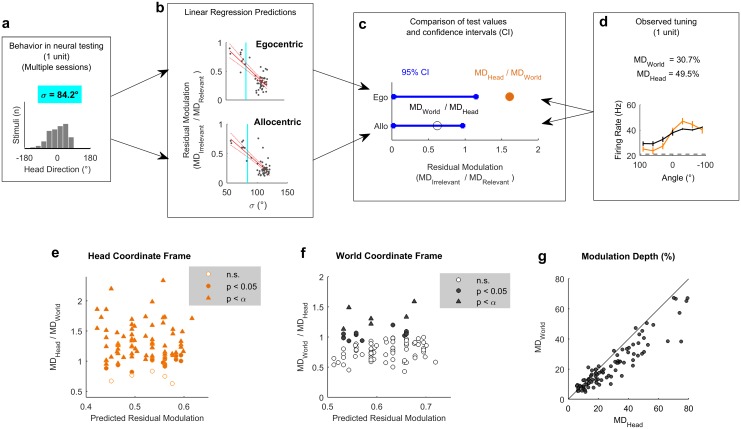
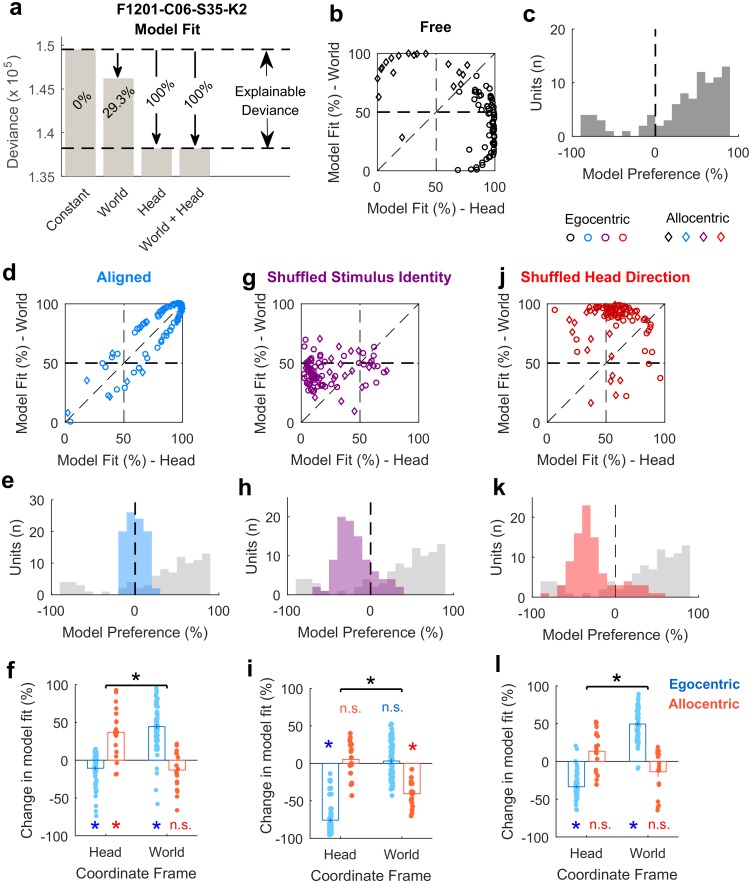
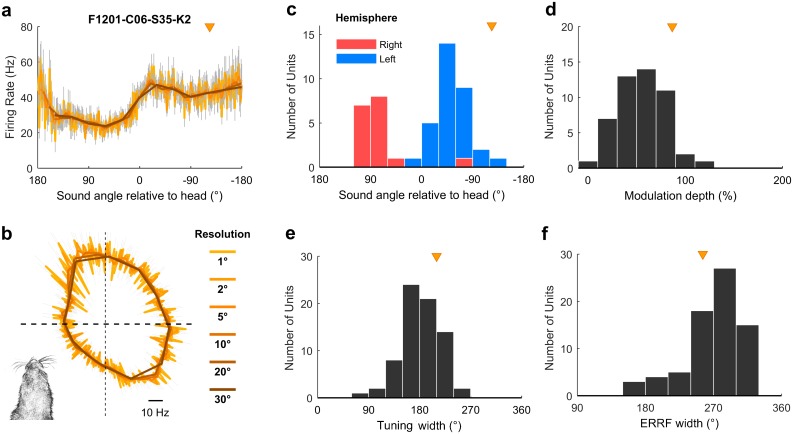
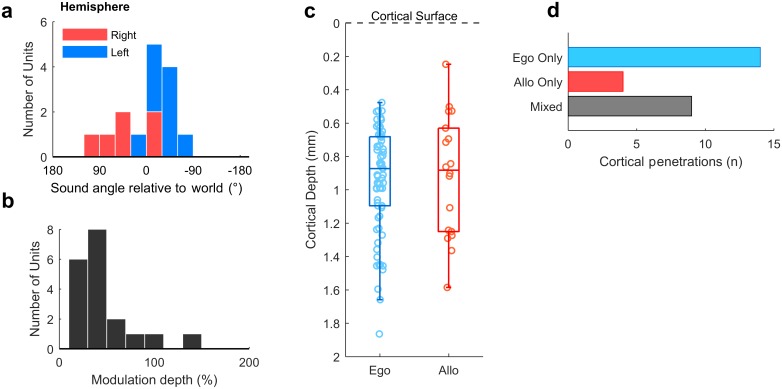
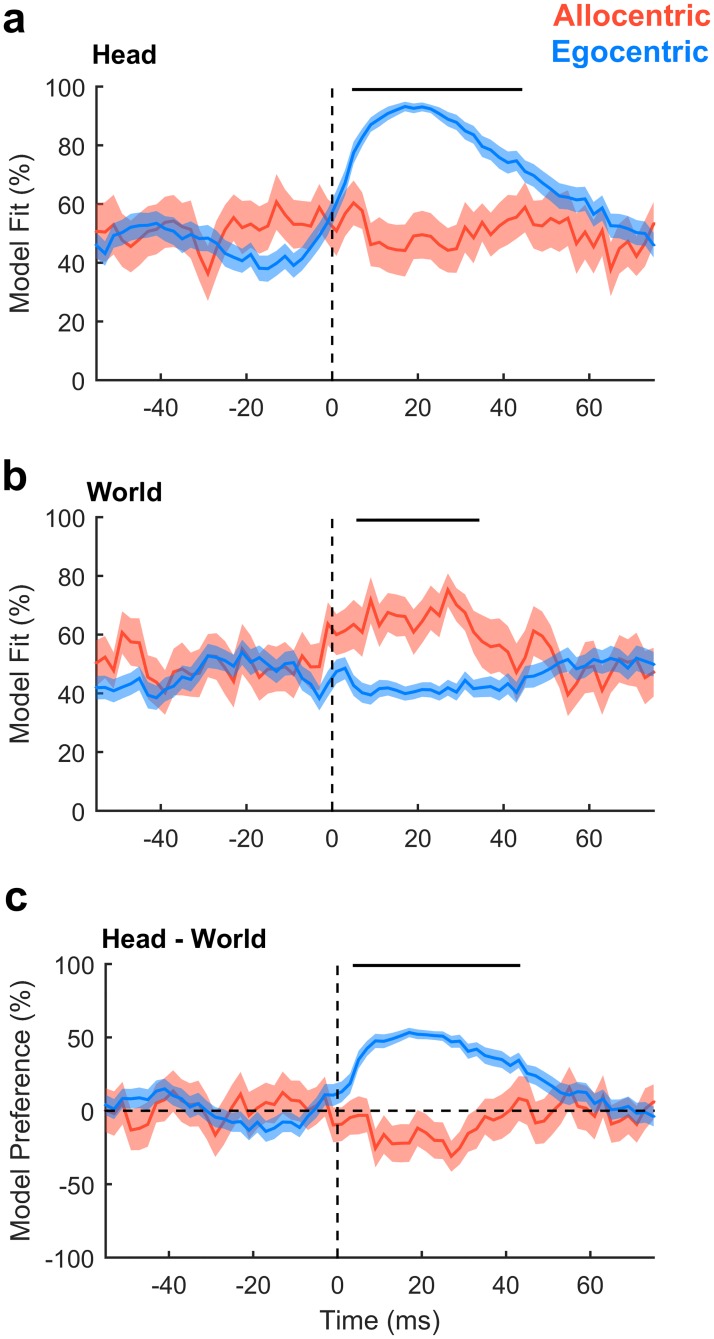
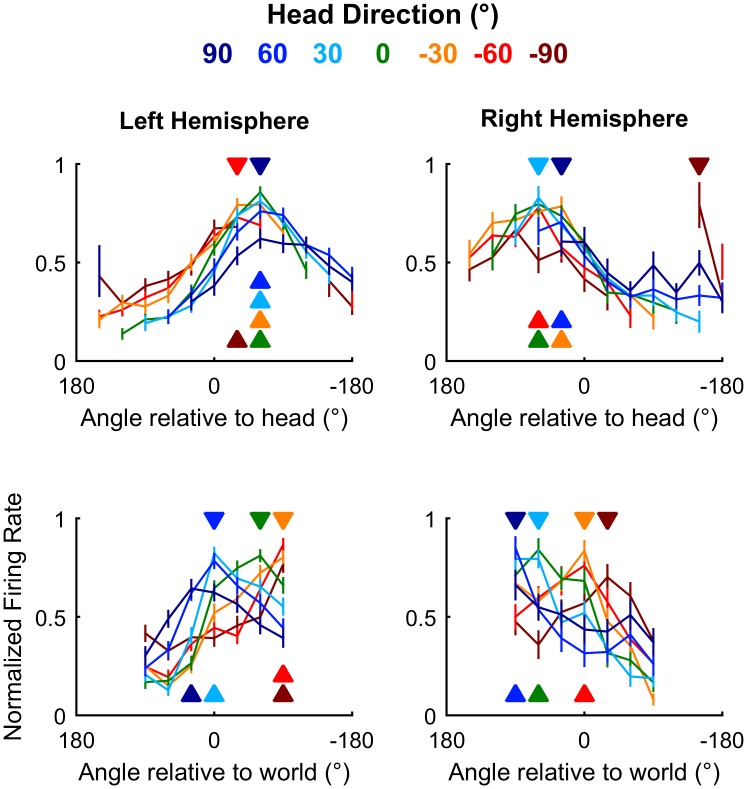
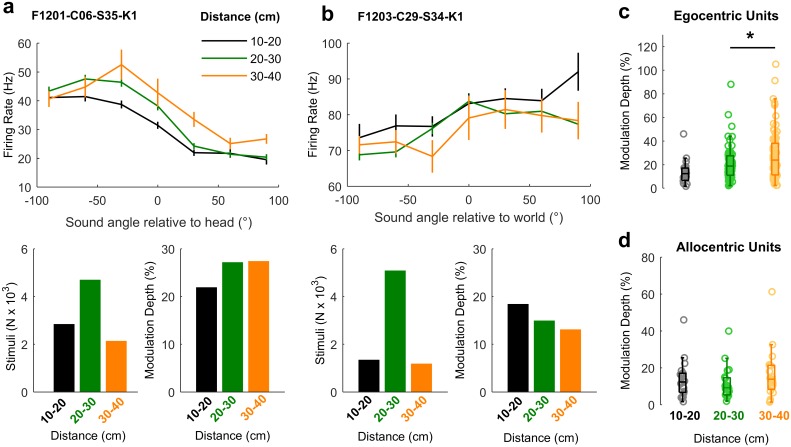
A key function of the brain is to provide a stable representation of an object's location in the world. In hearing, sound azimuth and elevation are encoded by neurons throughout the auditory system, and auditory cortex is necessary for sound localization. However, the coordinate frame in which neurons represent sound space remains undefined: classical spatial receptive fields in head-fixed subjects can be explained either by sensitivity to sound source location relative to the head (egocentric) or relative to the world (allocentric encoding). This coordinate frame ambiguity can be resolved by studying freely moving subjects; here we recorded spatial receptive fields in the auditory cortex of freely moving ferrets. We found that most spatially tuned neurons represented sound source location relative to the head across changes in head position and direction. In addition, we also recorded a small number of neurons in which sound location was represented in a world-centered coordinate frame. We used measurements of spatial tuning across changes in head position and direction to explore the influence of sound source distance and speed of head movement on auditory cortical activity and spatial tuning. Modulation depth of spatial tuning increased with distance for egocentric but not allocentric units, whereas, for both populations, modulation was stronger at faster movement speeds. Our findings suggest that early auditory cortex primarily represents sound source location relative to ourselves but that a minority of cells can represent sound location in the world independent of our own position.
大脑的一个关键功能是提供物体在世界中位置的稳定表征。在听觉方面,声音的方位角和仰角由整个听觉系统中的神经元进行编码,而听觉皮层对于声音定位是必不可少的。然而,神经元表征声音空间的坐标框架仍不明确:在头部固定的受试者中,经典的空间感受野既可以通过对声源相对于头部的位置(以自我为中心)的敏感性来解释,也可以通过相对于世界的位置(以环境为中心的编码)来解释。通过研究自由移动的受试者可以解决这种坐标框架的模糊性;在这里,我们记录了自由移动的雪貂听觉皮层中的空间感受野。我们发现,大多数空间调谐神经元在头部位置和方向变化时表征声源相对于头部的位置。此外,我们还记录了少数神经元,其中声音位置是以世界为中心的坐标框架来表征的。我们利用在头部位置和方向变化时的空间调谐测量来探索声源距离和头部移动速度对听觉皮层活动和空间调谐的影响。对于以自我为中心的单元,空间调谐的调制深度随距离增加,而对于以环境为中心的单元则不然,然而,对于这两种群体,在更快的移动速度下调制更强。我们的研究结果表明,早期听觉皮层主要表征相对于我们自身的声源位置,但少数细胞可以独立于我们自己的位置来表征世界中的声音位置。