Bolton Jessica L, Marinero Steven, Hassanzadeh Tania, Natesan Divya, Le Dominic, Belliveau Christine, Mason S N, Auten Richard L, Bilbo Staci D
Department of Psychology and Neuroscience, Duke University, DurhamNC, United States.
Department of Neurobiology, Duke University Medical Center, DurhamNC, United States.
Front Synaptic Neurosci. 2017 May 31;9:10. doi: 10.3389/fnsyn.2017.00010. eCollection 2017.
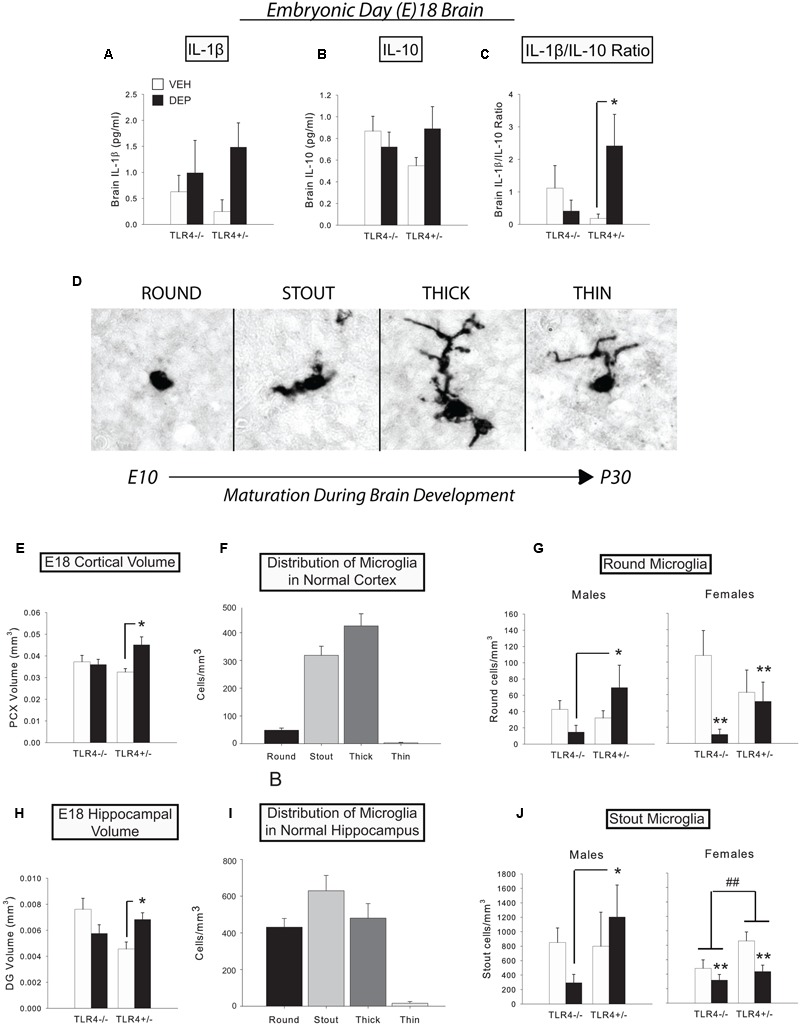
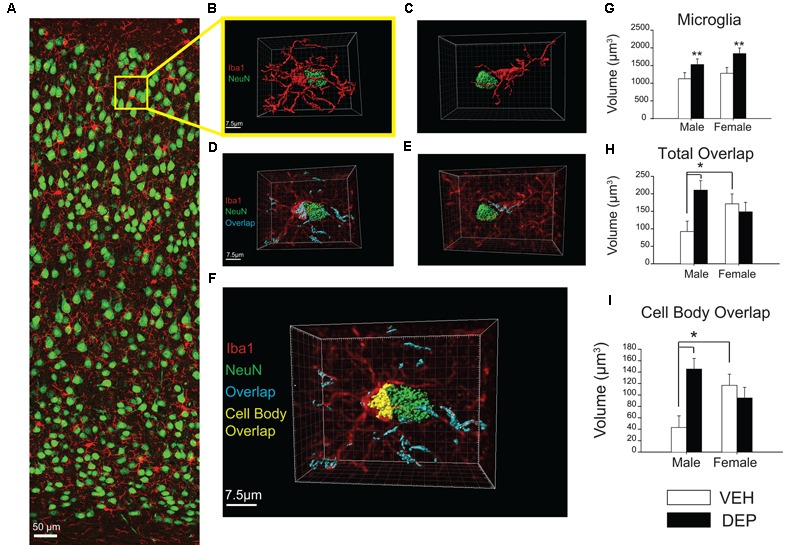
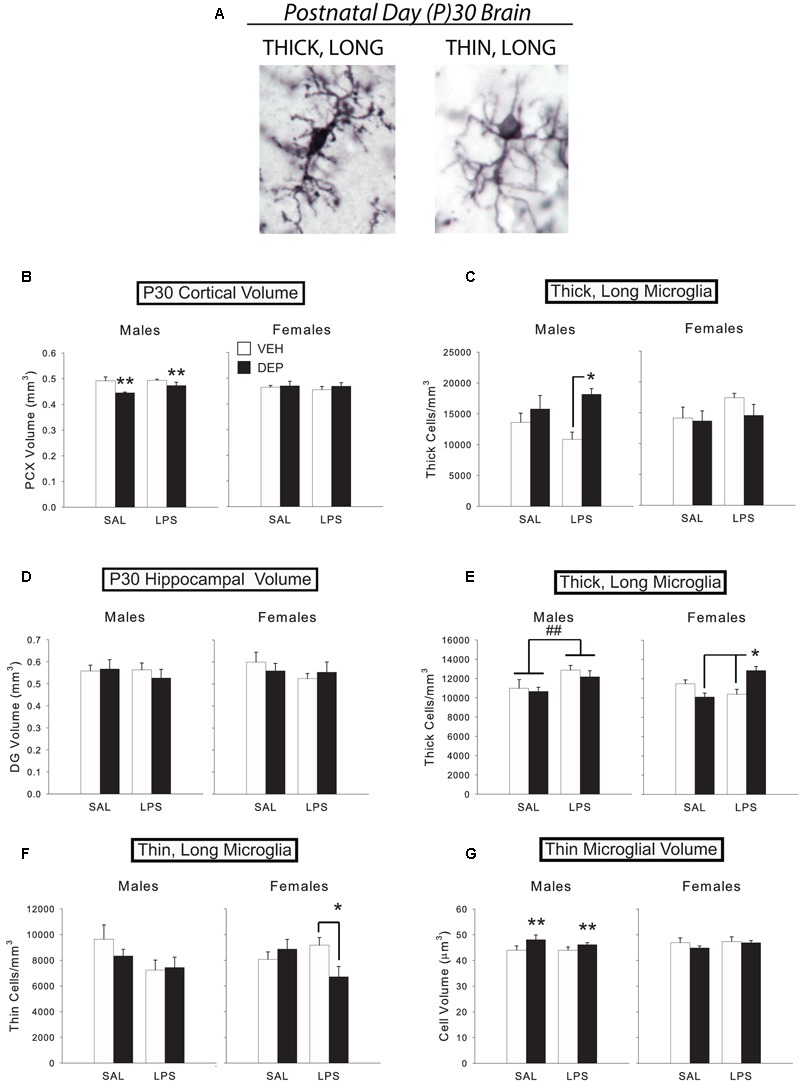
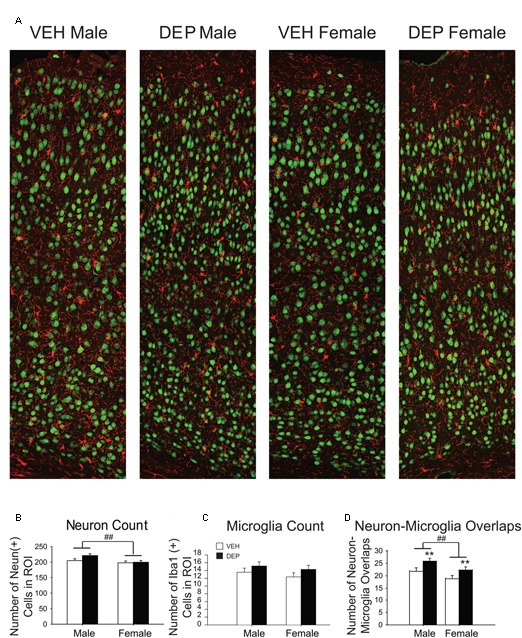
Microglia are the resident immune cells of the brain, important for normal neural development in addition to host defense in response to inflammatory stimuli. Air pollution is one of the most pervasive and harmful environmental toxicants in the modern world, and several large scale epidemiological studies have recently linked prenatal air pollution exposure with an increased risk of neurodevelopmental disorders such as autism spectrum disorder (ASD). Diesel exhaust particles (DEP) are a primary toxic component of air pollution, and markedly activate microglia and in adult rodents. We have demonstrated that exposure to DEP in mice, i.e., to the pregnant dams throughout gestation, results in a persistent vulnerability to behavioral deficits in adult offspring, especially in males, which is intriguing given the greater incidence of ASD in males to females (∼4:1). Moreover, there is a striking upregulation of toll-like receptor (TLR) 4 gene expression within the brains of the same mice, and this expression is primarily in microglia. Here we explored the impact of gestational exposure to DEP or vehicle on microglial morphology in the developing brains of male and female mice. DEP exposure increased inflammatory cytokine protein and altered the morphology of microglia, consistent with activation or a delay in maturation, only within the embryonic brains of male mice; and these effects were dependent on TLR4. DEP exposure also increased cortical volume at embryonic day (E)18, which switched to decreased volume by post-natal day (P)30 in males, suggesting an impact on the developing neural stem cell niche. Consistent with this hypothesis, we found increased microglial-neuronal interactions in male offspring that received DEP compared to all other groups. Taken together, these data suggest a mechanism by which prenatal exposure to environmental toxins may affect microglial development and long-term function, and thereby contribute to the risk of neurodevelopmental disorders.
小胶质细胞是大脑中的常驻免疫细胞,除了在对炎症刺激作出反应时进行宿主防御外,对正常神经发育也很重要。空气污染是现代世界中最普遍且有害的环境毒物之一,最近几项大规模流行病学研究将产前空气污染暴露与神经发育障碍(如自闭症谱系障碍,ASD)风险增加联系起来。柴油尾气颗粒(DEP)是空气污染的主要有毒成分,在成年啮齿动物中能显著激活小胶质细胞。我们已经证明,在小鼠孕期让怀孕母鼠暴露于DEP中,会导致成年后代尤其是雄性后代持续易出现行为缺陷,鉴于男性ASD发病率高于女性(约4:1),这一现象很有趣。此外,在同一批小鼠的大脑中,Toll样受体(TLR)4基因表达显著上调,且这种表达主要存在于小胶质细胞中。在这里,我们探讨了孕期暴露于DEP或载体对雄性和雌性小鼠发育中大脑小胶质细胞形态的影响。DEP暴露仅在雄性小鼠的胚胎大脑中增加了炎性细胞因子蛋白并改变了小胶质细胞的形态,这与激活或成熟延迟一致;并且这些影响依赖于TLR4。DEP暴露还增加了胚胎第18天(E18)时的皮质体积,而在雄性小鼠出生后第30天(P30)时则转变为体积减小,这表明对发育中的神经干细胞生态位有影响。与这一假设一致,我们发现与所有其他组相比,接受DEP的雄性后代中微胶质细胞与神经元的相互作用增加。综上所述,这些数据表明了一种机制,通过该机制产前暴露于环境毒素可能会影响小胶质细胞的发育和长期功能,从而增加神经发育障碍的风险。