Gicquel Ludovic, Ordonneau Pauline, Blot Emilie, Toillon Charlotte, Ingrand Pierre, Romo Lucia
University Center of Child and Adolescent Psychiatry, Clinical Research Unit, Henri Laborit Hospital Center, Poitiers University, Poitiers, France.
Faculty of Medicine and Pharmacy, Biostatistics Department, Poitiers University, Poitiers, France.
Front Psychiatry. 2017 Jun 1;8:94. doi: 10.3389/fpsyt.2017.00094. eCollection 2017.
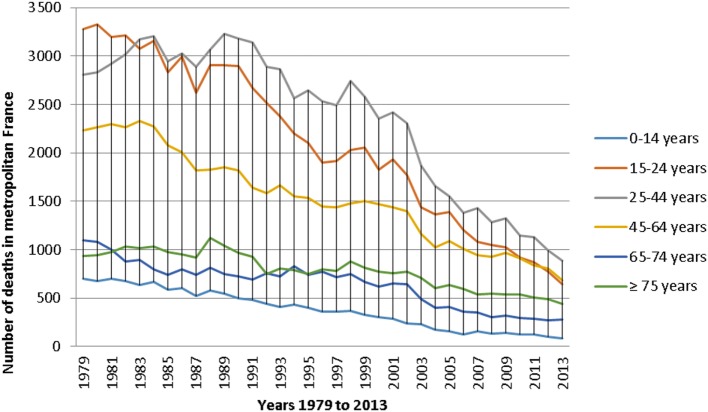
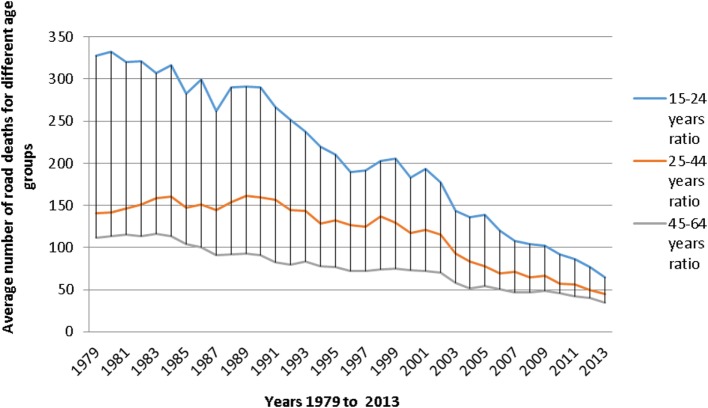
Traffic accidents are the leading cause of hospitalization in adolescence, with the 18-24-year-old age group accounting for 23% of deaths by traffic accidents. Recurrence rate is also high. One in four teenagers will have a relapse within the year following the first accident. Cognitive impairments known in adolescence could cause risky behaviors, defined as repetitive engagement in dangerous situations such as road accidents. Two categories of factors seem to be associated with traffic accidents: (1) factors specific to the traffic environment and (2) "human" factors, which seem to be the most influential. Moreover, the establishment of a stronger relation to high speed driving increases traffic accident risks and can also be intensified by sensation seeking. Other factors such as substance use (alcohol, drugs, and "binge drinking") are also identified as risk factors. Furthermore, cell phone use while driving and attention deficit disorder with or without hyperactivity also seem to be important risk factors for car accidents. The family environment strongly influences a young person's driving behavior. Some interventional driving strategies and preventive measures have reduced the risk of traffic accidents among young people, such as the graduated driver licensing program and advertising campaigns. So far, few therapeutic approaches have been implemented. Reason why, we decided to set up an innovative strategy consisting of a therapeutic postaccident group intervention, entitled the ECARR2 protocol, to prevent recurrence among adolescents and young adults identified at risk, taking into account the multiple risk factors.
交通事故是青少年住院治疗的主要原因,18至24岁年龄组占交通事故死亡人数的23%。复发率也很高。四分之一的青少年在第一次事故后的一年内会复发。青少年中已知的认知障碍可能导致危险行为,即反复置身于危险情境(如道路交通事故)中。两类因素似乎与交通事故有关:(1)交通环境特有的因素和(2)“人为”因素,后者似乎最具影响力。此外,与高速驾驶建立更紧密的联系会增加交通事故风险,而且寻求刺激也会加剧这种风险。其他因素,如物质使用(酒精、毒品和“狂饮”)也被确定为风险因素。此外,开车时使用手机以及患有或未患有多动症状的注意力缺陷障碍似乎也是导致车祸的重要风险因素。家庭环境对年轻人的驾驶行为有很大影响。一些干预性驾驶策略和预防措施降低了年轻人交通事故的风险,如分级驾照许可计划和广告宣传活动。到目前为止,很少有治疗方法得到实施。因此,我们决定制定一项创新策略,即设立一个名为ECARR2方案的事故后治疗性团体干预措施,以预防已确定为高危人群的青少年和年轻人复发事故,同时考虑到多种风险因素。