Department of Chemistry, University of Liverpool , Liverpool, L69 7ZD, United Kingdom.
School of Chemistry, WESTChem, University of Glasgow , Glasgow, G12 8QQ, United Kingdom.
Biomacromolecules. 2017 Nov 13;18(11):3531-3540. doi: 10.1021/acs.biomac.7b00823. Epub 2017 Jul 3.
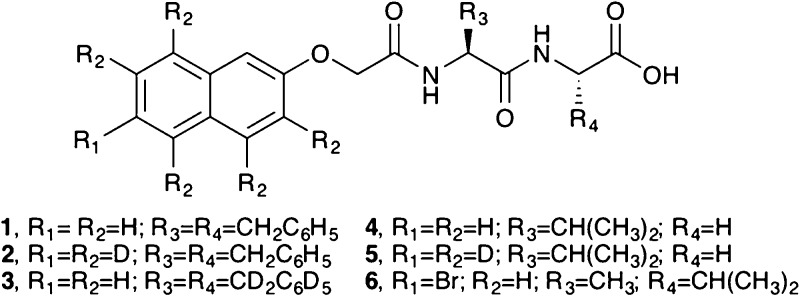
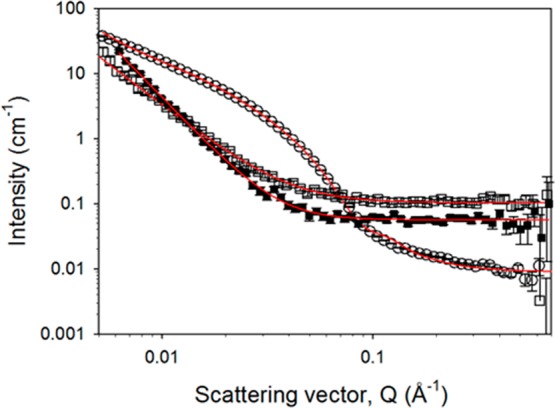
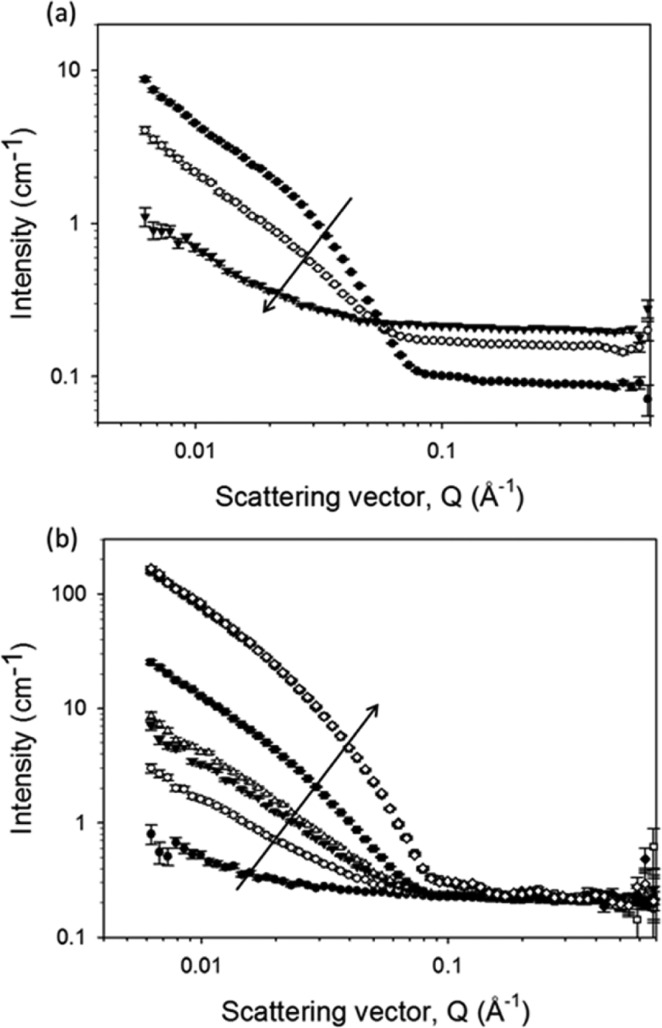
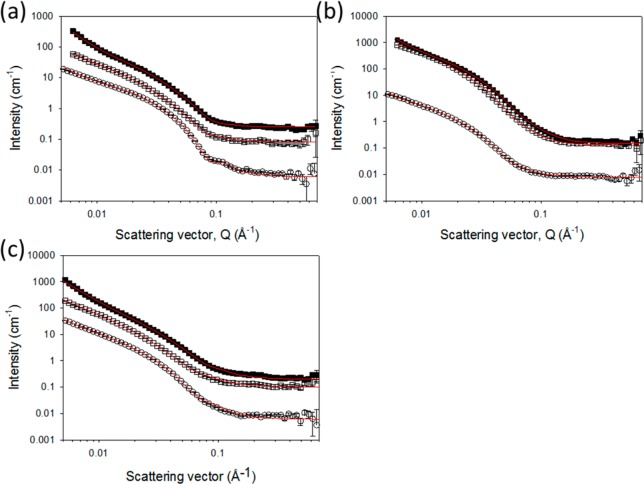
Low molecular weight gels are formed by the self-assembly of a suitable small molecule gelator into a three-dimensional network of fibrous structures. The gel properties are determined by the fiber structures, the number and type of cross-links and the distribution of the fibers and cross-links in space. Probing these structures and cross-links is difficult. Many reports rely on microscopy of dried gels (xerogels), where the solvent is removed prior to imaging. The assumption is made that this has little effect on the structures, but it is not clear that this assumption is always (or ever) valid. Here, we use small angle neutron scattering (SANS) to probe low molecular weight hydrogels formed by the self-assembly of dipeptides. We compare scattering data for wet and dried gels, as well as following the drying process. We show that the assumption that drying does not affect the network is not always correct.
低分子量凝胶是由合适的小分子凝胶剂自组装成三维纤维结构网络形成的。凝胶性质由纤维结构、交联的数量和类型以及纤维和交联在空间中的分布决定。探测这些结构和交联是困难的。许多报告依赖于干燥凝胶(干凝胶)的显微镜检查,其中在成像之前除去溶剂。假设这对结构几乎没有影响,但尚不清楚该假设是否总是(或曾经)有效。在这里,我们使用小角中子散射(SANS)来探测由二肽自组装形成的低分子量水凝胶。我们比较了湿凝胶和干凝胶以及干燥过程后的散射数据。我们表明,干燥不会影响网络的假设并不总是正确的。