Magro Giada, Biffani Stefano, Minozzi Giulietta, Ehricht Ralf, Monecke Stefan, Luini Mario, Piccinini Renata
Department of Veterinary Medicine, University of Milan, Via Celoria 10, 20133 Milan, Italy.
Italian Breeders Association (A.I.A.), via Tomassetti 9, 00161 Rome, Italy.
Toxins (Basel). 2017 Jun 21;9(6):195. doi: 10.3390/toxins9060195.
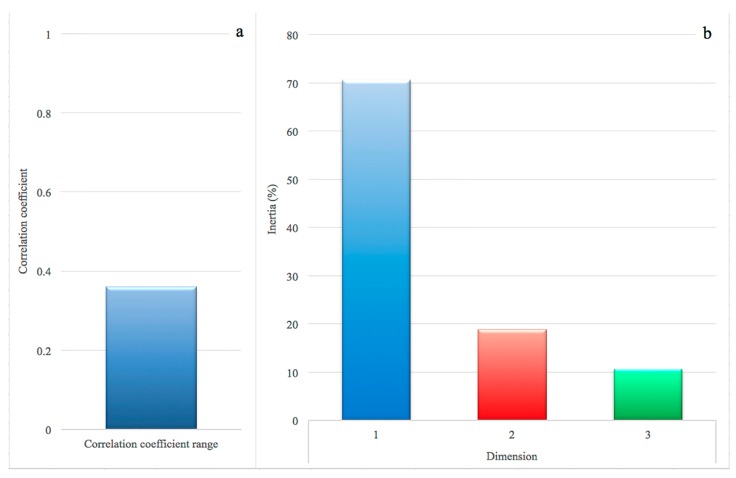
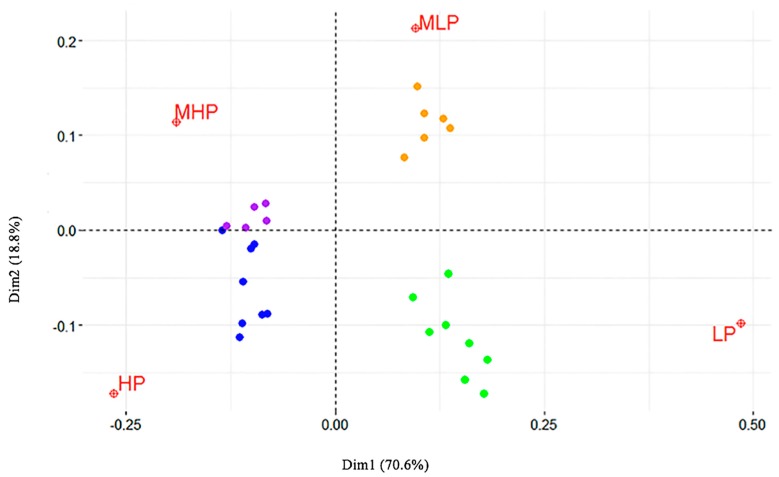
() is a major agent of dairy cow intramammary infections: the different prevalences of mastitis reported might be related to a combination of virulence factors beyond host factors. The present study considered 169 isolates from different Italian dairy herds that were classified into four groups based on the prevalence of infection at the first testing: low prevalence (LP), medium-low (MLP), medium-high (MHP) and high (HP). We aimed to correlate the presence of virulence genes with the prevalence of intramammary infections in order to develop new strategies for the control of mastitis. Microarray data were statistically evaluated using binary logistic regression and correspondence analysis to screen the risk factors and the relationship between prevalence group and gene. The analysis showed: (1) 24 genes at significant risk of being detected in all the herds with infection prevalence >5%, including genes belonging to microbial surface components recognizing adhesive matrix molecules (MSCRAMMs), immune evasion and serine proteases; and (2) a significant correlation coefficient between the genes interacting with the host immune response and HP isolates against LP ones. These results support the hypothesis that virulence factors, in addition to cow management, could be related to strain contagiousness, offering new insights into vaccine development.
()是奶牛乳房内感染的主要病原体:所报道的不同乳腺炎患病率可能与宿主因素之外的多种毒力因子组合有关。本研究纳入了来自意大利不同奶牛场的169株分离株,根据首次检测时的感染患病率将其分为四组:低患病率(LP)、中低患病率(MLP)、中高患病率(MHP)和高患病率(HP)。我们旨在将毒力基因的存在与乳房内感染的患病率相关联,以便制定控制乳腺炎的新策略。使用二元逻辑回归和对应分析对微阵列数据进行统计学评估,以筛选危险因素以及患病率组与基因之间的关系。分析结果显示:(1)在所有感染患病率>5%的牛群中,有24个基因被检测到的风险显著,包括属于识别黏附基质分子的微生物表面成分(MSCRAMMs)、免疫逃避和丝氨酸蛋白酶的基因;(2)与宿主免疫反应相互作用的基因与HP分离株和LP分离株之间存在显著的相关系数。这些结果支持了这样一种假设,即除了奶牛管理外,毒力因子可能与菌株的传染性有关,为疫苗开发提供了新的见解。