Griesser Michael, Drobniak Szymon M, Nakagawa Shinichi, Botero Carlos A
Department of Anthropology, University of Zurich, Zurich, Switzerland.
Department of Ecology, Swedish University of Agricultural Sciences, Uppsala, Sweden.
PLoS Biol. 2017 Jun 21;15(6):e2000483. doi: 10.1371/journal.pbio.2000483. eCollection 2017 Jun.
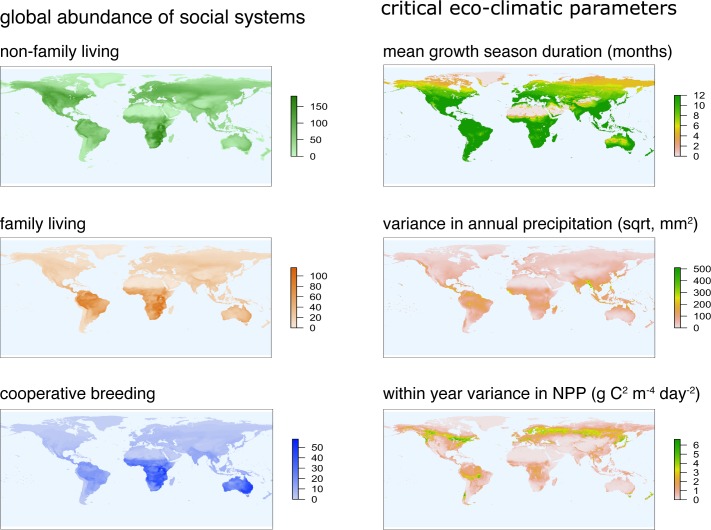
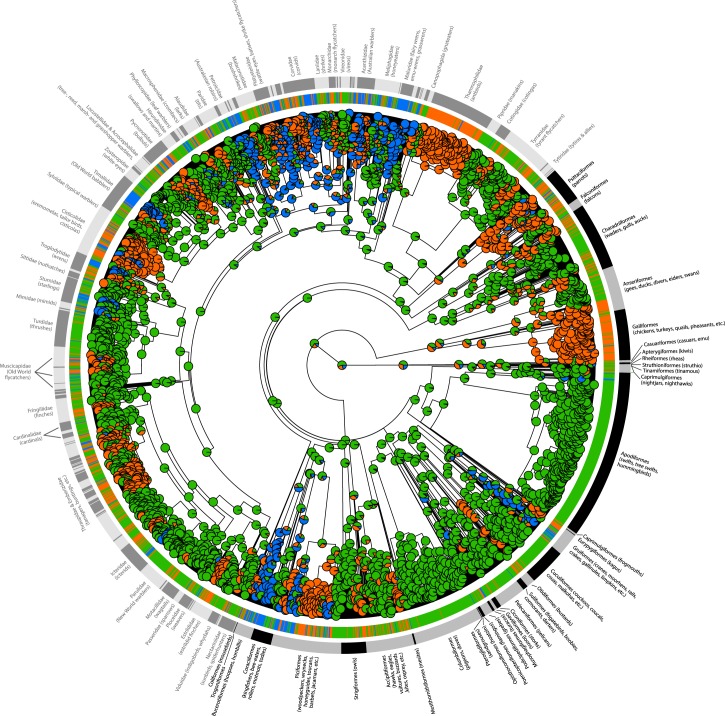
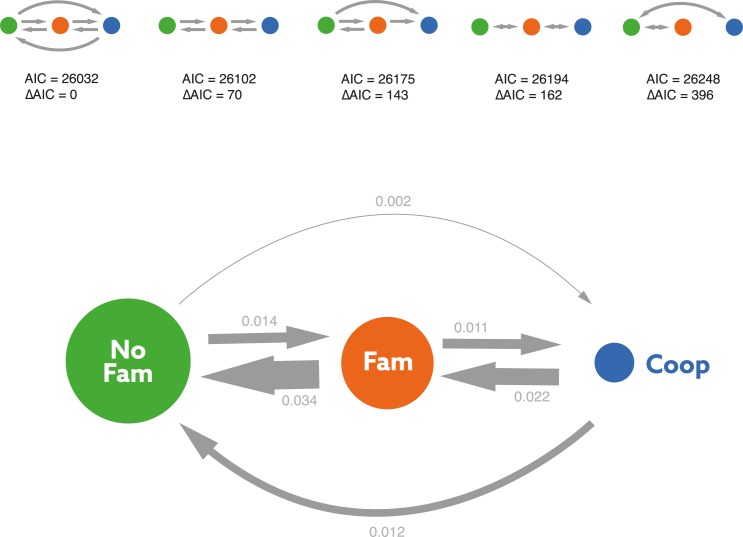
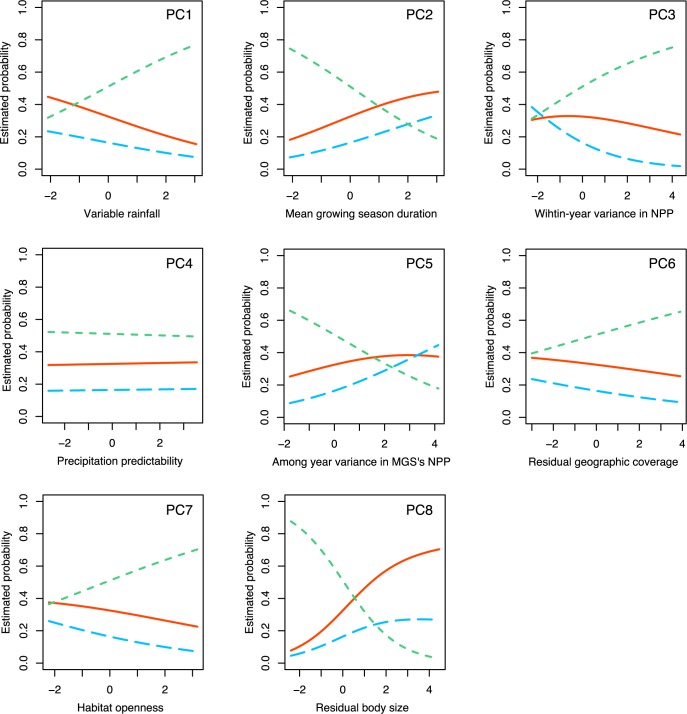
Cooperative breeding is an extreme form of cooperation that evolved in a range of lineages, including arthropods, fish, birds, and mammals. Although cooperative breeding in birds is widespread and well-studied, the conditions that favored its evolution are still unclear. Based on phylogenetic comparative analyses on 3,005 bird species, we demonstrate here that family living acted as an essential stepping stone in the evolution of cooperative breeding in the vast majority of species. First, families formed by prolonging parent-offspring associations beyond nutritional independency, and second, retained offspring began helping at the nest. These findings suggest that assessment of the conditions that favor the evolution of cooperative breeding can be confounded if this process is not considered to include 2 steps. Specifically, phylogenetic linear mixed models show that the formation of families was associated with more productive and seasonal environments, where prolonged parent-offspring associations are likely to be less costly. However, our data show that the subsequent evolution of cooperative breeding was instead linked to environments with variable productivity, where helpers at the nest can buffer reproductive failure in harsh years. The proposed 2-step framework helps resolve current disagreements about the role of environmental forces in the evolution of cooperative breeding and better explains the geographic distribution of this trait. Many geographic hotspots of cooperative breeding have experienced a historical decline in productivity, suggesting that a higher proportion of family-living species could have been able to avoid extinction under harshening conditions through the evolution of cooperative breeding. These findings underscore the importance of considering the potentially different factors that drive different steps in the evolution of complex adaptations.
合作繁殖是一种极端的合作形式,它在包括节肢动物、鱼类、鸟类和哺乳动物在内的一系列谱系中进化而来。尽管鸟类中的合作繁殖很普遍且得到了充分研究,但其进化所青睐的条件仍不清楚。基于对3005种鸟类的系统发育比较分析,我们在此证明,在绝大多数物种中,家庭生活在合作繁殖的进化过程中起到了至关重要的垫脚石作用。首先,通过将亲子关系延长至营养独立之后形成家庭,其次,留巢的后代开始在巢中提供帮助。这些发现表明,如果不认为这个过程包括两个步骤,那么对有利于合作繁殖进化的条件的评估可能会产生混淆。具体而言,系统发育线性混合模型表明,家庭的形成与生产力更高和季节性更强的环境相关,在这些环境中,延长的亲子关系可能成本更低。然而,我们的数据表明,合作繁殖随后的进化反而与生产力可变的环境有关,在这种环境中,巢中的帮手可以缓冲恶劣年份的繁殖失败。所提出的两步框架有助于解决当前关于环境力量在合作繁殖进化中的作用的分歧,并更好地解释这一特征的地理分布。许多合作繁殖的地理热点地区经历了生产力的历史下降,这表明在环境恶化的情况下,更高比例的家庭生活物种可能能够通过合作繁殖的进化避免灭绝。这些发现强调了考虑驱动复杂适应进化不同步骤的潜在不同因素的重要性。