Department of Chemical and Biomolecular Engineering, University of Notre Dame, Notre Dame, IN, 46556, USA.
Advanced Diagnostics and Therapeutics, University of Notre Dame, Notre Dame, IN, 46556, USA.
Sci Rep. 2017 Jun 21;7(1):3981. doi: 10.1038/s41598-017-04268-6.
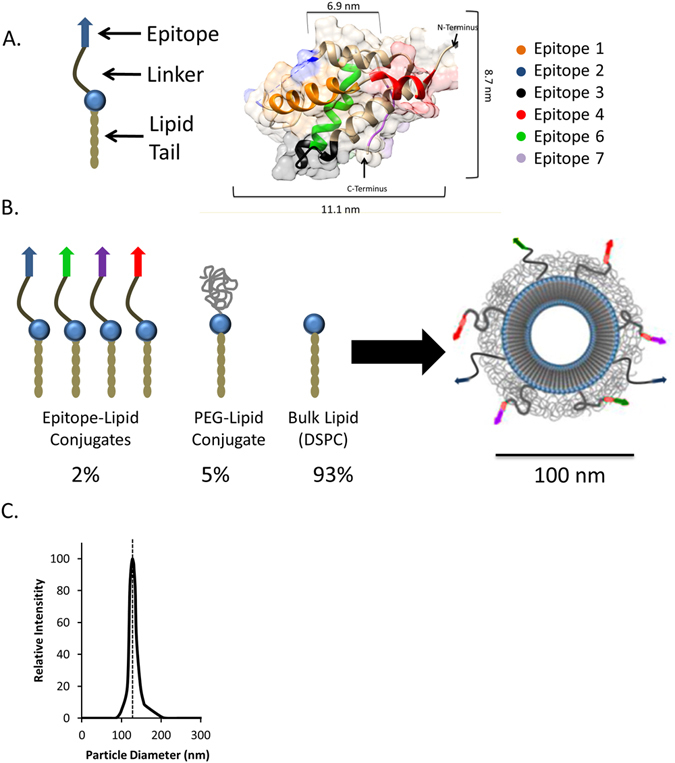
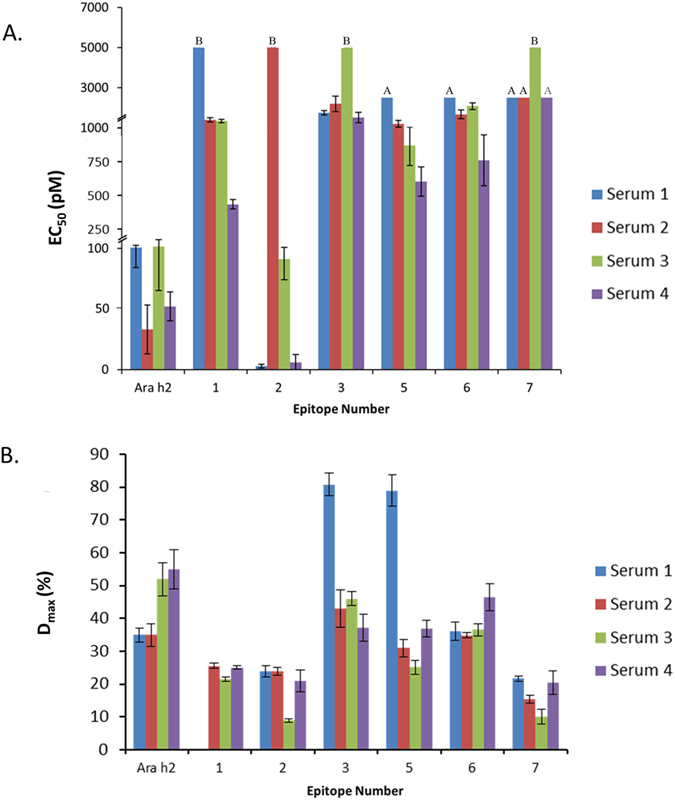
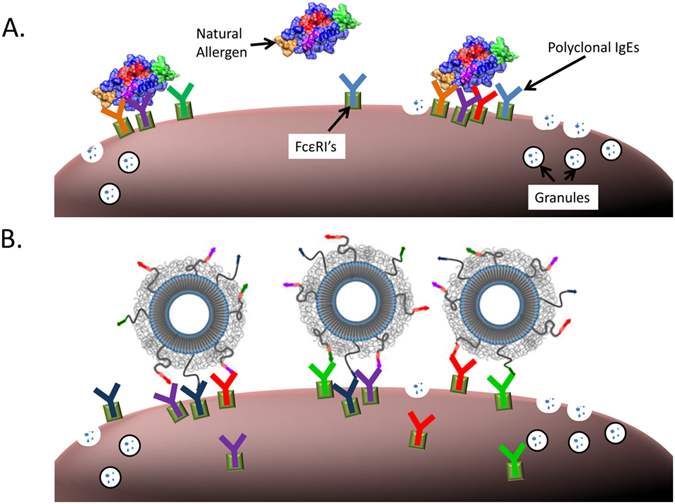
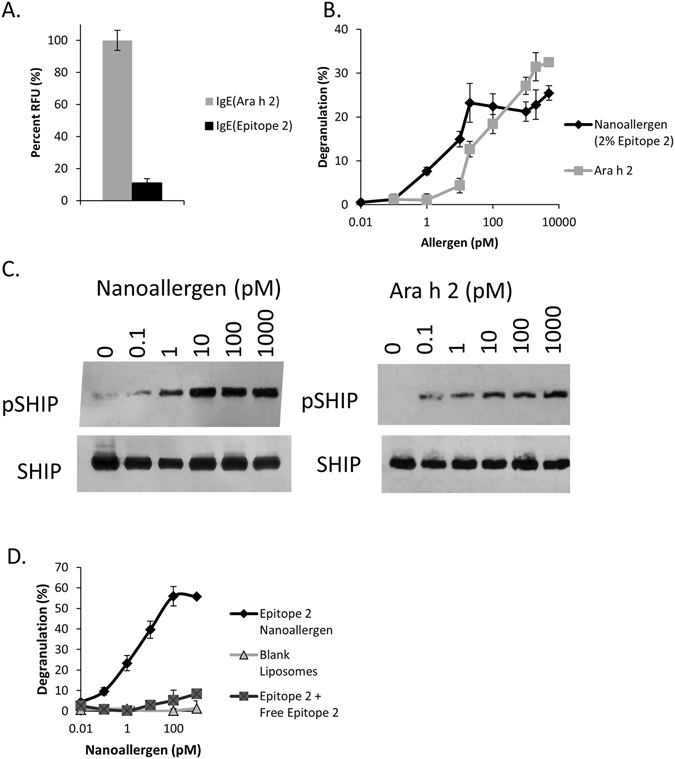
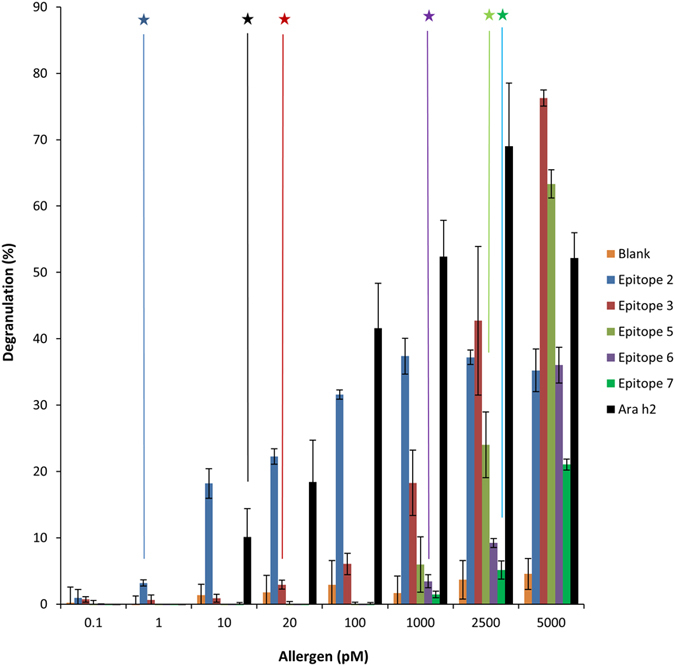
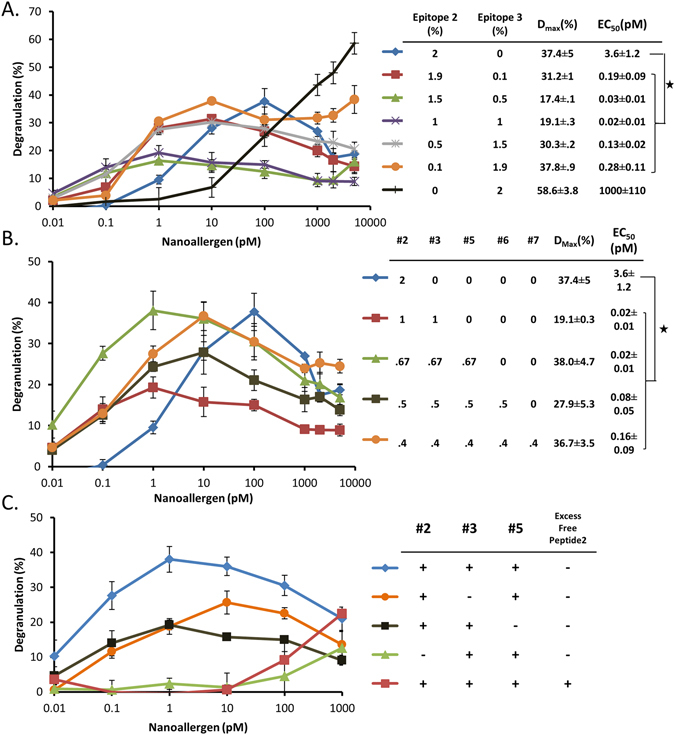
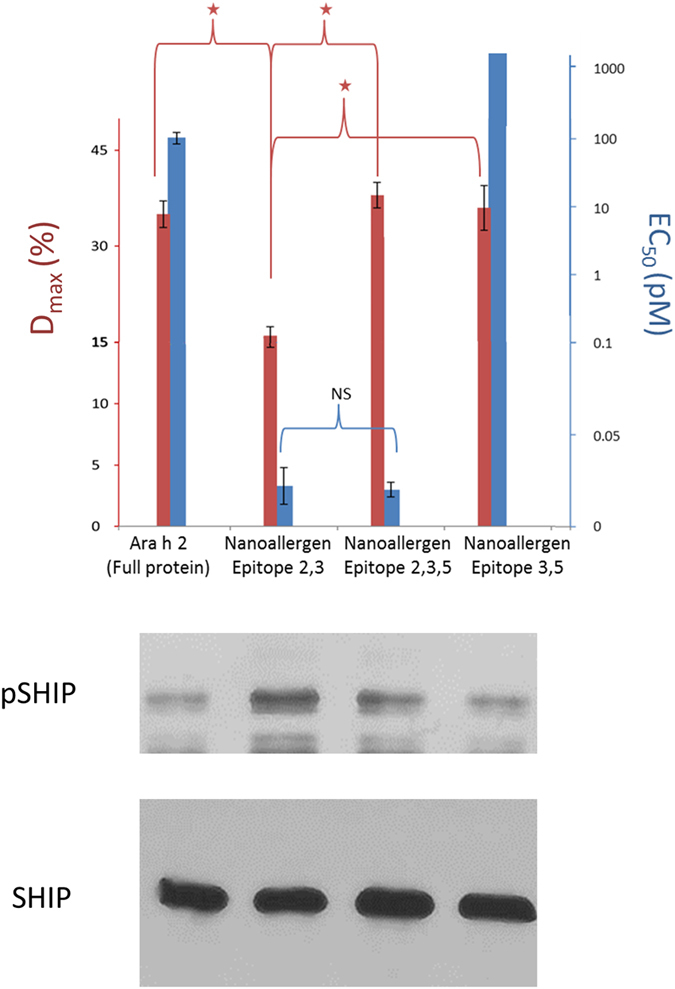
Current methods for detection and diagnosis of allergies do not provide epitope specific immunogenic information and hence lack critical information that could aid in the prediction of clinical responses. To address this issue, we developed a nanoparticle based platform, called nanoallergens that enable multivalent display of potential allergy epitopes for determining the immunogenicity of each IgE binding epitope. By synthesizing nanoallergens that present various epitopes from the major peanut allergen, Ara h2, we directly determined the immunogenicity of each epitope, alone and in combination with other epitopes, using patient sera. This information provided insights on which epitopes are most critical for physiological responses to Ara h2 and revealed the importance of both high and low affinity epitopes for allergic responses. We anticipate the nanoallergen platform to be used to provide information regarding allergic reactions and therefore potentially aid in more accurate diagnosis and design of personalized treatment options.
当前用于检测和诊断过敏的方法不能提供表位特异性的免疫原性信息,因此缺乏可以帮助预测临床反应的关键信息。为了解决这个问题,我们开发了一种基于纳米颗粒的平台,称为纳米过敏原,它能够多价展示潜在的过敏表位,从而确定每个 IgE 结合表位的免疫原性。通过合成呈现主要花生过敏原 Ara h2 中各种表位的纳米过敏原,我们使用患者血清直接确定了每个表位的免疫原性,单独使用和与其他表位联合使用。这些信息提供了关于哪些表位对 Ara h2 的生理反应最重要的见解,并揭示了高亲和性和低亲和性表位对过敏反应的重要性。我们预计纳米过敏原平台将用于提供有关过敏反应的信息,因此有可能有助于更准确的诊断和设计个性化的治疗方案。