Zhang Xiaojin, Lou Xiaoding, Xia Fan
Faculty of Materials Science and Chemistry, China University of Geosciences, Wuhan 430074, P. R. China.
Hubei Key Laboratory of Bioinorganic Chemistry & Materia Medica, School of Chemistry and Chemical Engineering, Huazhong University of Science and Technology, Wuhan 430074, P. R. China.
Theranostics. 2017 Apr 10;7(7):1847-1862. doi: 10.7150/thno.18930. eCollection 2017.
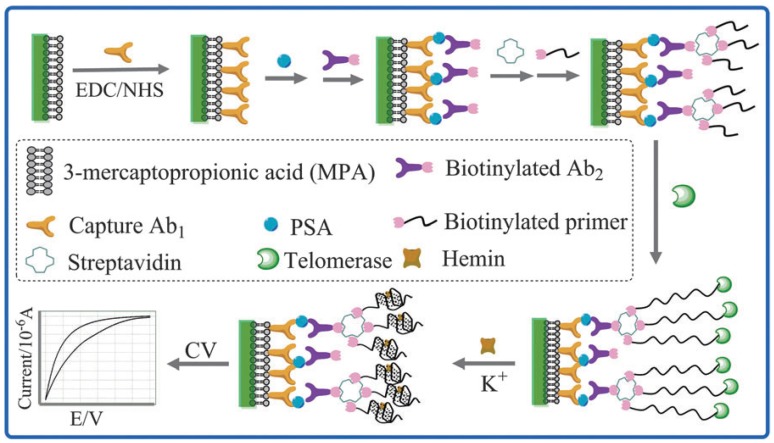
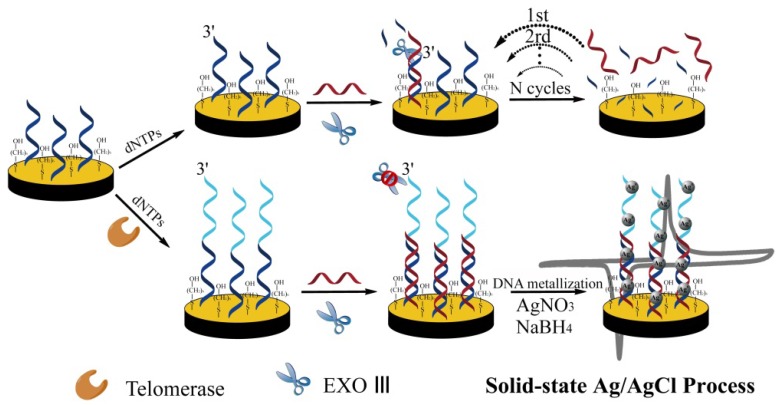
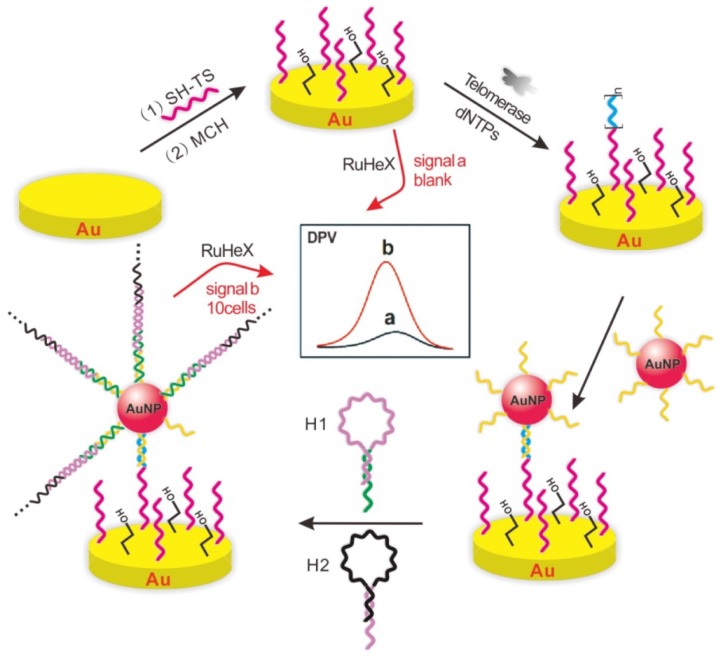
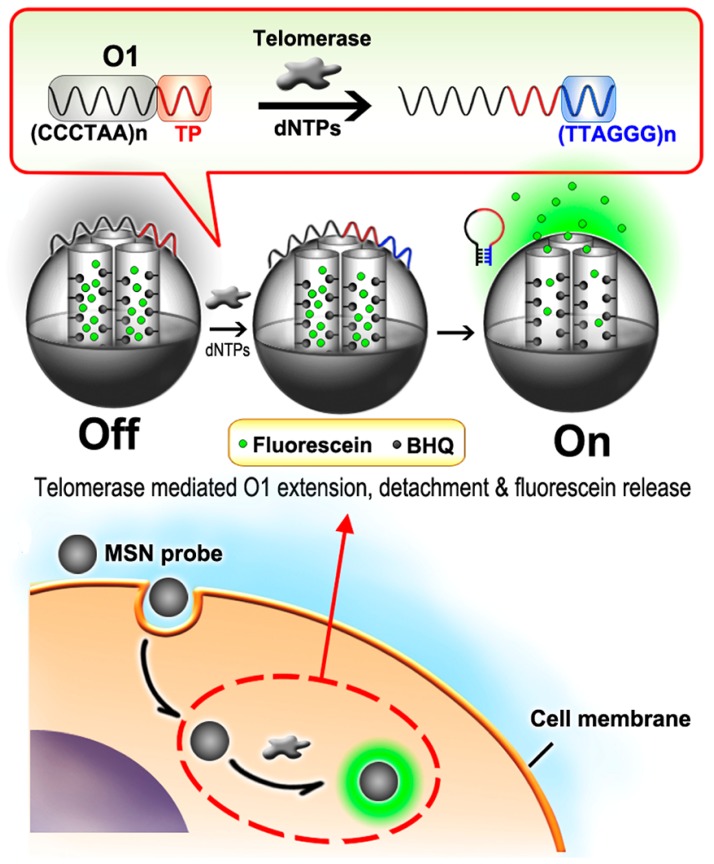
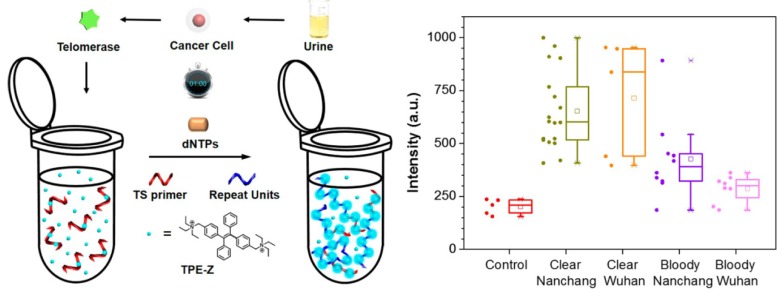
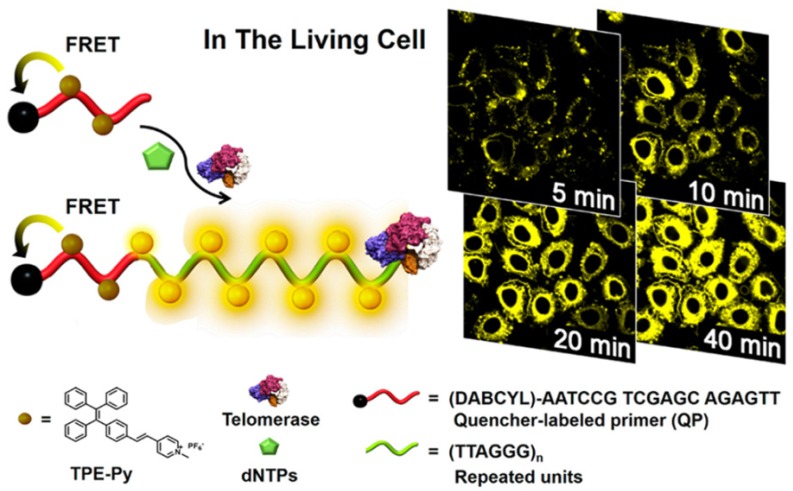
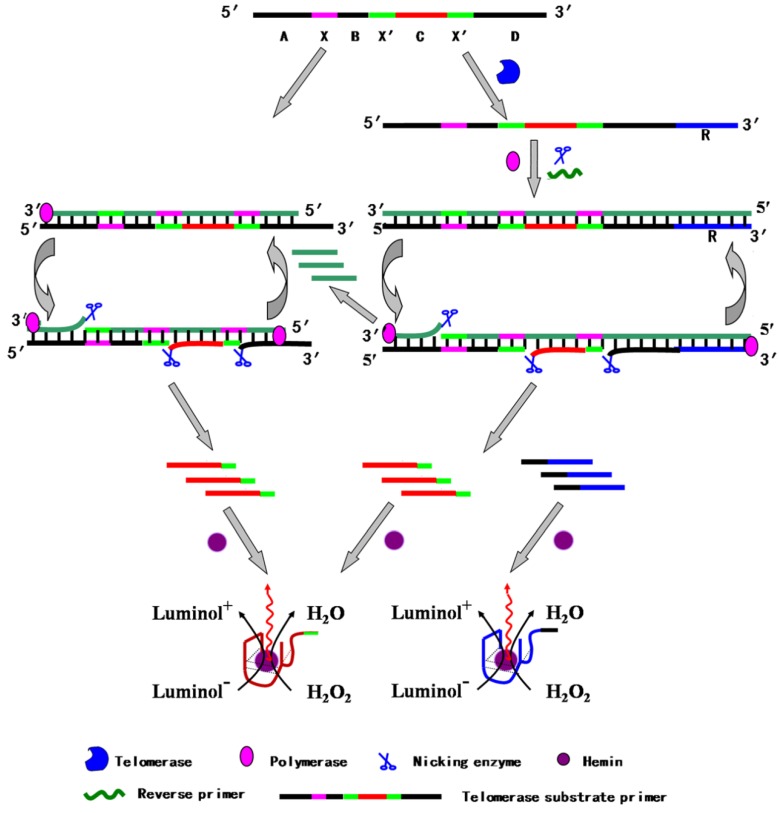
Telomerase plays a significantly important role in keeping the telomere length of a chromosome. Telomerase overexpresses in nearly all tumor cells, suggesting that telomerase could be not only a promising biomarker but also a potential therapeutic target for cancers. Therefore, numerous efforts focusing on the detection of telomerase activity have been reported from polymerase chain reaction (PCR)-based telomeric repeat amplification protocol (TRAP) assays to PCR-free assays such as isothermal amplification in recent decade. In this review, we highlight the strategies for the detection of telomerase activity using isothermal amplification and discuss some of the challenges in designing future telomerase assays as well.
端粒酶在维持染色体端粒长度方面发挥着极其重要的作用。端粒酶在几乎所有肿瘤细胞中均过度表达,这表明端粒酶不仅可能是一种有前景的生物标志物,而且还是癌症的潜在治疗靶点。因此,近十年来,从基于聚合酶链反应(PCR)的端粒重复序列扩增法(TRAP)检测到诸如等温扩增等无需PCR的检测方法,针对端粒酶活性检测已开展了大量研究工作。在本综述中,我们重点介绍了使用等温扩增检测端粒酶活性的策略,并讨论了设计未来端粒酶检测方法时面临的一些挑战。