Anunciado-Koza Rea P, Manuel Justin, Mynatt Randall L, Zhang Jingying, Kozak Leslie P, Koza Robert A
Center for Molecular Medicine, Maine Medical Center Research Institute, Scarborough, Maine, United States of America.
Transgenics Core Facility, Pennington Biomedical Research Center, LSU System, Baton Rouge, Louisiana, United States of America.
PLoS One. 2017 Jun 22;12(6):e0179879. doi: 10.1371/journal.pone.0179879. eCollection 2017.
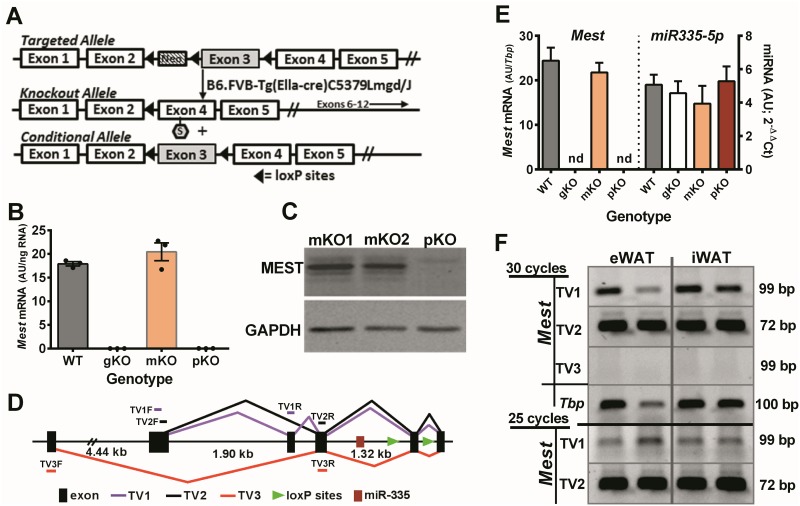
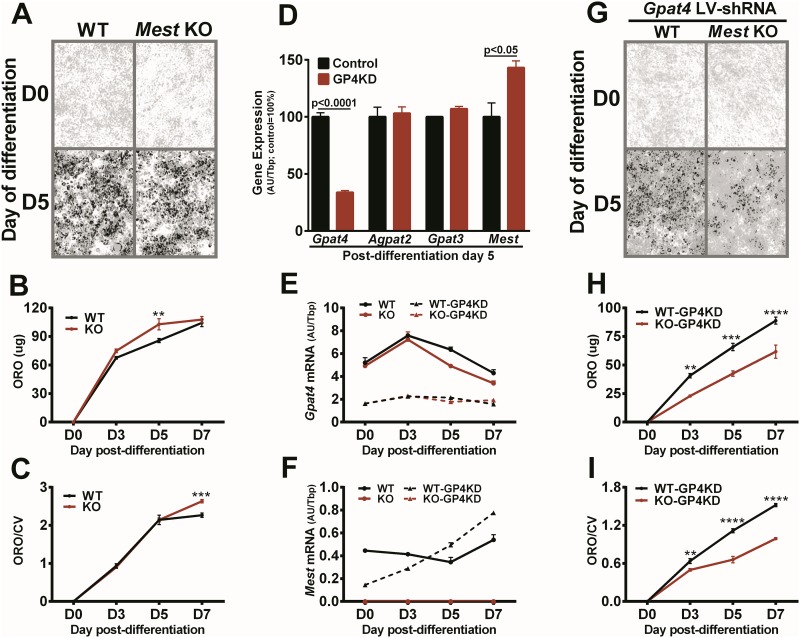
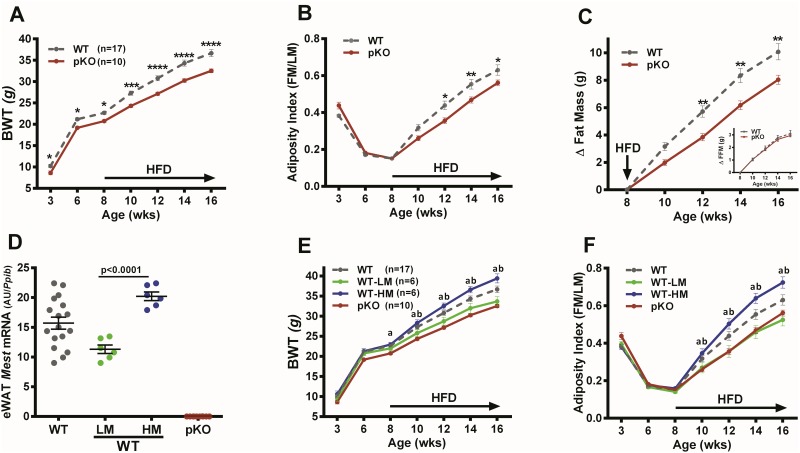
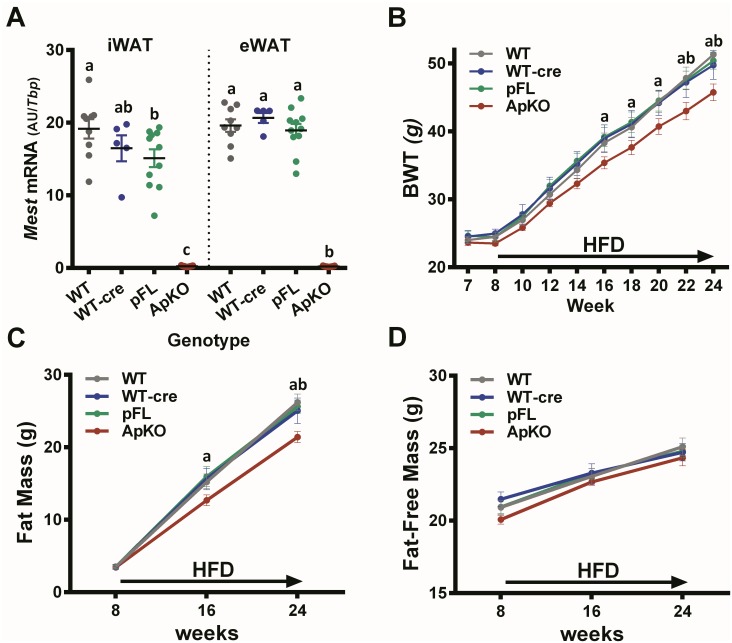
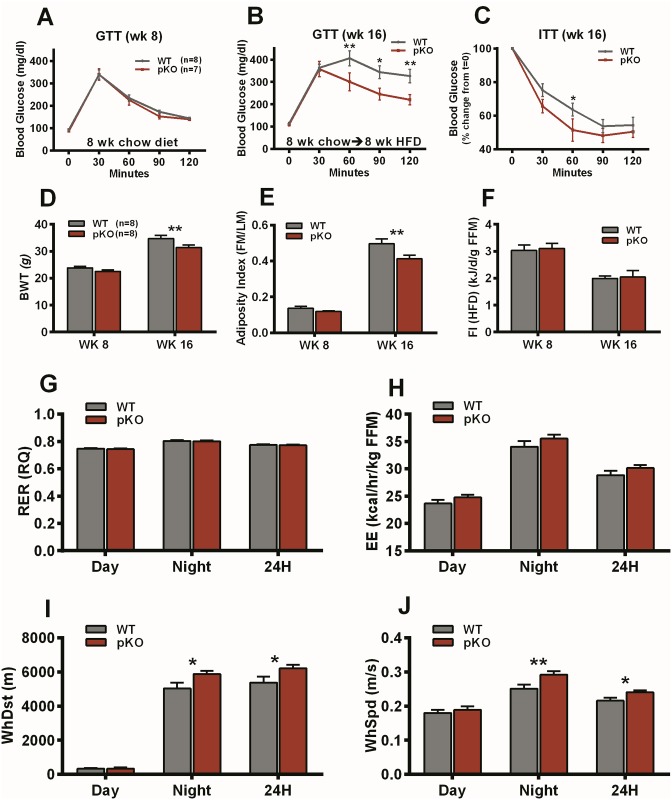
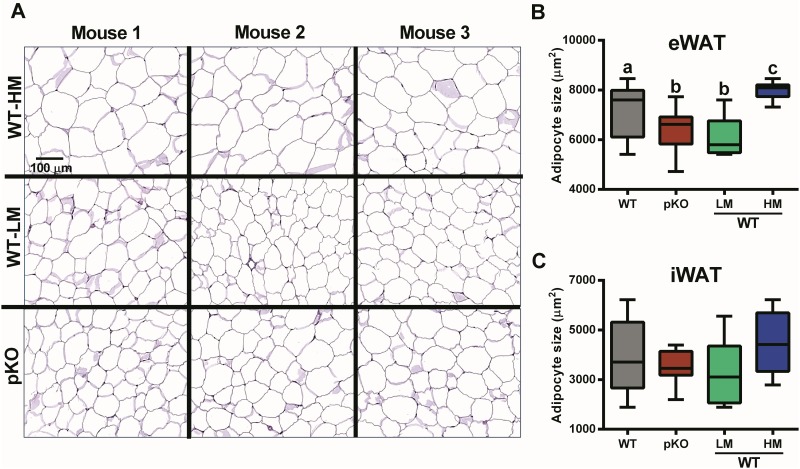
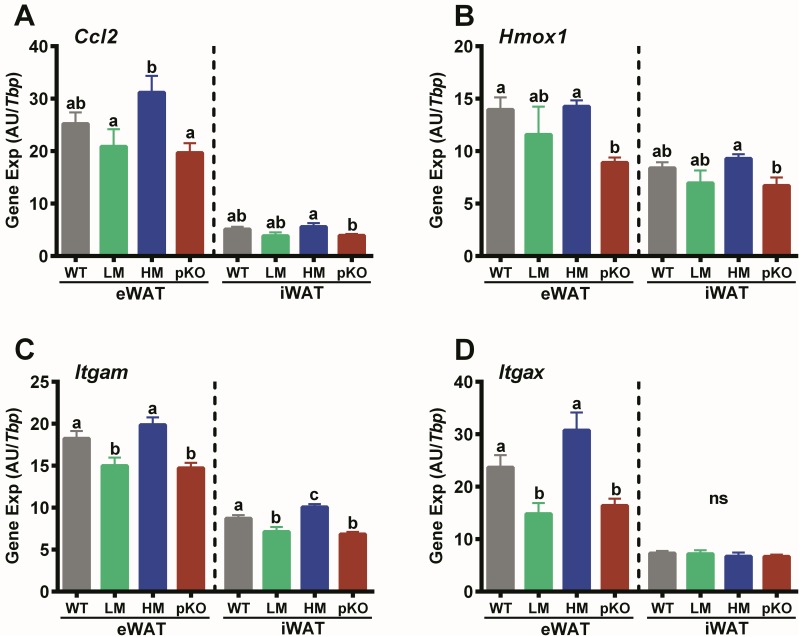
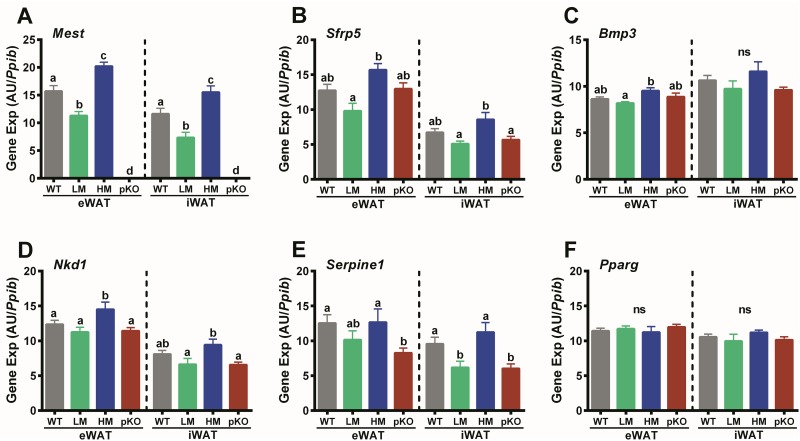
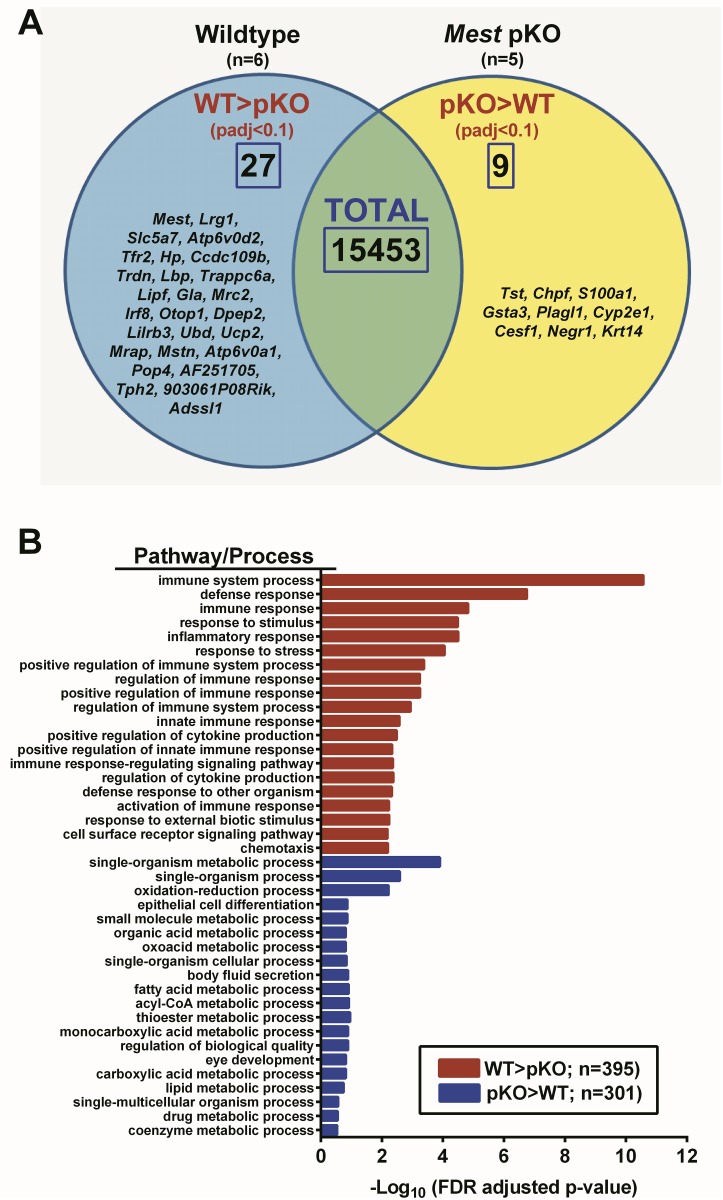
Interindividual variation of white adipose tissue (WAT) expression of mesoderm specific transcript (Mest), a paternally-expressed imprinted gene belonging to the α/β-hydrolase fold protein family, becomes apparent among genetically inbred mice fed high fat diet (HFD) and is positively associated with adipose tissue expansion (ATE). To elucidate a role for MEST in ATE, mice were developed with global and adipose tissue inactivation of Mest. Mice with homozygous (MestgKO) and paternal allelic (MestpKO) inactivation of Mest were born at expected Mendelian frequencies, showed no behavioral or physical abnormalities, and did not perturb expression of the Mest locus-derived microRNA miR-335. MestpKO mice fed HFD showed reduced ATE and adipocyte hypertrophy, improved glucose tolerance, and reduced WAT expression of genes associated with hypoxia and inflammation compared to littermate controls. Remarkably, caloric intake and energy expenditure were unchanged between genotypes. Mice with adipose tissue inactivation of Mest were phenotypically similar to MestpKO, supporting a role for WAT MEST in ATE. Global profiling of WAT gene expression of HFD-fed control and MestpKO mice detected few differences between genotypes; nevertheless, genes with reduced expression in MestpKO mice were associated with immune processes and consistent with improved glucose homeostasis. Ear-derived mesenchymal stem cells (EMSC) from MestgKO mice showed no differences in adipogenic differentiation compared to control cells unless challenged by shRNA knockdown of Gpat4, an enzyme that mediates lipid accumulation in adipocytes. Reduced adipogenic capacity of EMSC from MestgKO after Gpat4 knockdown suggests that MEST facilitates lipid accumulation in adipocytes. Our data suggests that reduced diet-induced ATE in MEST-deficient mice diminishes hypoxia and inflammation in WAT leading to improved glucose tolerance and insulin sensitivity. Since inactivation of Mest in mice has minimal additional effects aside from reduction of ATE, an intervention that mitigates MEST function in adipocytes is a plausible strategy to obviate obesity and type-2-diabetes.
中胚层特异性转录物(Mest)是一种父系表达的印记基因,属于α/β-水解酶折叠蛋白家族,在高脂饮食(HFD)喂养的遗传近交小鼠中,白色脂肪组织(WAT)中Mest的表达存在个体间差异,且与脂肪组织扩张(ATE)呈正相关。为了阐明MEST在ATE中的作用,构建了Mest基因在全身和脂肪组织中失活的小鼠模型。Mest纯合失活(MestgKO)和父本等位基因失活(MestpKO)的小鼠出生频率符合孟德尔预期,未表现出行为或身体异常,也未干扰源自Mest基因座的微小RNA miR-335的表达。与同窝对照相比,喂食HFD的MestpKO小鼠的ATE和脂肪细胞肥大减少,葡萄糖耐量改善,与缺氧和炎症相关的WAT基因表达降低。值得注意的是,不同基因型之间的热量摄入和能量消耗没有变化。Mest在脂肪组织中失活的小鼠在表型上与MestpKO相似,支持WAT MEST在ATE中的作用。对喂食HFD的对照小鼠和MestpKO小鼠的WAT基因表达进行全局分析,发现不同基因型之间差异不大;然而,MestpKO小鼠中表达降低的基因与免疫过程相关,且与改善的葡萄糖稳态一致。来自MestgKO小鼠的耳源间充质干细胞(EMSC)与对照细胞相比,在成脂分化方面没有差异,除非通过shRNA敲低Gpat4(一种介导脂肪细胞脂质积累的酶)进行挑战。Gpat4敲低后,MestgKO小鼠的EMSC成脂能力降低,这表明MEST促进脂肪细胞中的脂质积累。我们的数据表明,MEST缺陷小鼠中饮食诱导的ATE减少,可减轻WAT中的缺氧和炎症,从而改善葡萄糖耐量和胰岛素敏感性。由于在小鼠中失活Mest除了减少ATE外几乎没有其他额外影响,因此减轻脂肪细胞中MEST功能的干预措施是避免肥胖和2型糖尿病的一种可行策略。