Graham Thomas G W, Walter Johannes C, Loparo Joseph J
Harvard Medical School, Boston, MA, United States.
Harvard Medical School, Boston, MA, United States; Howard Hughes Medical Institute, Harvard Medical School, Boston, MA, United States.
Methods Enzymol. 2017;591:233-270. doi: 10.1016/bs.mie.2017.03.020. Epub 2017 May 15.
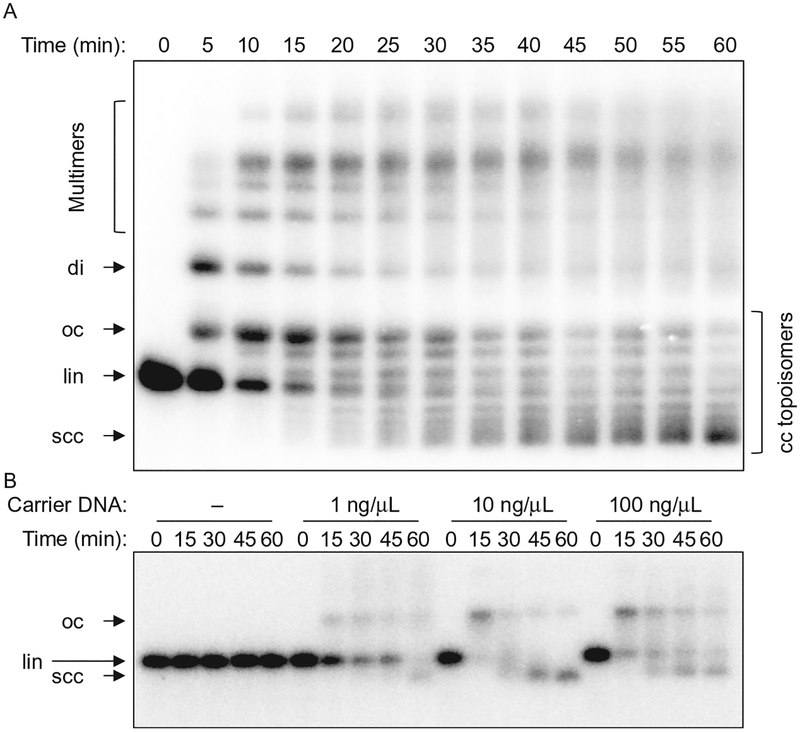
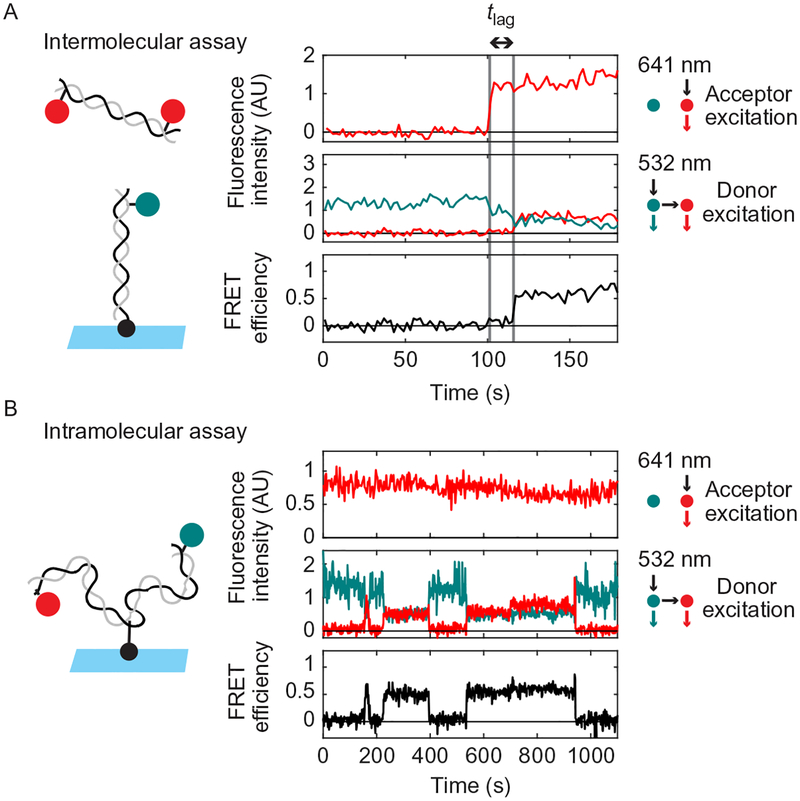
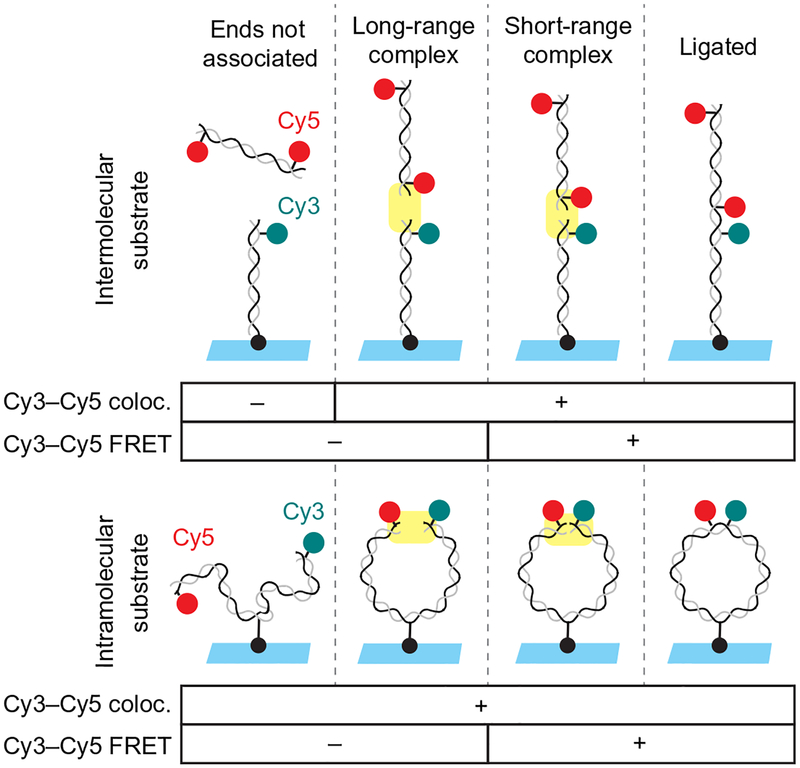
Non-homologous end joining (NHEJ) repairs the majority of DNA double-strand breaks in human cells, yet the detailed order of events in this process has remained obscure. Here, we describe how to employ Xenopus laevis egg extract for the study of NHEJ. The egg extract is easy to prepare in large quantities, and it performs efficient end joining that requires the core end joining proteins Ku, DNA-PKcs, XLF, XRCC4, and DNA ligase IV. These factors, along with the rest of the soluble proteome, are present at endogenous concentrations, allowing mechanistic analysis in a system that begins to approximate the complexity of cellular end joining. We describe an ensemble assay that monitors covalent joining of DNA ends and fluorescence assays that detect joining of single pairs of DNA ends. The latter assay discerns at least two discrete intermediates in the bridging of DNA ends.
非同源末端连接(NHEJ)修复人类细胞中大部分的DNA双链断裂,但该过程中详细的事件顺序仍不清楚。在这里,我们描述了如何利用非洲爪蟾卵提取物来研究NHEJ。卵提取物易于大量制备,并且能进行高效的末端连接,这需要核心末端连接蛋白Ku、DNA-PKcs、XLF、XRCC4和DNA连接酶IV。这些因子以及其余的可溶性蛋白质组以内源性浓度存在,从而能够在一个开始接近细胞末端连接复杂性的系统中进行机制分析。我们描述了一种监测DNA末端共价连接的整体测定法以及检测单对DNA末端连接的荧光测定法。后一种测定法能够识别DNA末端桥接过程中至少两种不同的中间体。