Petersen Wolf, Rembitzki Ingo, Liebau Christian
Department of Orthopaedic and Trauma Surgery, Martin Luther Hospital, Grunewald, Berlin.
German Sport University Cologne.
Open Access J Sports Med. 2017 Jun 12;8:143-154. doi: 10.2147/OAJSM.S133406. eCollection 2017.
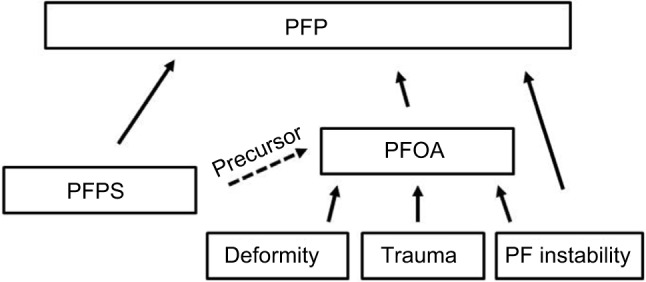
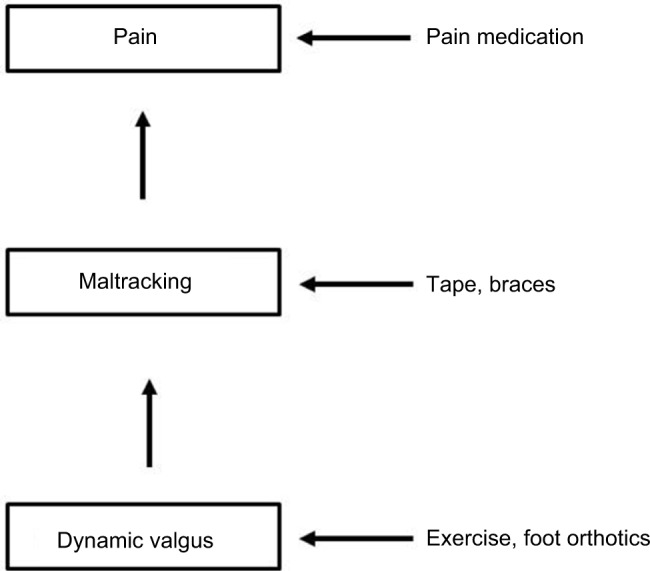
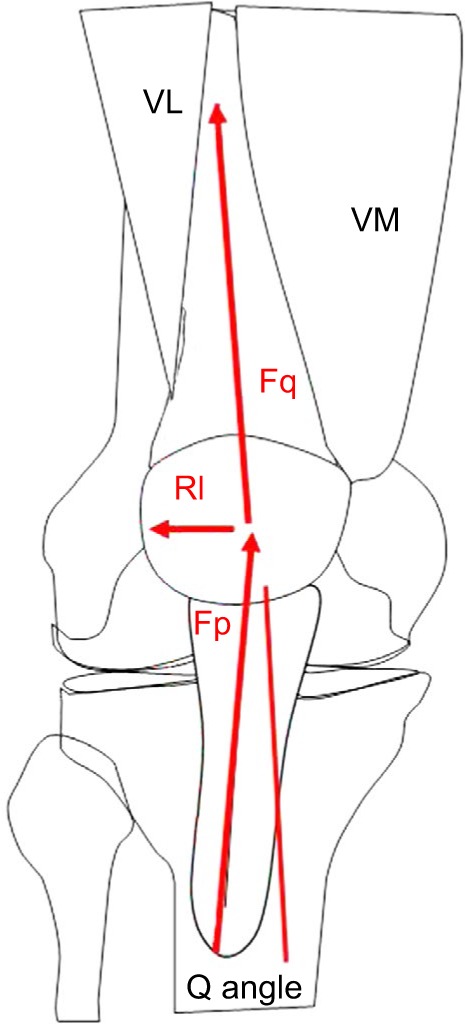
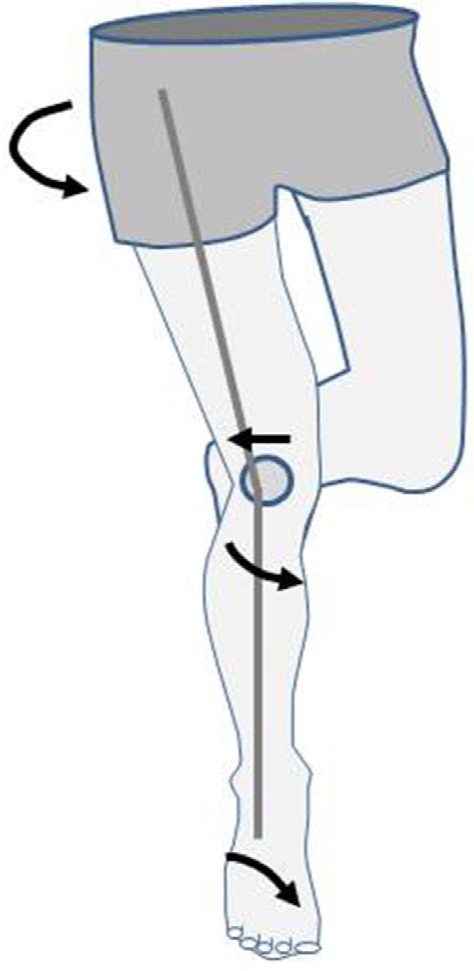
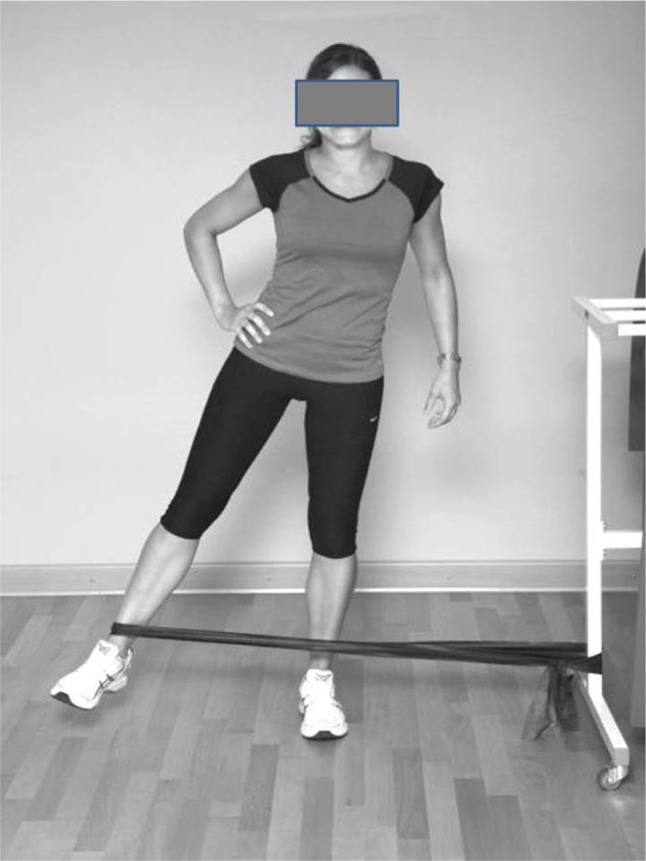
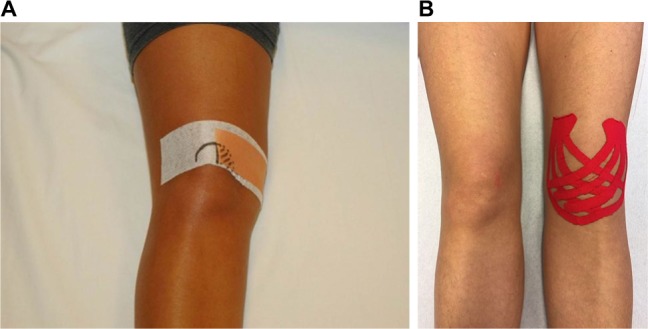
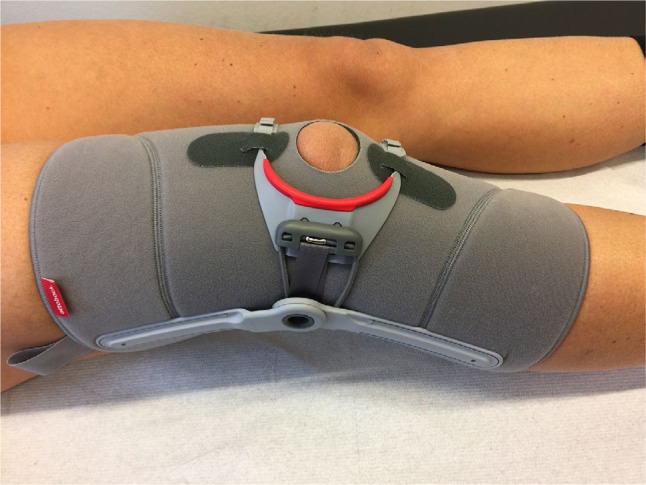
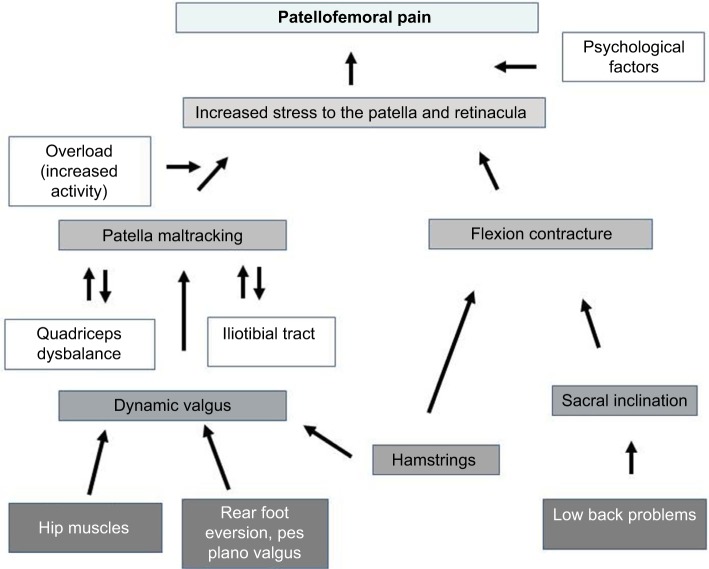
Patellofemoral pain (PFP) is a frequent cause of anterior knee pain in athletes, which affects patients with and without structural patellofemoral joint (PFJ) damage. Most younger patients do not have any structural changes to the PFJ, such as an increased Q angle and a cartilage damage. This clinical entity is known as patellofemoral pain syndrome (PFPS). Older patients usually present with signs of patellofemoral osteoarthritis (PFOA). A key factor in PFPS development is dynamic valgus of the lower extremity, which leads to lateral patellar maltracking. Causes of dynamic valgus include weak hip muscles and rearfoot eversion with pes pronatus valgus. These factors can also be observed in patients with PFOA. The available evidence suggests that patients with PFP are best managed with a tailored, multimodal, nonoperative treatment program that includes short-term pain relief with nonsteroidal anti-inflammatory drugs (NSAIDs), passive correction of patellar maltracking with medially directed tape or braces, correction of the dynamic valgus with exercise programs that target the muscles of the lower extremity, hip, and trunk, and the use of foot orthoses in patients with additional foot abnormalities.
髌股疼痛(PFP)是运动员前膝疼痛的常见原因,影响有或无髌股关节(PFJ)结构损伤的患者。大多数年轻患者的PFJ没有任何结构变化,如Q角增大和软骨损伤。这种临床病症被称为髌股疼痛综合征(PFPS)。老年患者通常表现出髌股骨关节炎(PFOA)的症状。PFPS发展的一个关键因素是下肢动态外翻,这会导致髌骨外侧轨迹异常。动态外翻的原因包括髋部肌肉无力以及伴有旋前外翻足的后足外翻。在PFOA患者中也可观察到这些因素。现有证据表明,PFP患者最好采用量身定制的多模式非手术治疗方案,包括使用非甾体抗炎药(NSAIDs)短期缓解疼痛、使用内侧定向胶带或支具被动纠正髌骨轨迹异常、通过针对下肢、髋部和躯干肌肉的运动计划纠正动态外翻,以及在有额外足部异常的患者中使用足部矫形器。