Chorghade Sandip, Seimetz Joseph, Emmons Russell, Yang Jing, Bresson Stefan M, Lisio Michael De, Parise Gianni, Conrad Nicholas K, Kalsotra Auinash
Department of Biochemistry, University of Illinois, Illinois, United States.
Department of Kinesiology and Community Health, University of Illinois, Illinois, United States.
Elife. 2017 Jun 27;6:e24139. doi: 10.7554/eLife.24139.
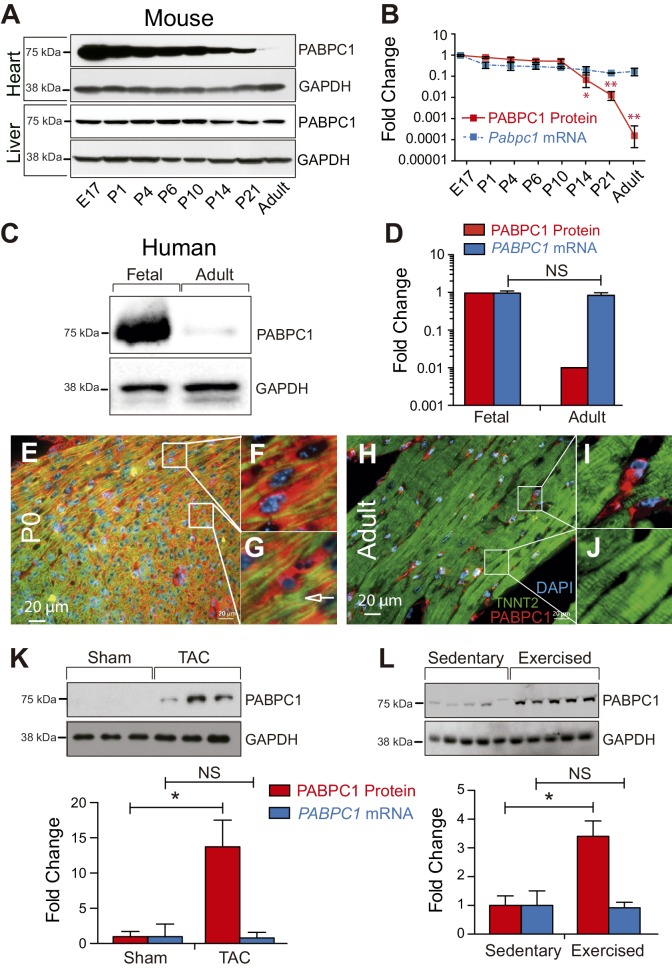
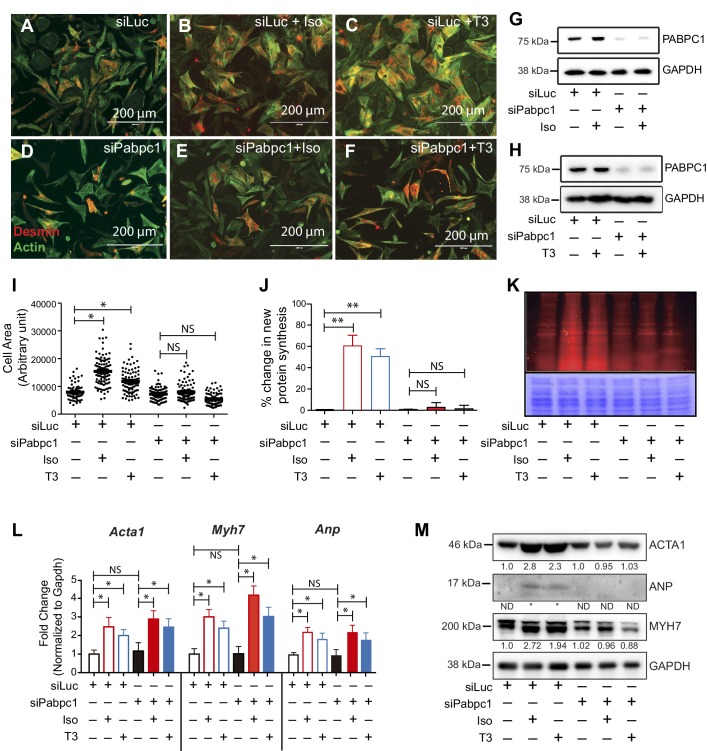
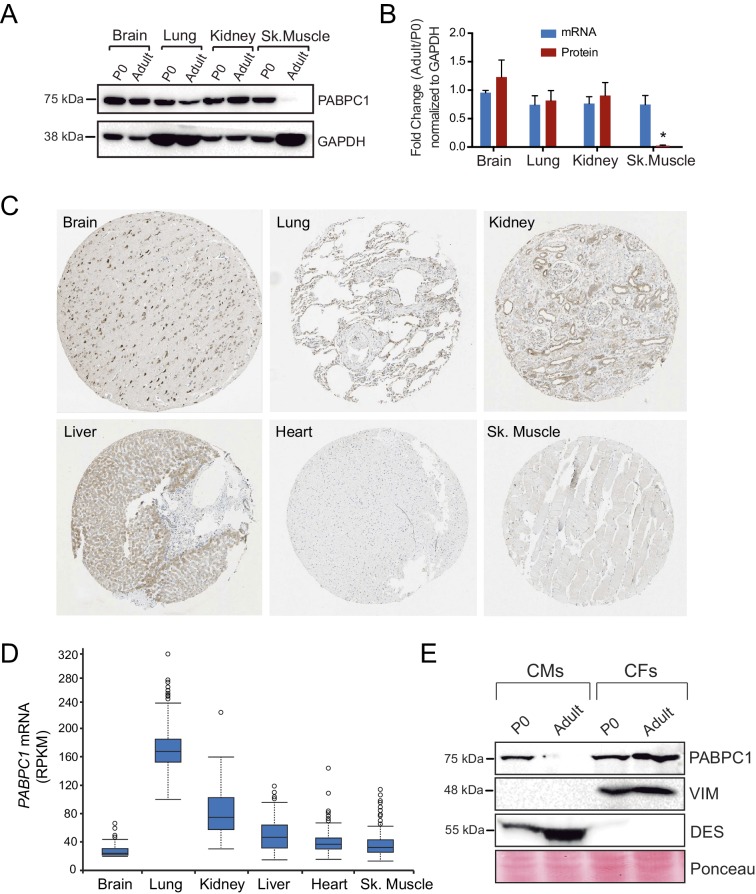
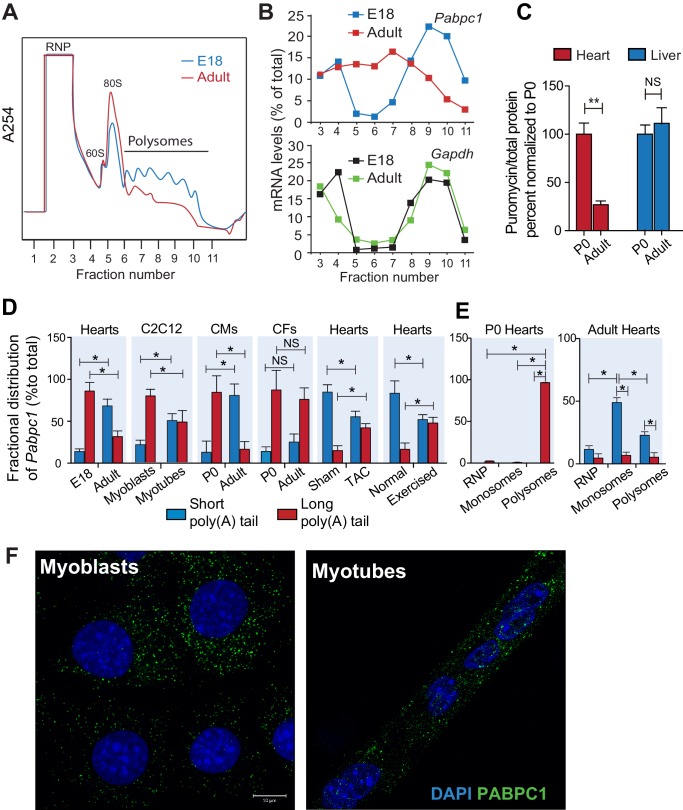
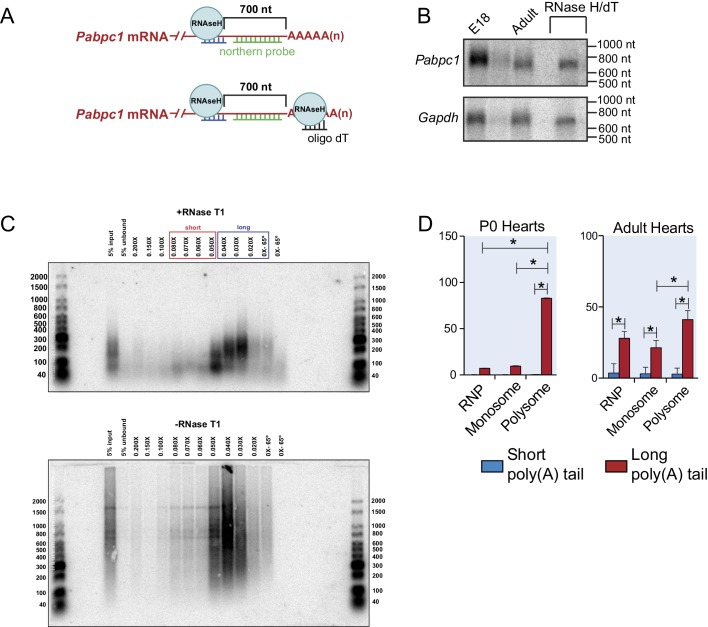
The rate of protein synthesis in the adult heart is one of the lowest in mammalian tissues, but it increases substantially in response to stress and hypertrophic stimuli through largely obscure mechanisms. Here, we demonstrate that regulated expression of cytosolic poly(A)-binding protein 1 (PABPC1) modulates protein synthetic capacity of the mammalian heart. We uncover a poly(A) tail-based regulatory mechanism that dynamically controls PABPC1 protein synthesis in cardiomyocytes and thereby titrates cellular translation in response to developmental and hypertrophic cues. Our findings identify PABPC1 as a direct regulator of cardiac hypertrophy and define a new paradigm of gene regulation in the heart, where controlled changes in poly(A) tail length influence mRNA translation.
成年心脏中蛋白质合成的速率是哺乳动物组织中最低的之一,但在应激和肥大刺激下,其通过很大程度上尚不清楚的机制大幅增加。在这里,我们证明胞质聚腺苷酸结合蛋白1(PABPC1)的调控表达调节哺乳动物心脏的蛋白质合成能力。我们发现了一种基于聚腺苷酸尾的调控机制,该机制动态控制心肌细胞中PABPC1的蛋白质合成,从而根据发育和肥大信号调节细胞翻译。我们的研究结果确定PABPC1是心脏肥大的直接调节因子,并定义了心脏基因调控的新模式,即聚腺苷酸尾长度的可控变化影响mRNA翻译。