Xie Ping, Chen Hong
School of Materials Science and Energy Engineering, FoShan University, Guangdong, 528000, China.
Key Laboratory of Soft Matter Physics and Beijing National Laboratory for Condensed Matter Physics, Institute of Physics, Chinese Academy of Sciences, Beijing 100190, China.
Int J Biol Sci. 2017 May 16;13(6):712-722. doi: 10.7150/ijbs.19508. eCollection 2017.
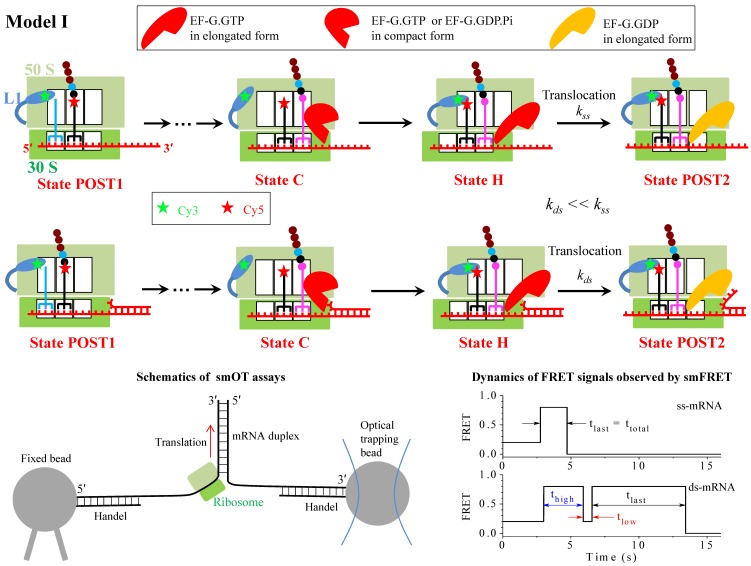
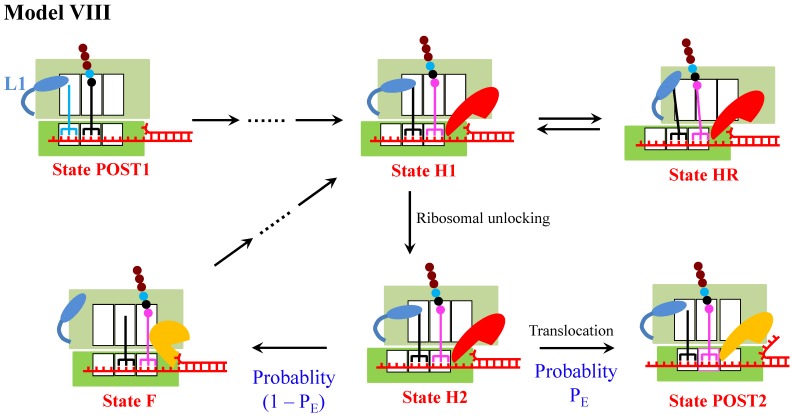
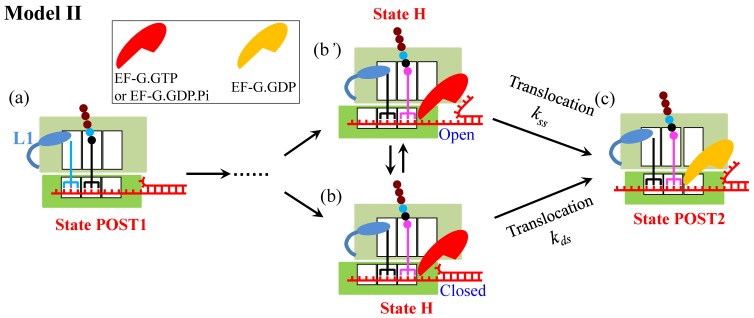
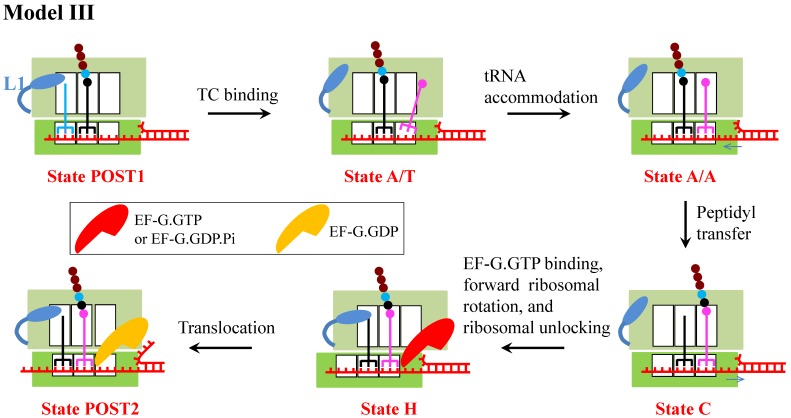
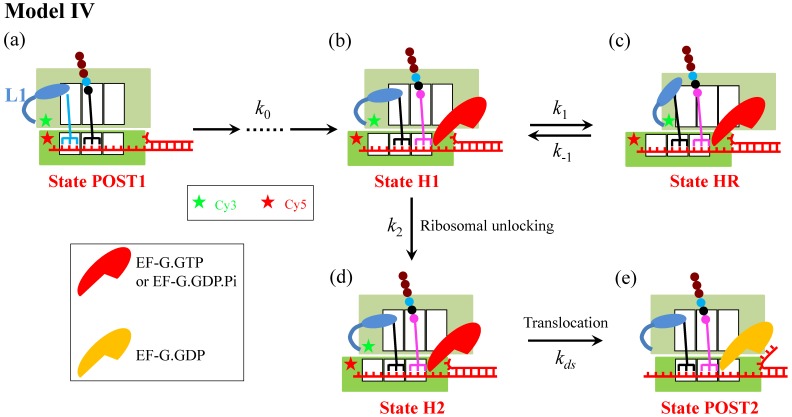
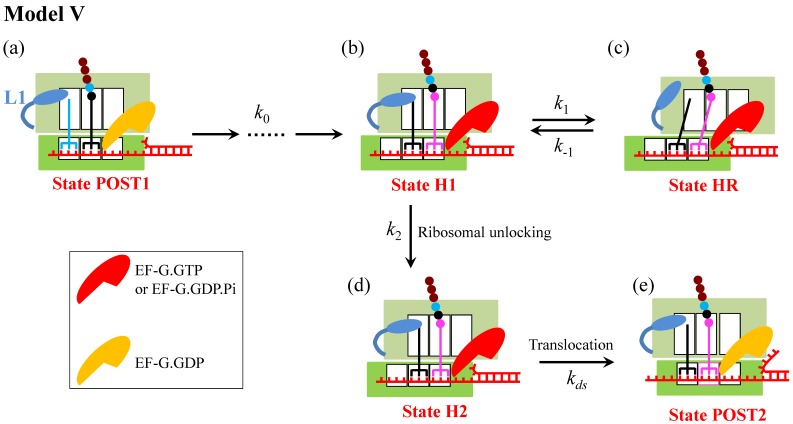
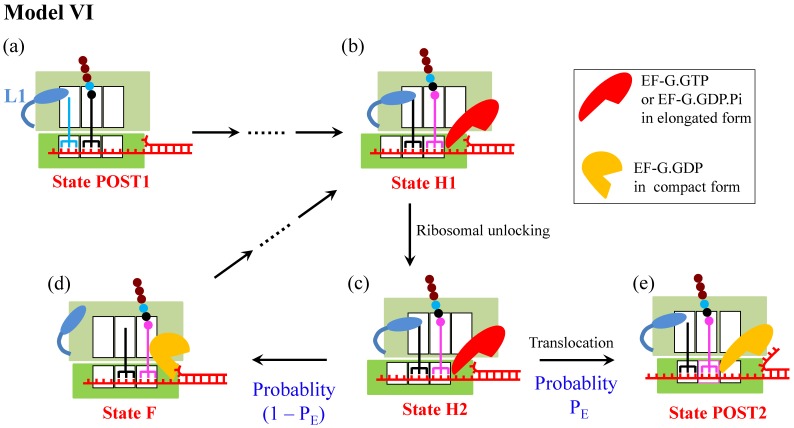
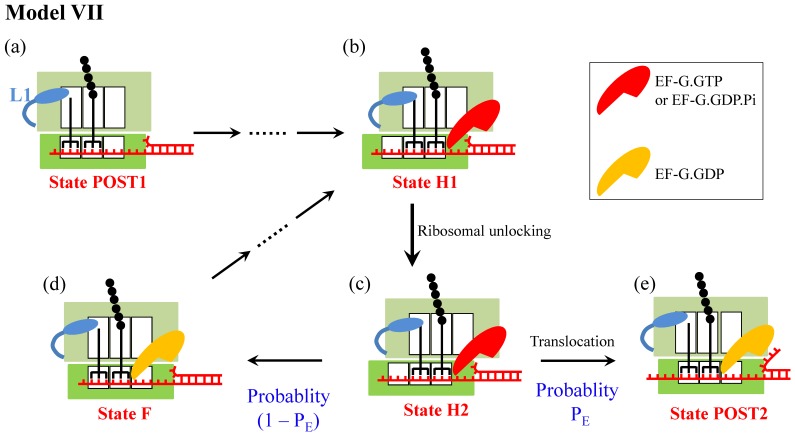
A ribosome is a macromolecular machine that is responsible for translating the genetic codes in messenger RNA (mRNA) into polypeptide chains. It has been determined that besides translating through the single-stranded region, the ribosome can also translate through the duplex region of mRNA by unwinding the duplex. To understand the mechanism of ribosome translation through the duplex, several models have been proposed to study the dynamics of mRNA unwinding. Here, we present a comprehensive review of these models and also discuss other possible models. We evaluate each model and discuss the consistency and/or inconsistency between the theoretical results that are obtained based on each model and the available experimental data, thus determining which model is the most reasonable one to describe the mRNA unwinding mechanism and dynamics of the ribosome. Moreover, a framework for future studies in this subject is provided.
核糖体是一种大分子机器,负责将信使核糖核酸(mRNA)中的遗传密码翻译成多肽链。现已确定,核糖体除了能通过单链区域进行翻译外,还能通过解开双链来翻译mRNA的双链区域。为了理解核糖体通过双链进行翻译的机制,人们提出了几种模型来研究mRNA解旋的动力学。在此,我们对这些模型进行全面综述,并讨论其他可能的模型。我们评估每个模型,并讨论基于每个模型获得的理论结果与现有实验数据之间的一致性和/或不一致性,从而确定哪个模型是描述mRNA解旋机制和核糖体动力学的最合理模型。此外,还提供了该主题未来研究的框架。