Mawri Sagger, Gildeh Edward, Joseph Namita, Rabbani Bobak, Zweig Bryan
Heart & Vascular Institute, Henry Ford Hospital, Detroit, MI, USA.
Department of Medicine, Henry Ford Hospital, Detroit, MI, USA.
Case Rep Cardiol. 2017;2017:6250312. doi: 10.1155/2017/6250312. Epub 2017 Jun 5.
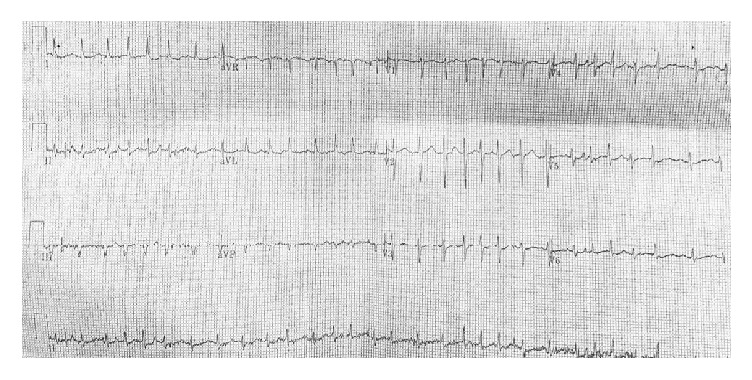
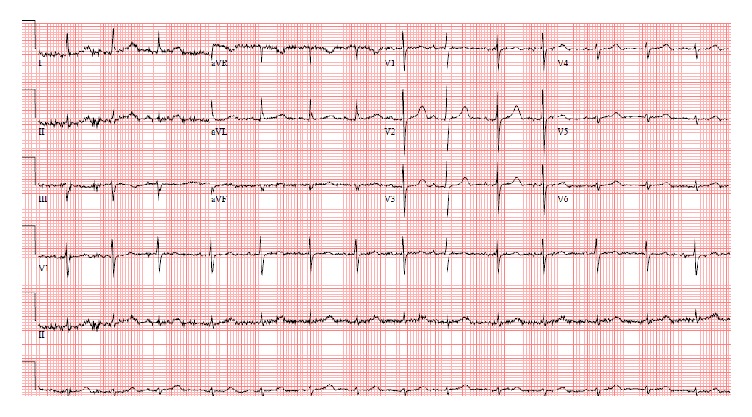
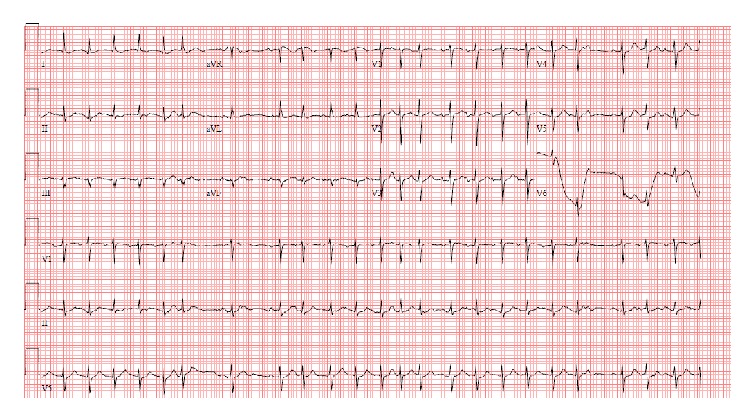
Magnesium is the second most common intracellular cation and serves as an important metabolic cofactor to over 300 enzymatic reactions throughout the human body. Among its various roles, magnesium modulates calcium entry and release from sarcoplasmic reticulum and regulates ATP pumps in myocytes and neurons, thereby regulating cardiac and neuronal excitability. Therefore, deficiency of this essential mineral may result in serious cardiovascular and neurologic derangements. In this case, we present the clinical course of a 76-year-old woman who presented with marked cardiac and neurological signs and symptoms which developed as a result of severe hypomagnesemia. The patient promptly responded to magnesium replacement once the diagnosis was established. We herein discuss the clinical presentation, pathophysiology, diagnosis, and management of severe hypomagnesemia and emphasize the implications of magnesium deficiency in the cardiovascular and central nervous systems. Furthermore, this case highlights the importance of having high vigilance for hypomagnesemia in the appropriate clinical setting.
镁是细胞内第二常见的阳离子,是人体300多种酶促反应的重要代谢辅助因子。在其多种作用中,镁调节钙离子进入和从肌浆网释放,并调节心肌细胞和神经元中的ATP泵,从而调节心脏和神经元的兴奋性。因此,这种必需矿物质的缺乏可能导致严重的心血管和神经紊乱。在此,我们介绍一名76岁女性的临床病程,她因严重低镁血症出现明显的心脏和神经体征及症状。一旦确诊,患者迅速对补充镁做出反应。我们在此讨论严重低镁血症的临床表现、病理生理学、诊断和管理,并强调镁缺乏在心血管和中枢神经系统中的影响。此外,该病例突出了在适当临床环境中对低镁血症保持高度警惕的重要性。