Azuma Hiroshi, Fujihara Mitsuhiro, Sakai Hiromi
Department of Pediatrics, Asahikawa Medical University, Asahikawa 078-8510, Japan.
Japanese Red Cross, Hokkaido Block Blood Center, Sapporo 063-0802, Japan.
J Funct Biomater. 2017 Jun 28;8(3):24. doi: 10.3390/jfb8030024.
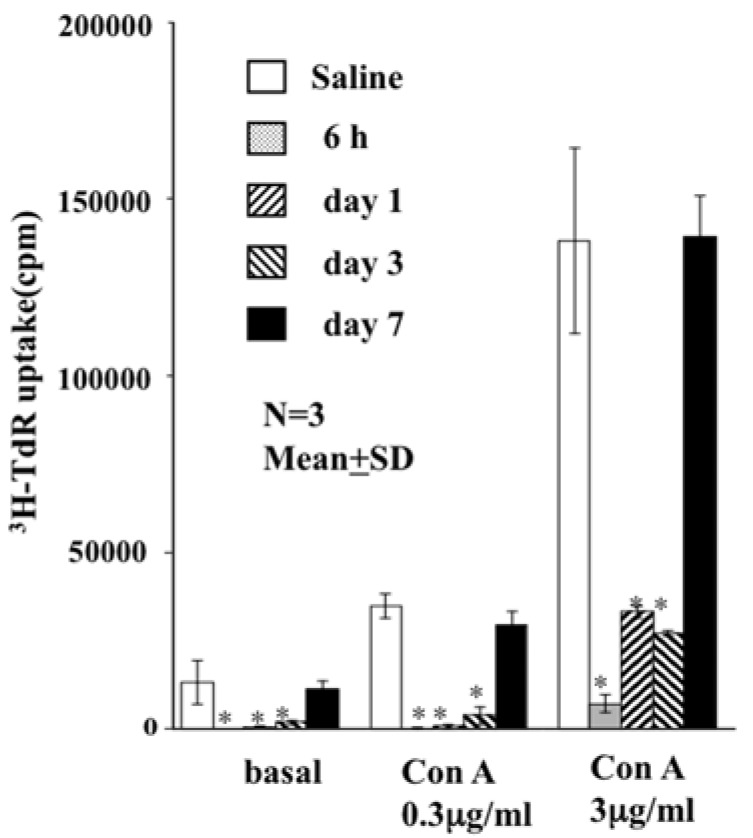
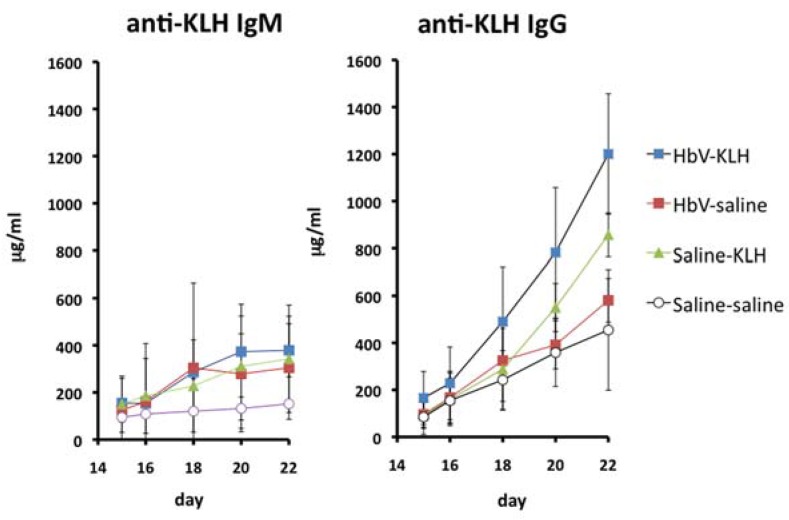
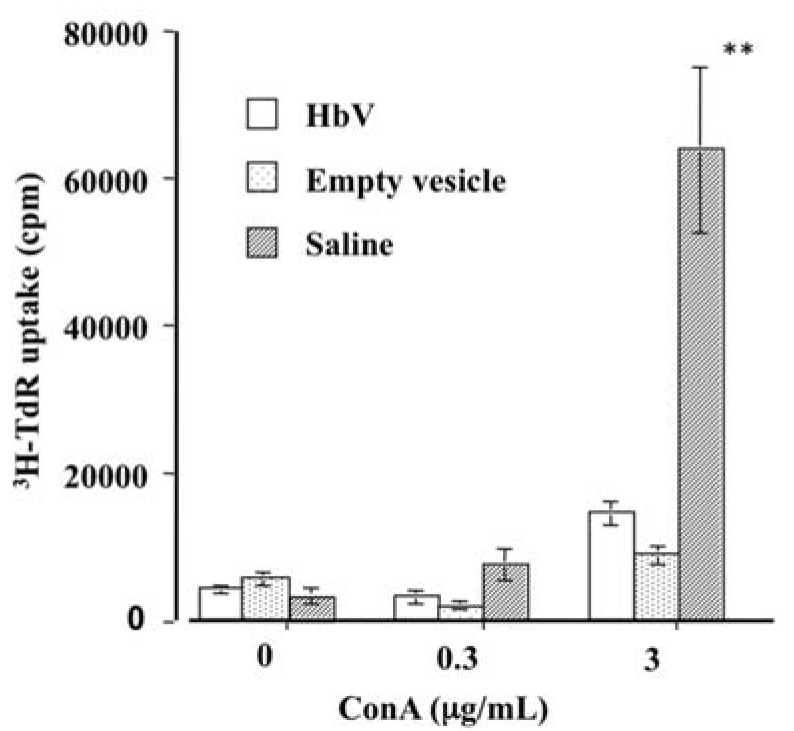
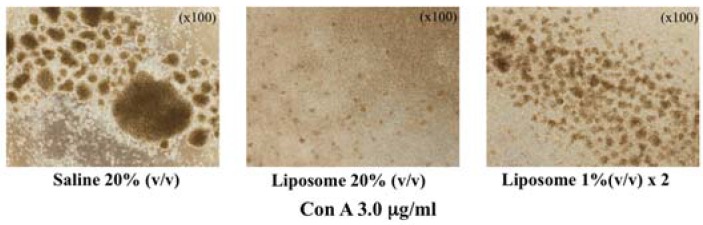
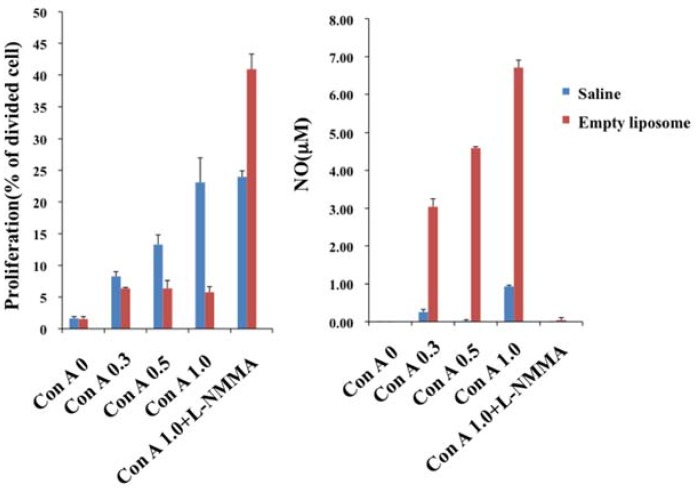
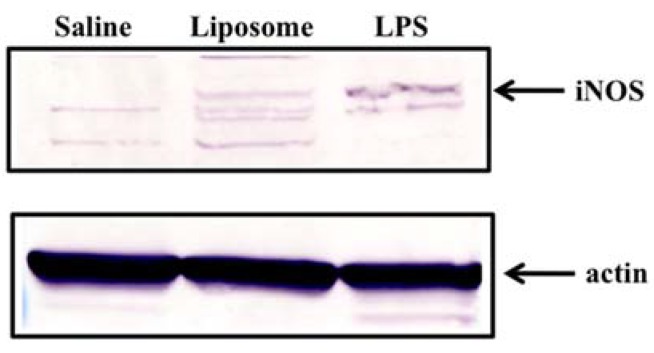
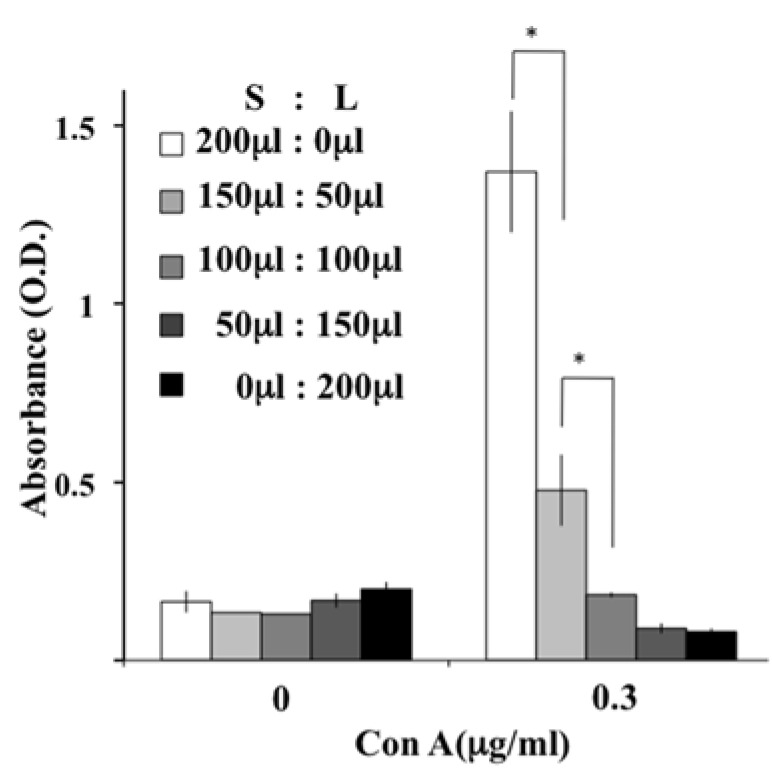
Hemoglobin vesicles (HbVs) are oxygen carriers consisting of Hb molecules and liposome in which human hemoglobin (Hb) molecules are encapsulated. Investigations of HbV biocompatibility have shown that HbVs have no significant effect on either the quality or quantity of blood components such as RBC, WBC, platelets, complements, or coagulation factors, reflecting its excellent biocompatibility. However, their effects on the immune system remain to be evaluated. HbVs might affect the function of macrophages because they accumulate in the reticuloendothelial system. Results show that splenic T cell proliferation is suppressed after injection of not only HbV but also empty liposome into rat, and show that macrophages that internalized liposomal particles are responsible for the suppression. However, the effect is transient. Antibody production is entirely unaffected. Further investigation revealed that those macrophages were similar to myeloid-derived suppressor cells (MDSCs) in terms of morphology, cell surface markers, and the immune-suppression mechanism. Considering that MDSCs appear in various pathological conditions, the appearance of MDSC-like cells might reflect the physiological immune system response against the substantial burden of liposomal microparticles. Therefore, despite the possible induction of immunosuppressive cells, HbVs are an acceptable and promising candidate for use as a blood substitute in a clinical setting.
血红蛋白囊泡(HbV)是由血红蛋白(Hb)分子和包裹有人类血红蛋白(Hb)分子的脂质体组成的氧载体。对HbV生物相容性的研究表明,HbV对红细胞、白细胞、血小板、补体或凝血因子等血液成分的质量或数量均无显著影响,这反映出其具有出色的生物相容性。然而,它们对免疫系统的影响仍有待评估。HbV可能会影响巨噬细胞的功能,因为它们会在网状内皮系统中蓄积。结果显示,向大鼠注射HbV以及空脂质体后,脾脏T细胞增殖均受到抑制,且表明内化脂质体颗粒的巨噬细胞是造成这种抑制的原因。不过,这种影响是短暂的。抗体产生则完全不受影响。进一步研究发现,这些巨噬细胞在形态、细胞表面标志物和免疫抑制机制方面与髓系来源的抑制性细胞(MDSC)相似。鉴于MDSC会在各种病理状况下出现,MDSC样细胞的出现可能反映了生理免疫系统对脂质体微粒大量负荷的反应。因此,尽管可能会诱导免疫抑制细胞,但在临床环境中,HbV仍是一种可接受且有前景的血液替代品候选物。