Marciniak Stefan J
Cambridge Institute for Medical Research, University of Cambridge, Cambridge, UK
Eur Respir Rev. 2017 Jun 28;26(144). doi: 10.1183/16000617.0018-2017. Print 2017 Jun 30.
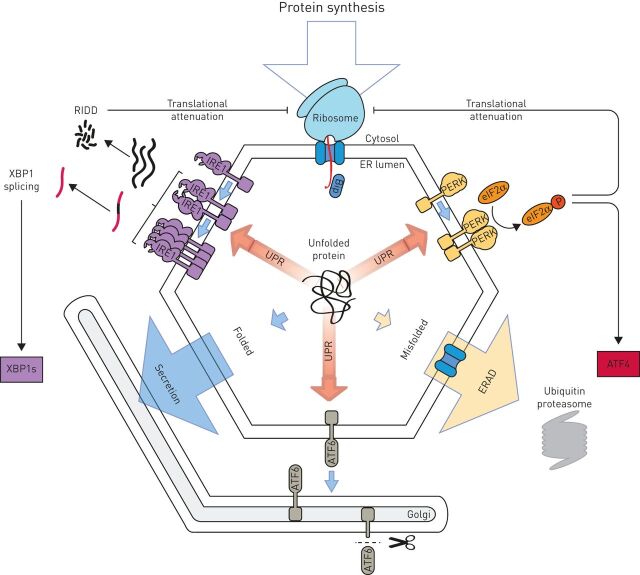
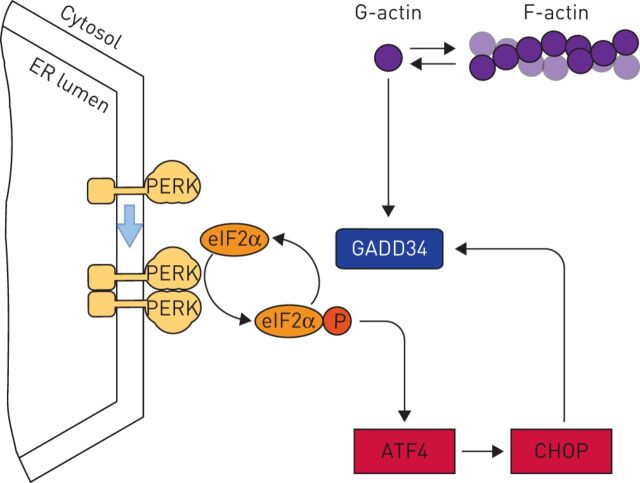
Exposure to inhaled pollutants, including fine particulates and cigarette smoke is a major cause of lung disease in Europe. While it is established that inhaled pollutants have devastating effects on the genome, it is now recognised that additional effects on protein folding also drive the development of lung disease. Protein misfolding in the endoplasmic reticulum affects the pathogenesis of many diseases, ranging from pulmonary fibrosis to cancer. It is therefore important to understand how cells respond to endoplasmic reticulum stress and how this affects pulmonary tissues in disease. These insights may offer opportunities to manipulate such endoplasmic reticulum stress pathways and thereby cure lung disease.
接触吸入性污染物,包括细颗粒物和香烟烟雾,是欧洲肺部疾病的主要成因。虽然已证实吸入性污染物会对基因组产生毁灭性影响,但现在人们认识到,对蛋白质折叠的额外影响也会推动肺部疾病的发展。内质网中的蛋白质错误折叠会影响从肺纤维化到癌症等多种疾病的发病机制。因此,了解细胞如何应对内质网应激以及这在疾病中如何影响肺组织非常重要。这些见解可能为操纵此类内质网应激途径从而治愈肺部疾病提供机会。