Department of Chemical and Process Engineering, University of Surrey, Guildford, GU2 7XH, UK.
Unilever, Colworth Science Park, Sharnbrook, Bedfordshire, MK44 1LQ, UK.
Pharm Res. 2017 Oct;34(10):2036-2048. doi: 10.1007/s11095-017-2209-0. Epub 2017 Jun 28.
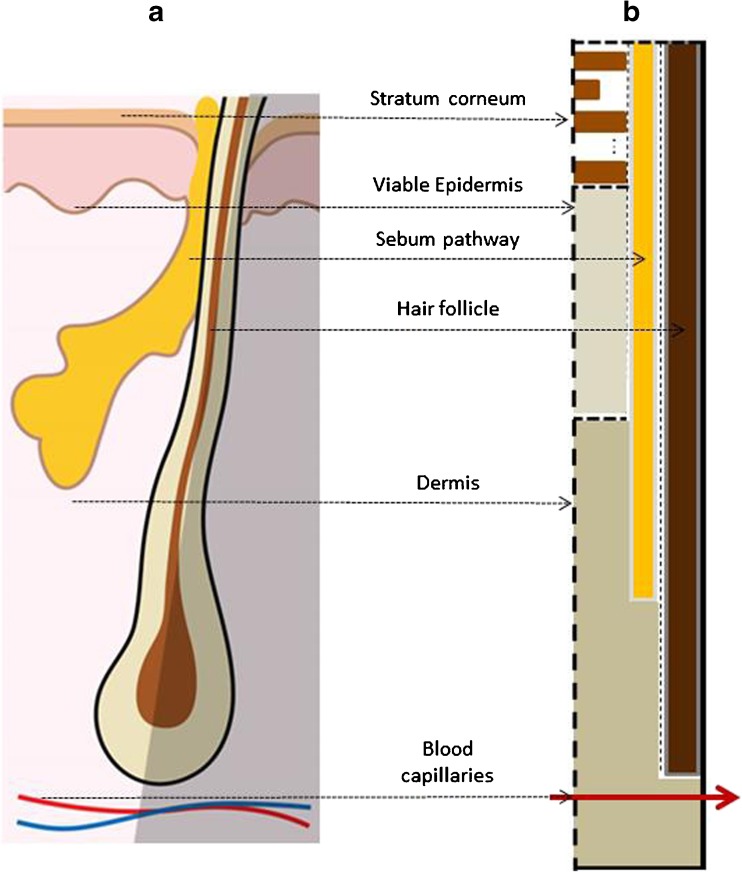
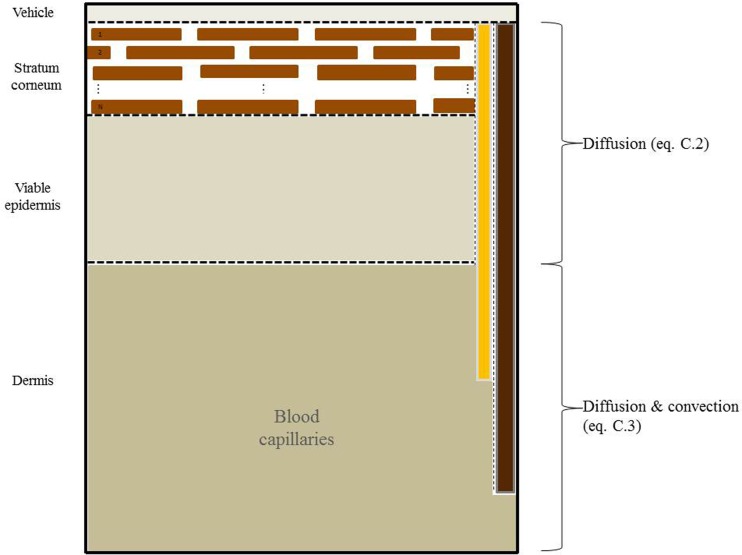
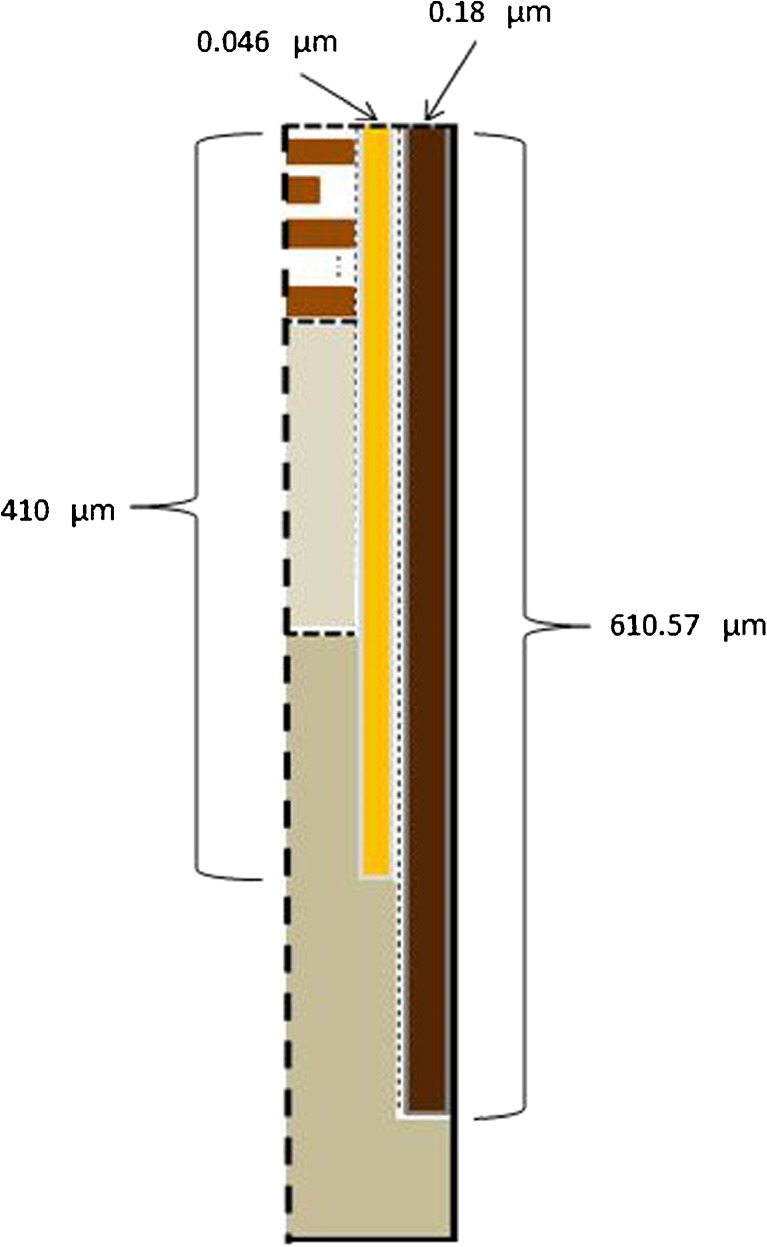
The development of a new two-dimensional (2D) model to predict follicular permeation, with integration into a recently reported multi-scale model of transdermal permeation is presented.
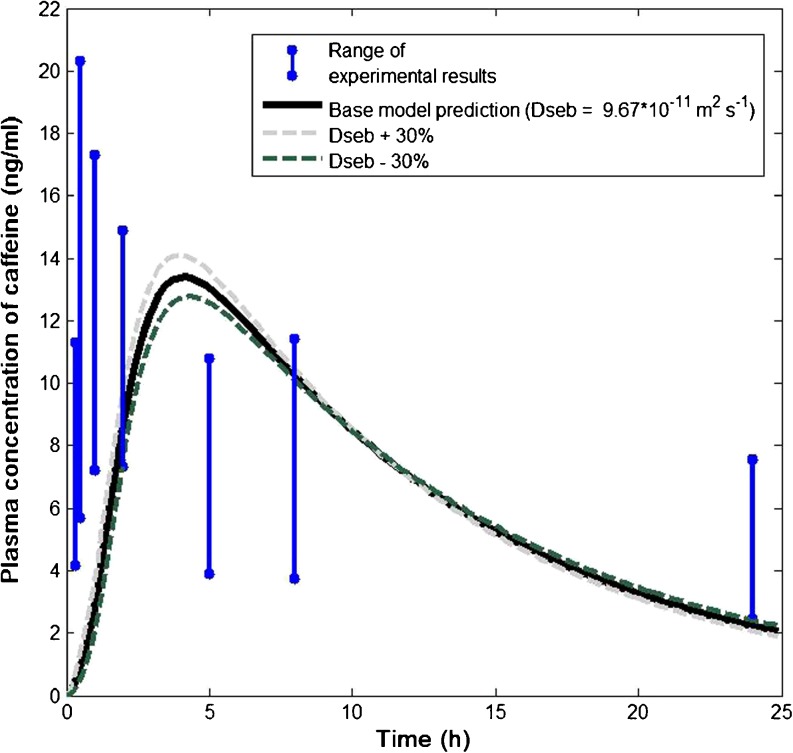
The follicular pathway is modelled by diffusion in sebum. The mass transfer and partition properties of solutes in lipid, corneocytes, viable dermis, dermis and systemic circulation are calculated as reported previously [Pharm Res 33 (2016) 1602]. The mass transfer and partition properties in sebum are collected from existing literature. None of the model input parameters was fit to the clinical data with which the model prediction is compared.
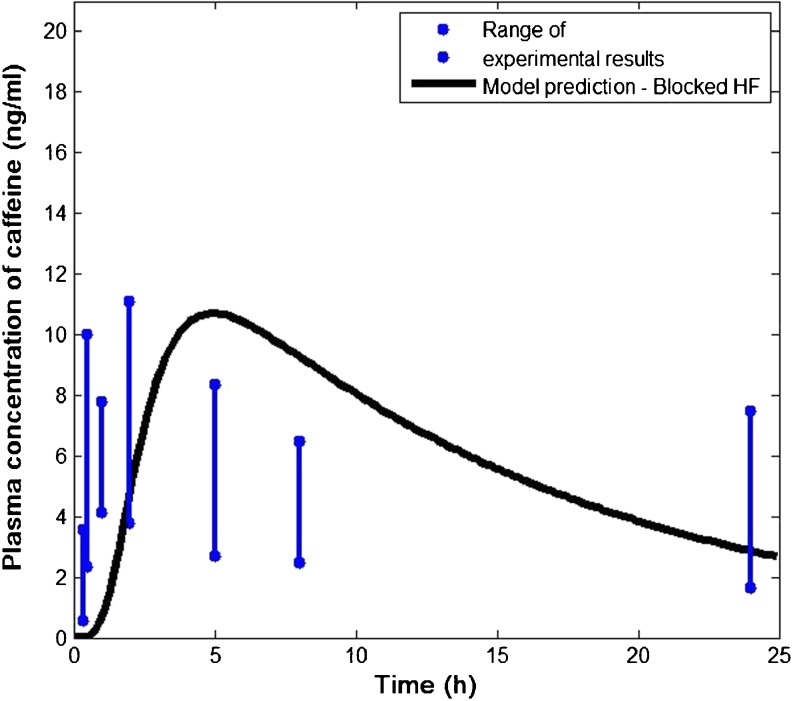
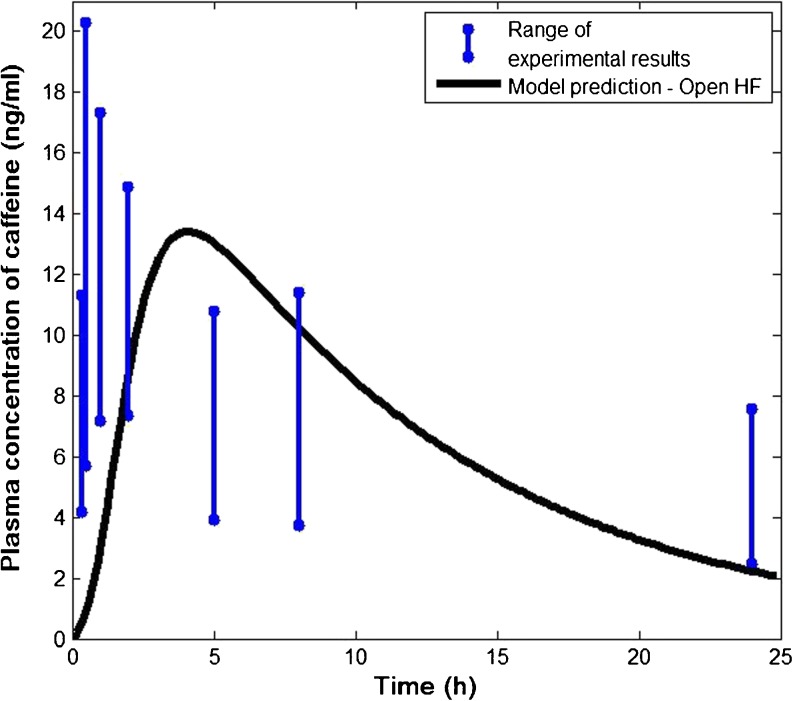
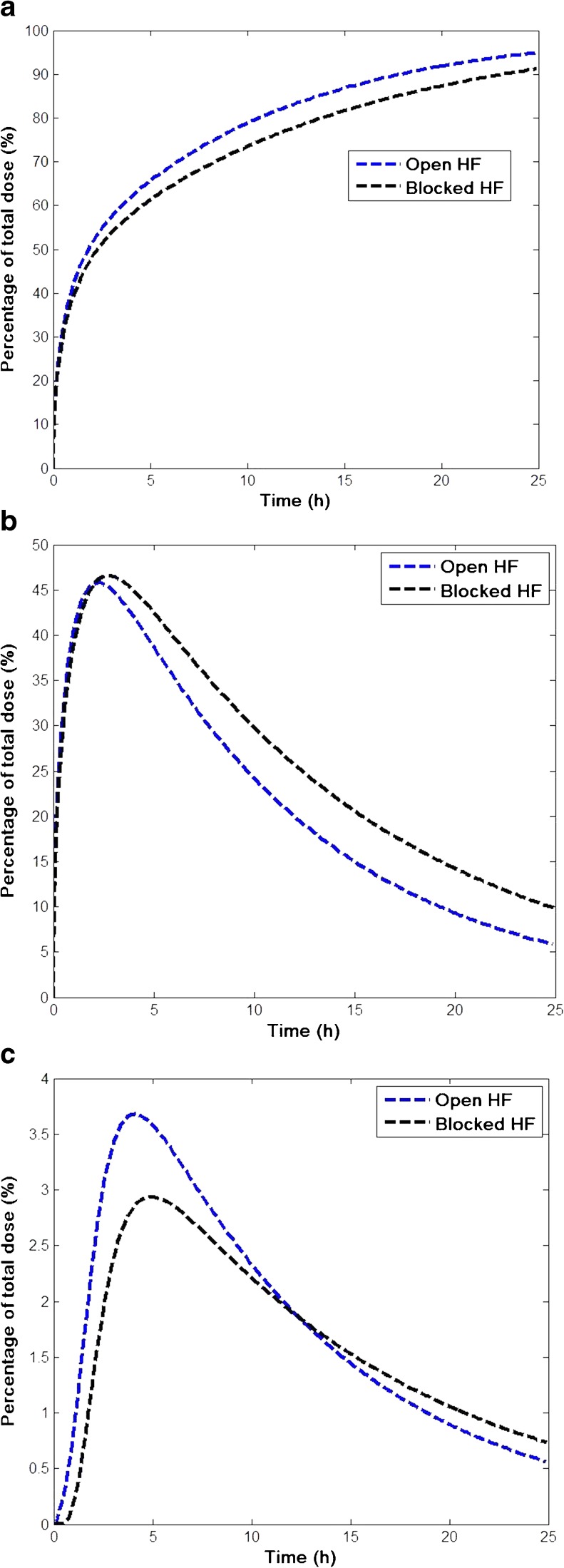
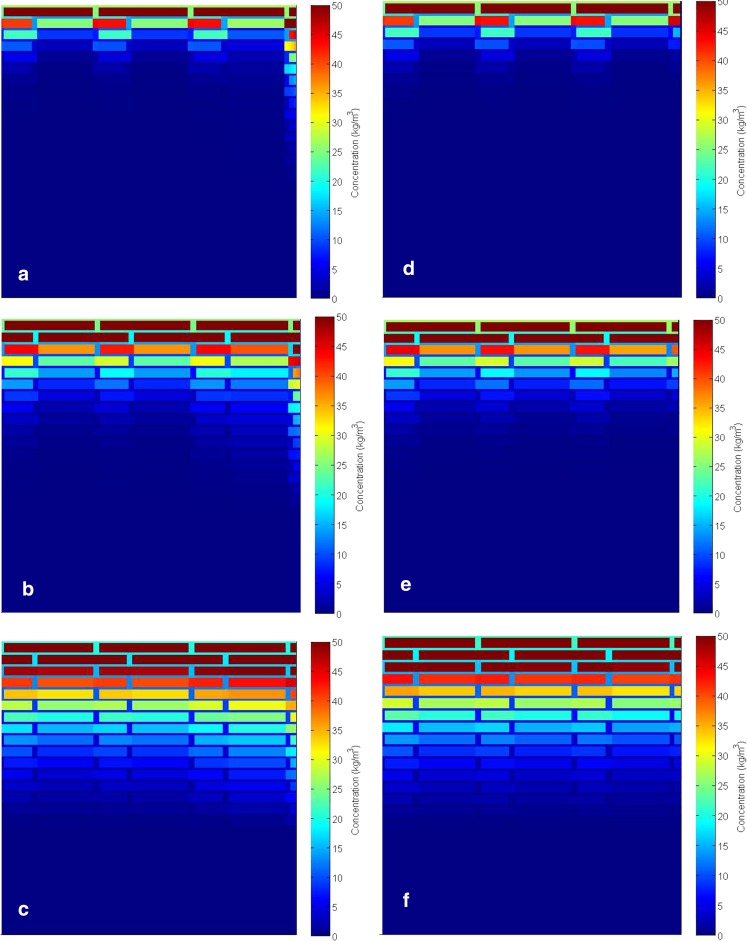
The integrated model has been applied to predict the published clinical data of transdermal permeation of caffeine. The relative importance of the follicular pathway is analysed. Good agreement of the model prediction with the clinical data has been obtained. The simulation confirms that for caffeine the follicular route is important; the maximum bioavailable concentration of caffeine in systemic circulation with open hair follicles is predicted to be 20% higher than that when hair follicles are blocked.
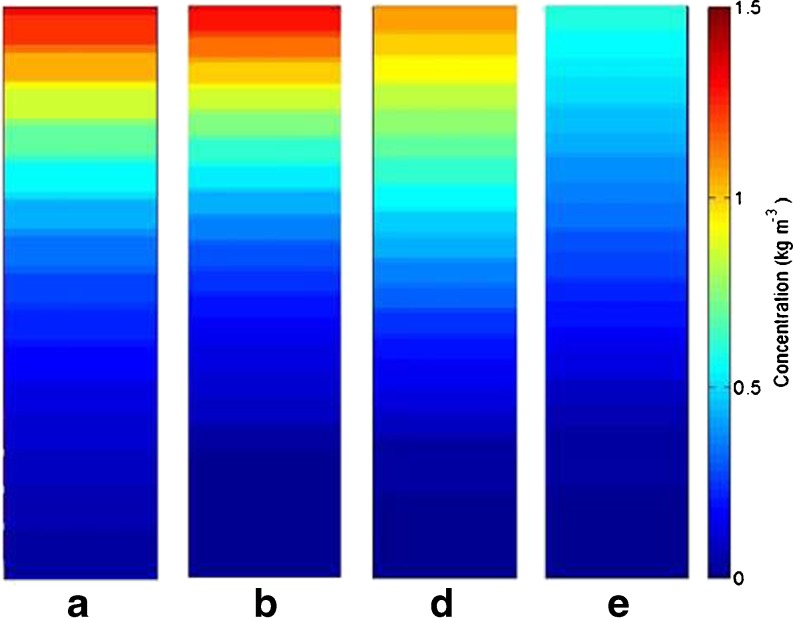
The follicular pathway contributes to not only short time fast penetration, but also the overall systemic bioavailability. With such in silico model, useful information can be obtained for caffeine disposition and localised delivery in lipid, corneocytes, viable dermis, dermis and the hair follicle. Such detailed information is difficult to obtain experimentally.
本研究提出了一种新的二维(2D)模型,用于预测毛囊渗透,并将其整合到最近报道的经皮渗透多尺度模型中。
通过皮脂中的扩散来模拟毛囊途径。溶质在脂质、角质细胞、有活力的真皮、真皮和全身循环中的传质和分配性质是按照先前报道的方法计算的[Pharm Res 33 (2016) 1602]。皮脂中的传质和分配性质是从现有文献中收集的。与模型预测进行比较的临床数据没有一个模型输入参数是通过拟合得到的。
该整合模型已应用于预测已发表的咖啡因经皮渗透的临床数据。分析了毛囊途径的相对重要性。模型预测与临床数据吻合良好。模拟结果证实,对于咖啡因,毛囊途径是重要的;与毛囊被阻塞时相比,开放毛囊时咖啡因在全身循环中的最大生物利用浓度预计会高出 20%。
毛囊途径不仅有助于快速渗透,而且有助于整体全身生物利用度。通过这种计算机模型,可以获得有关咖啡因在脂质、角质细胞、有活力的真皮、真皮和毛囊中的分布和局部输送的有用信息。这种详细的信息很难通过实验获得。