Yang Qiming, Qi Meng, Tong Renchao, Wang Dandan, Ding Lili, Li Zeyun, Huang Cheng, Wang Zhengtao, Yang Li
The Ministry of Education (MOE) Key Laboratory for Standardization of Chinese Medicines and the State Administration of Traditional Chinese Medicine (SATCM) Key Laboratory for New Resources and Quality Evaluation of Chinese Medicines, Institute of Chinese Materia Medica, Shanghai University of Traditional Chinese Medicine, Shanghai 201203, China.
School of Pharmacy, Shanghai University of Traditional Chinese Medicine, Shanghai 201203, China.
Int J Mol Sci. 2017 Jun 30;18(7):1393. doi: 10.3390/ijms18071393.
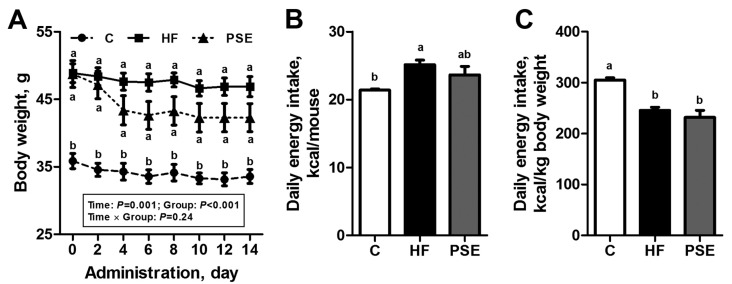
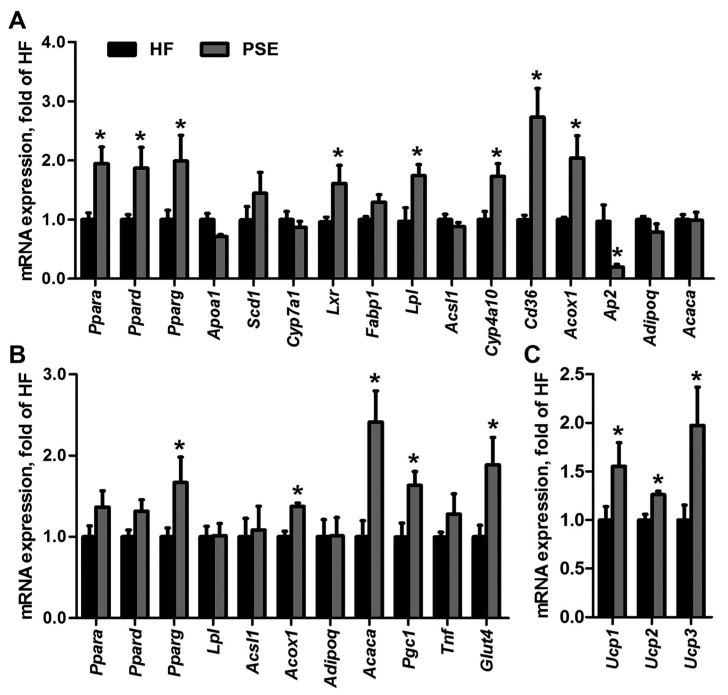
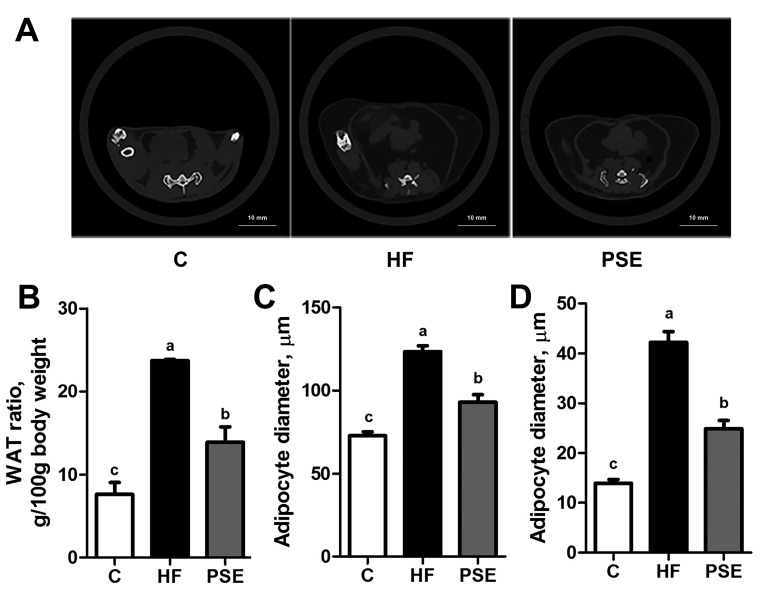
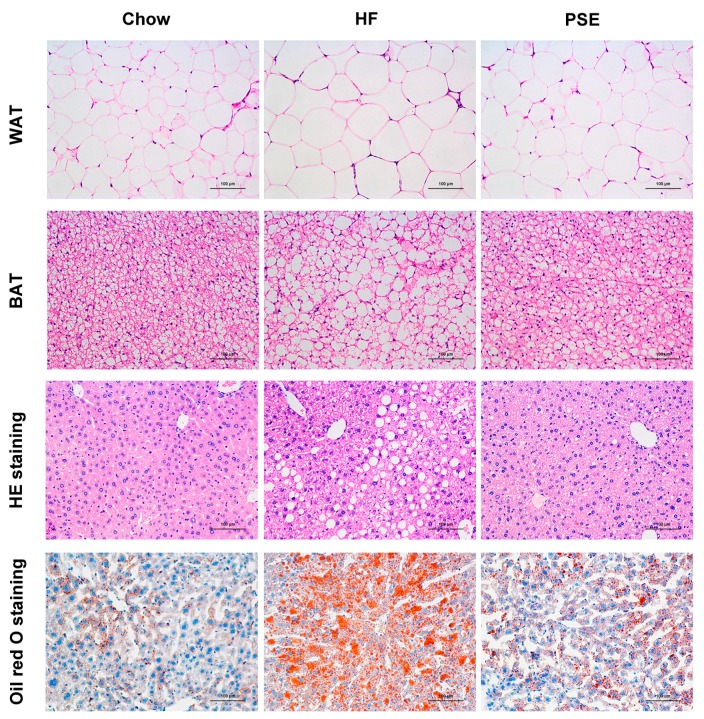
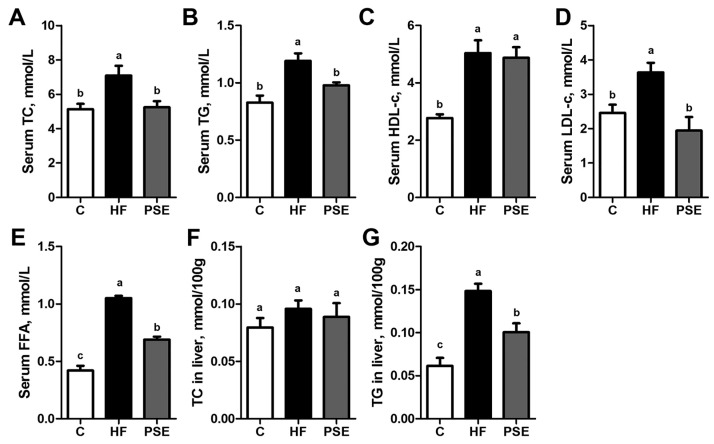
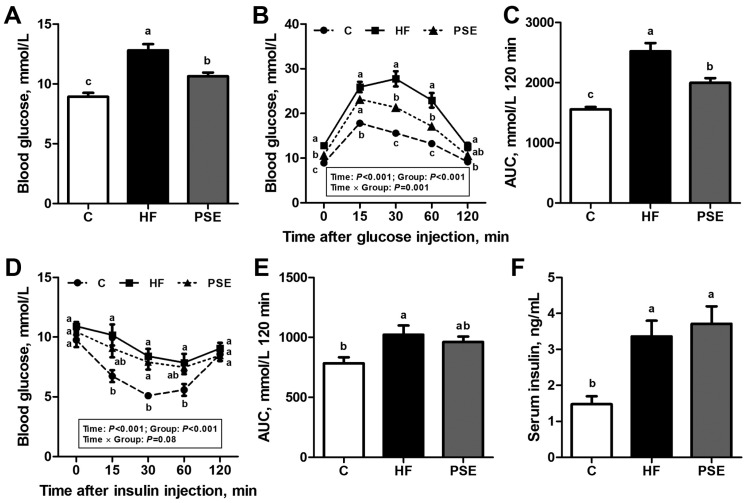
Obesity and its common association with type 2 diabetes, dyslipidemia, and cardiovascular diseases are worldwide epidemics. Currently, to prevent or treat obesity and associated metabolic disorders, herbal dietary supplements or medicines have attracted more and more attention owing to their relative effectiveness with fewer significant side effects. We investigate the therapeutic effects and underlying mechanisms of L. seed extract (PSE) on obesity and associated metabolic disorders in high-fat (HF) diet-induced mice. Our results displayed that PSE did not modify food intake or body weight but decreased abdominal white adipose tissue ratio, white/brown adipocyte size, serum total cholesterol, triglyceride (TG), low density lipoprotein cholesterol, free fatty acid, and hepatic TG concentrations when compared with the HF group. The levels of fasting blood glucose and glucose tolerance were improved in the PSE group when compared with the HF group. Furthermore, PSE upregulated mRNA expressions of peroxisome proliferator activated receptors (PPARs) and target genes related to fatty acid metabolism and energy expenditure in liver and adipose tissue of obese mice when compared with the HF group. PSE treatment effectively improved lipid and glucose metabolism in HF diet-induced obese mice. These effects might be attributed to the upregulation of PPAR signaling.
肥胖及其与2型糖尿病、血脂异常和心血管疾病的常见关联是全球性的流行病。目前,为了预防或治疗肥胖及相关代谢紊乱,草药膳食补充剂或药物因其相对有效性和较少的显著副作用而越来越受到关注。我们研究了紫苏籽提取物(PSE)对高脂(HF)饮食诱导的小鼠肥胖及相关代谢紊乱的治疗作用和潜在机制。我们的结果显示,与HF组相比,PSE没有改变食物摄入量或体重,但降低了腹部白色脂肪组织比例、白色/棕色脂肪细胞大小、血清总胆固醇、甘油三酯(TG)、低密度脂蛋白胆固醇、游离脂肪酸和肝脏TG浓度。与HF组相比,PSE组的空腹血糖水平和葡萄糖耐量得到改善。此外,与HF组相比,PSE上调了肥胖小鼠肝脏和脂肪组织中过氧化物酶体增殖物激活受体(PPARs)的mRNA表达以及与脂肪酸代谢和能量消耗相关的靶基因表达。PSE治疗有效改善了HF饮食诱导的肥胖小鼠的脂质和葡萄糖代谢。这些作用可能归因于PPAR信号通路的上调。