Park Sung Eun, Choi Dae Seob, Shin Hwa Seon, Baek Hye Jin, Choi Ho Cheol, Kim Ji Eun, Choi Hye Young, Park Mi Jung
Department of Radiology, Gyeongsang National University School of Medicine, Jinju 52727, Korea.
Gyeongsang Institute of Health Science, Gyeongsang National University School of Medicine, Jinju 52727, Korea.
Korean J Radiol. 2017 Jul-Aug;18(4):710-721. doi: 10.3348/kjr.2017.18.4.710. Epub 2017 May 19.
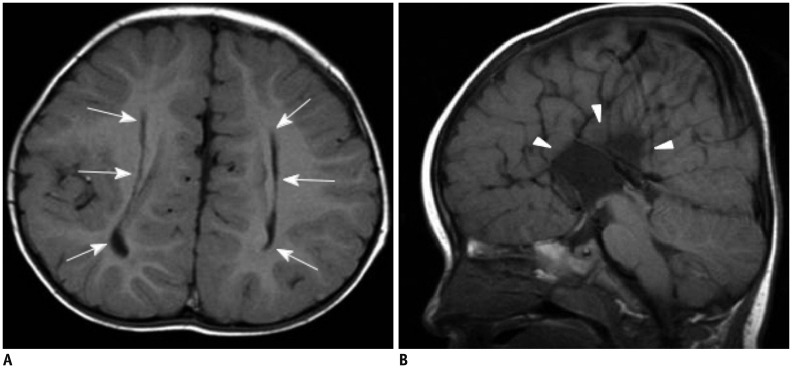
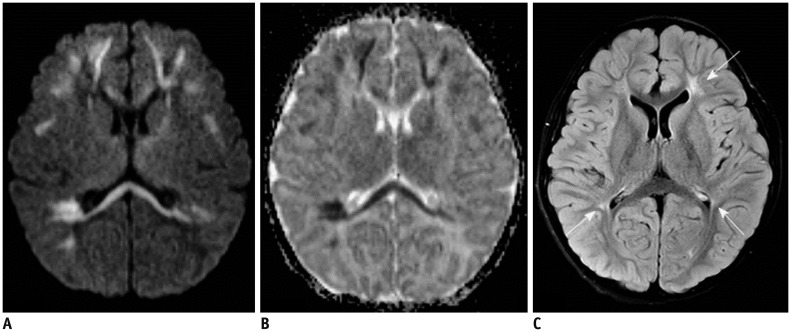
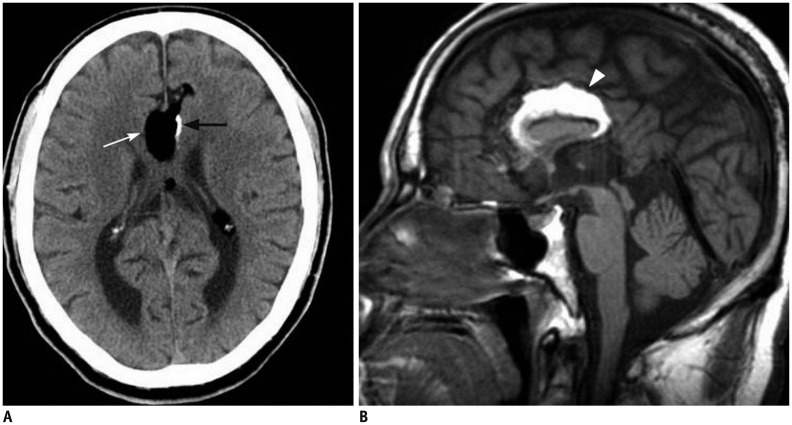
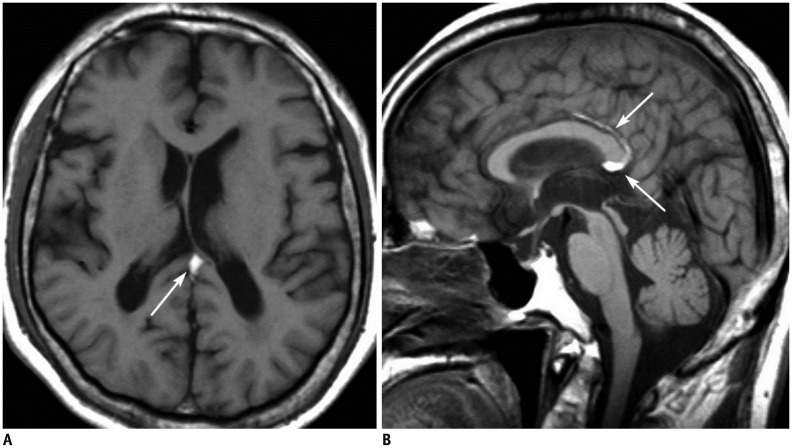
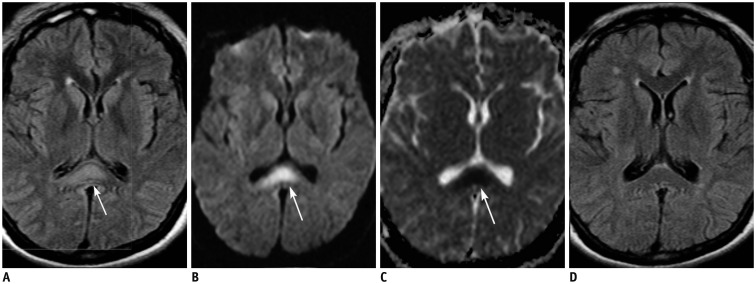
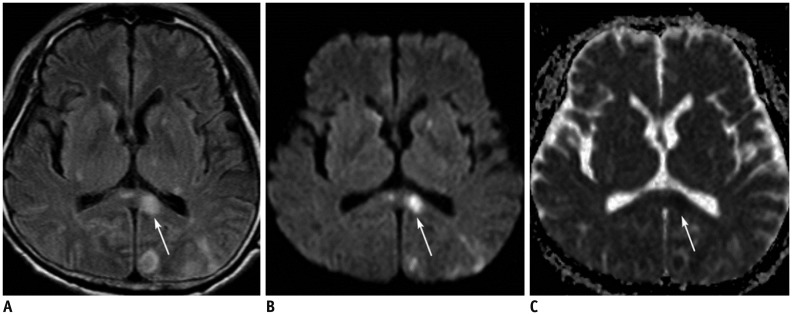
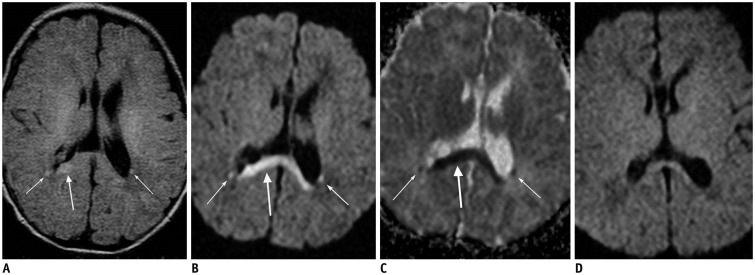
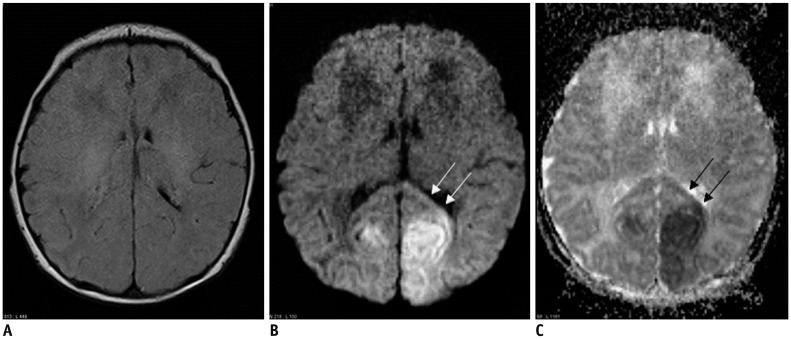
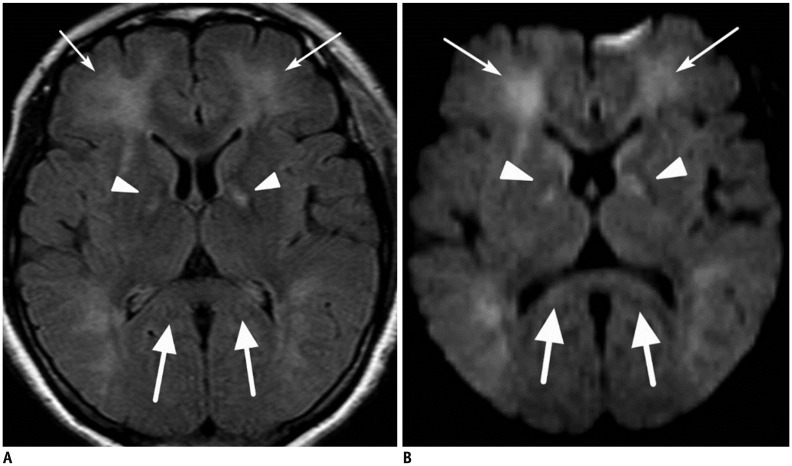
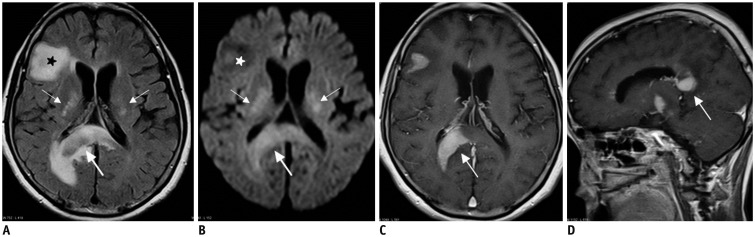
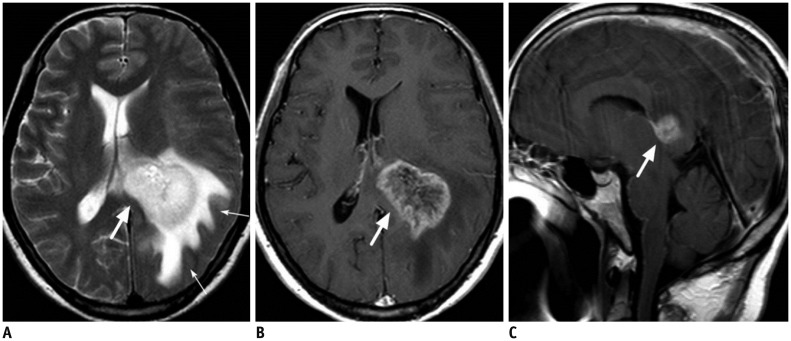
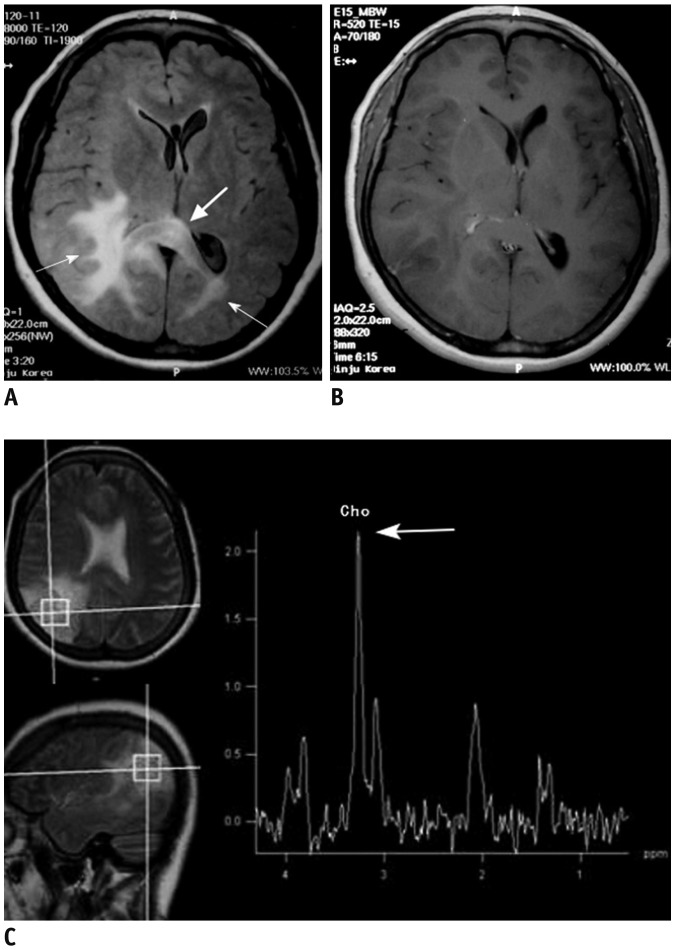
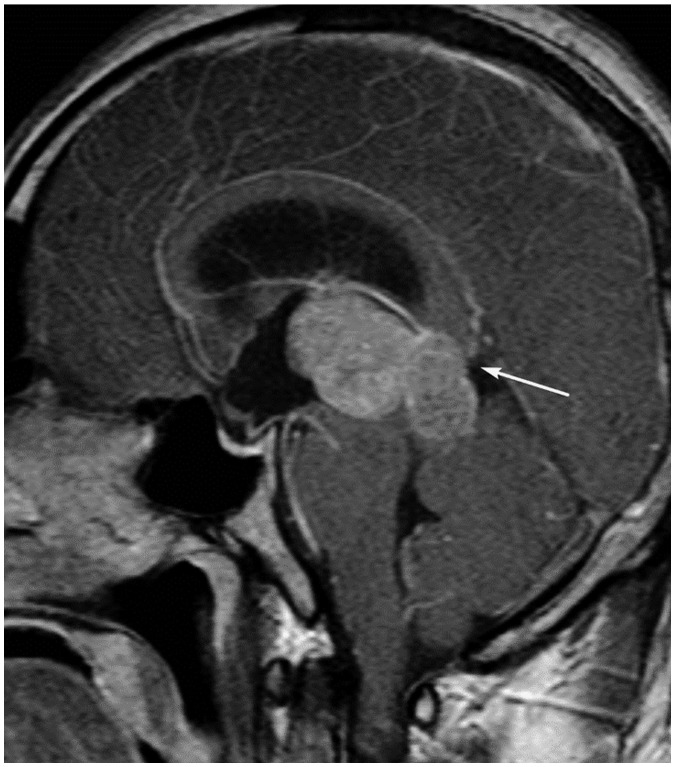
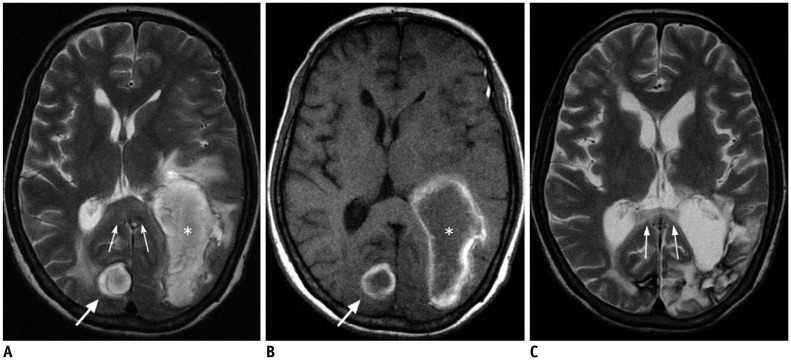
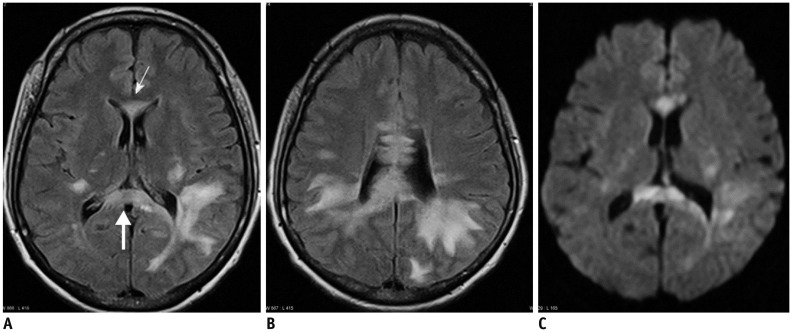
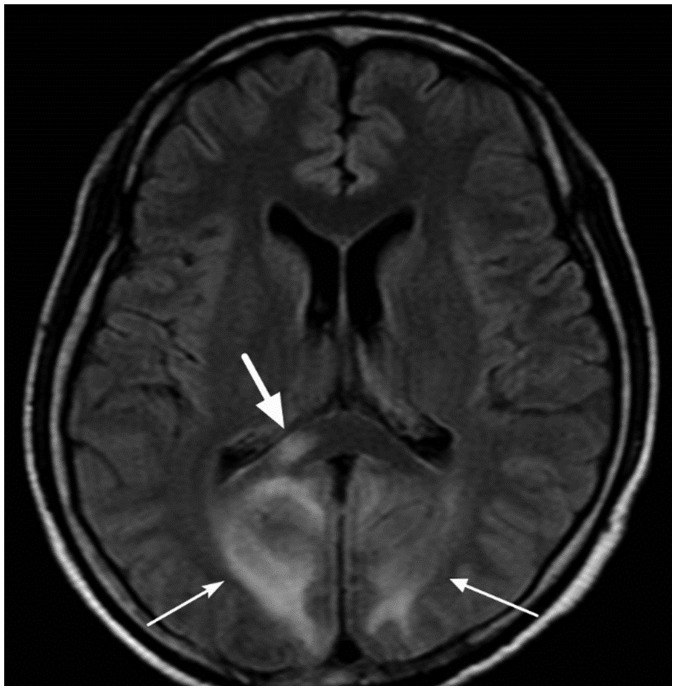
The corpus callosum (CC) is the largest white matter structure in the brain, consisting of more than 200-250 million axons that provide a large connection mainly between homologous cerebral cortical areas in mirror image sites. The posterior end of the CC is the thickest part, which is called the splenium. Various diseases including congenital to acquired lesions including congenital anomalies, traumatic lesions, ischemic diseases, tumors, metabolic, toxic, degenerative, and demyelinating diseases, can involve the splenium of the CC and their clinical symptoms and signs are also variable. Therefore, knowledge of the disease entities and the imaging findings of lesions involving the splenium is valuable in clinical practice. MR imaging is useful for the detection and differential diagnosis of splenial lesions of the CC. In this study, we classify the disease entities and describe imaging findings of lesions involving the splenium of the CC based on our experiences and a review of the literature.
胼胝体(CC)是大脑中最大的白质结构,由超过2亿到2.5亿条轴突组成,主要在镜像部位的同源大脑皮质区域之间提供大量连接。CC的后端是最厚的部分,称为压部。包括先天性到后天性病变,如先天性异常、创伤性病变、缺血性疾病、肿瘤、代谢性、中毒性、退行性和脱髓鞘疾病等各种疾病,都可能累及CC的压部,其临床症状和体征也各不相同。因此,了解累及压部的疾病实体和病变的影像学表现在临床实践中具有重要价值。磁共振成像(MR)对CC压部病变的检测和鉴别诊断很有用。在本研究中,我们根据经验和文献回顾,对疾病实体进行分类,并描述累及CC压部病变的影像学表现。