Herynek Vít, Gálisová Andrea, Srinivas Mangala, van Dinther Eric A W, Kosinová Lucie, Ruzicka Jiri, Jirátová Markéta, Kriz Jan, Jirák Daniel
MR Unit, Radiodiagnostic and Interventional Radiology Department, Institute for Clinical and Experimental Medicine, Vídeňská 1958/9, Prague, Czech Republic.
Department of Tumor Immunology, Radboud University Medical Centre, Route 278, Geert Grooteplein 28, Nijmegen, Netherlands.
Biol Proced Online. 2017 Jun 28;19:6. doi: 10.1186/s12575-017-0055-4. eCollection 2017.
In vitro labelling of cells and small cell structures is a necessary step before in vivo monitoring of grafts. We modified and optimised a procedure for pancreatic islet labelling using bimodal positively charged poly(lactic-co-glycolic acid) nanoparticles with encapsulated perfluoro crown ethers and indocyanine green dye via microporation and compared the method with passive endocytosis.
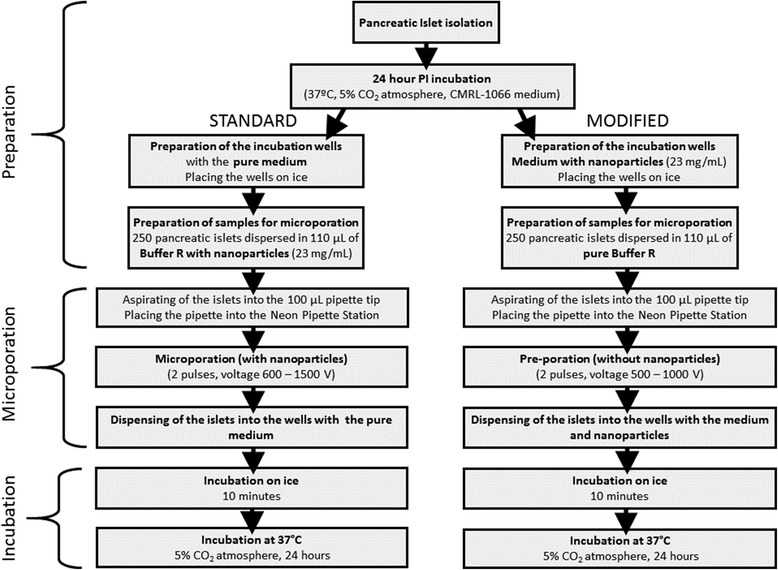
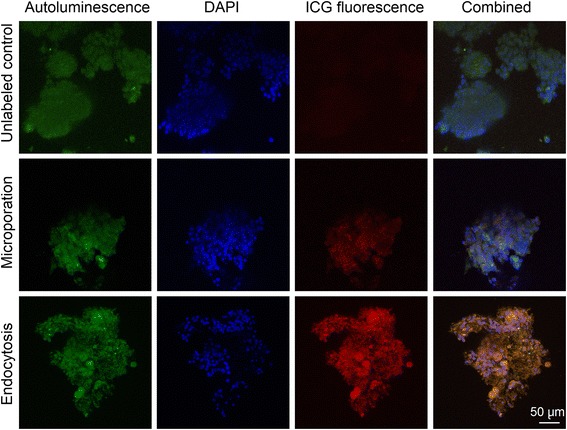
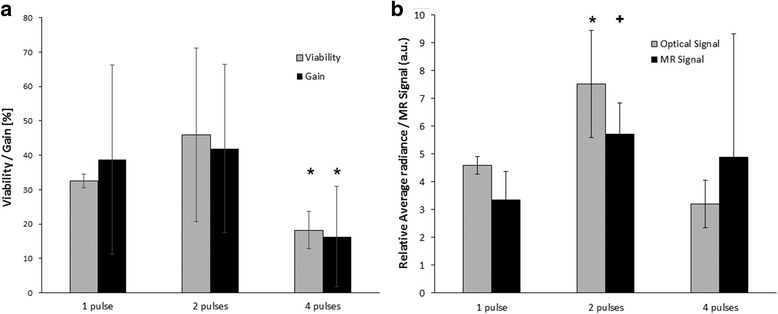
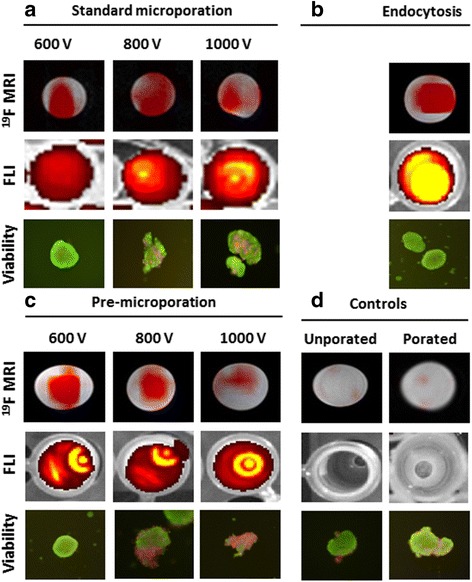
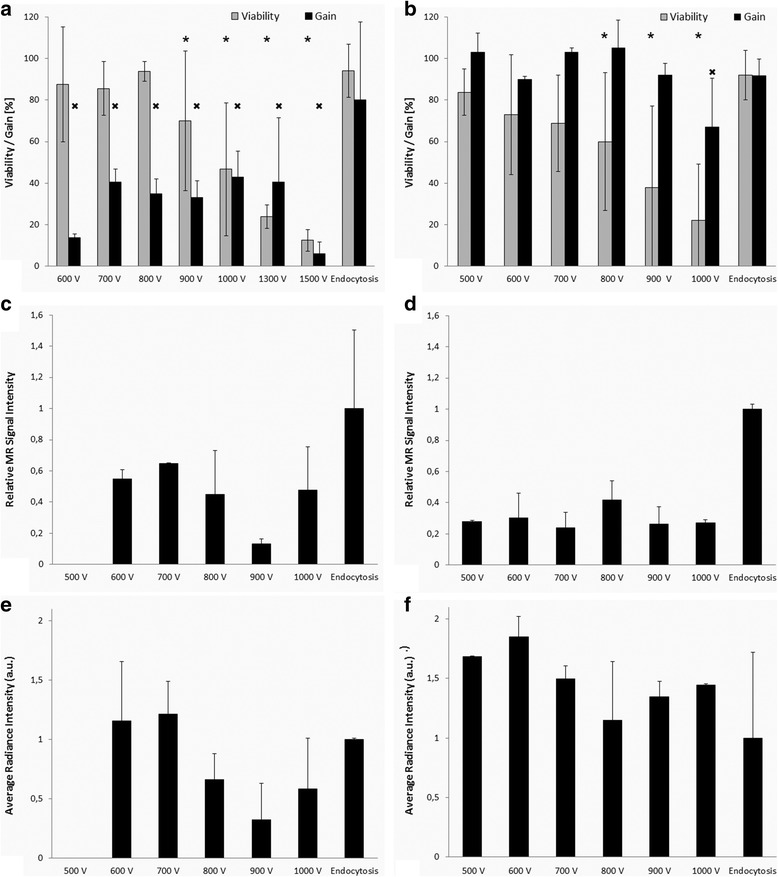
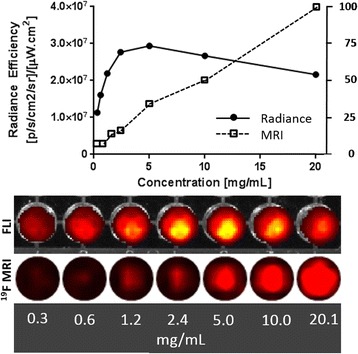
Pancreatic islets were microporated using two pulses at various voltages. We tested a standard procedure (poration in the presence of nanoparticles) and a modified protocol (pre-microporation in a buffer only, and subsequent islet incubation with nanoparticles on ice for 10 min). We compared islet labelling by microporation with labelling by endocytosis, i.e. pancreatic islets were incubated for 24 h in a medium with suspended nanoparticles. In order to verify the efficiency of the labelling procedures, we used F magnetic resonance imaging, optical fluorescence imaging and confocal microscopy. The experiment confirmed that microporation, albeit fast and effective, is invasive and may cause substantial harm to islets. To achieve sufficient poration and to minimise the reduction of viability, the electric field should be set at 20 kV/m (two pulses, 20 ms each). Poration in the presence of nanoparticles was found to be unsuitable for the nanoparticles used. The water suspension of nanoparticles (which served as a surfactant) was slightly foamy and microbubbles in the suspension were responsible for sparks causing the destruction of islets during poration. However, pre-microporation (poration of islets in a buffer only) followed by 10-min incubation with nanoparticles was safer.
For labelling of pancreatic islets using poly(lactic-co-glycolic acid) nanoparticles, the modified microporation procedure with low voltage was found to be safer than the standard microporation procedure. The modified procedure was fast, however, efficiency was lower compared to endocytosis.
在对移植体进行体内监测之前,对细胞和小细胞结构进行体外标记是必要步骤。我们改进并优化了一种使用双模态带正电荷的聚乳酸-乙醇酸共聚物纳米颗粒(其包裹有全氟冠醚和吲哚菁绿染料)通过微孔法对胰岛进行标记的程序,并将该方法与被动内吞作用进行了比较。
使用不同电压的两个脉冲对胰岛进行微孔处理。我们测试了一种标准程序(在纳米颗粒存在下进行微孔处理)和一种改进方案(仅在缓冲液中进行预微孔处理,随后将胰岛与纳米颗粒在冰上孵育10分钟)。我们将通过微孔法进行的胰岛标记与通过内吞作用进行的标记进行了比较,即把胰岛在含有悬浮纳米颗粒的培养基中孵育24小时。为了验证标记程序的效率,我们使用了F磁共振成像、光学荧光成像和共聚焦显微镜。实验证实,尽管微孔法快速有效,但具有侵入性,可能对胰岛造成实质性损害。为了实现足够的微孔处理并将活力降低最小化,电场应设置为20 kV/m(两个脉冲,每个脉冲20毫秒)。发现在纳米颗粒存在下进行微孔处理不适用于所使用的纳米颗粒。纳米颗粒的水悬浮液(用作表面活性剂)略有泡沫,悬浮液中的微气泡导致在微孔处理期间产生火花,从而破坏胰岛。然而,先进行预微孔处理(仅在缓冲液中对胰岛进行微孔处理),然后与纳米颗粒孵育10分钟则更安全。
对于使用聚乳酸-乙醇酸共聚物纳米颗粒对胰岛进行标记,发现低电压的改进微孔处理程序比标准微孔处理程序更安全。改进后的程序速度快,然而,与内吞作用相比效率较低。