Yang Zhiyou, Kuboyama Tomoharu, Tohda Chihiro
Division of Neuromedical Science, Department of Bioscience, Institute of Natural Medicine, University of ToyamaToyama, Japan.
Front Pharmacol. 2017 Jun 19;8:340. doi: 10.3389/fphar.2017.00340. eCollection 2017.
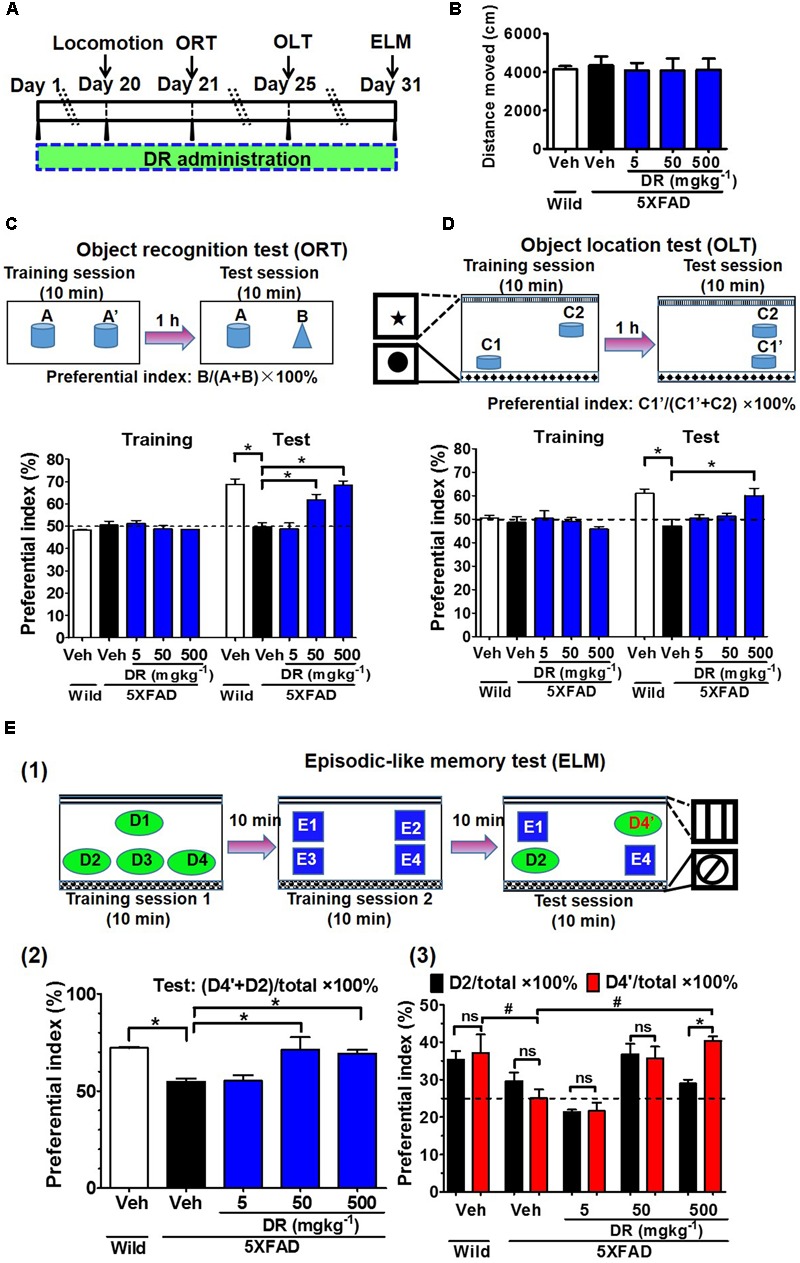
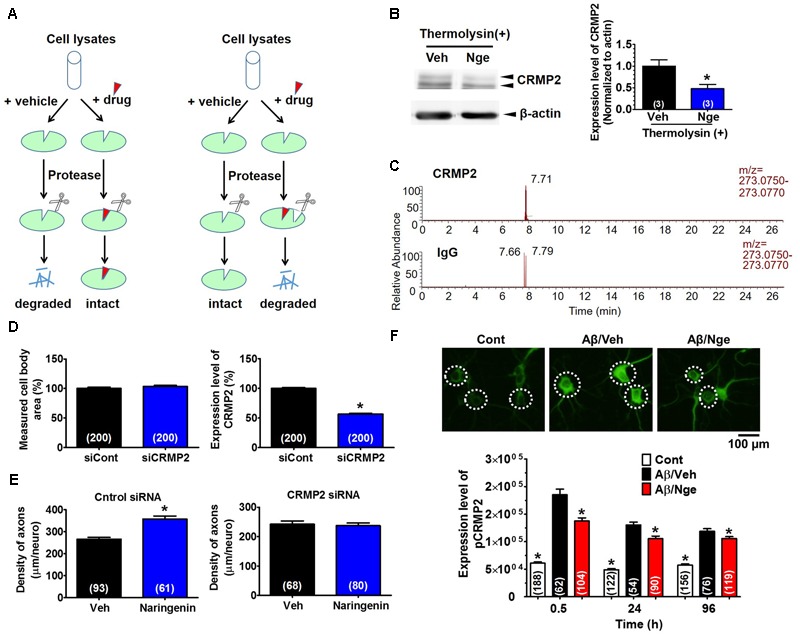
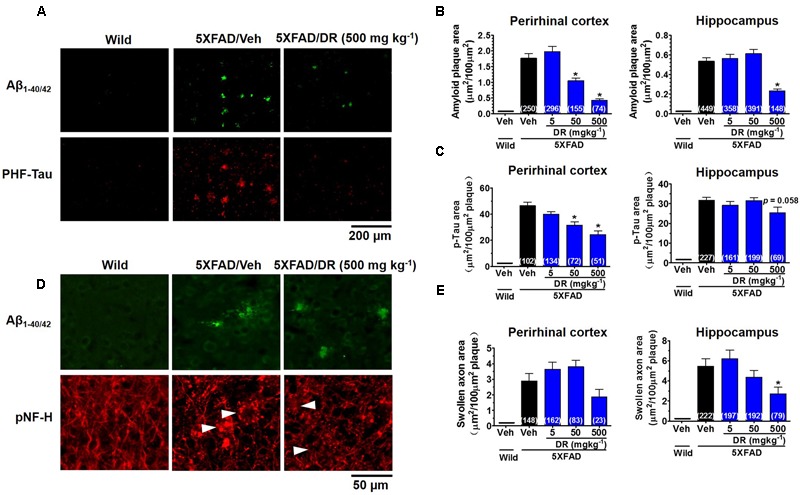
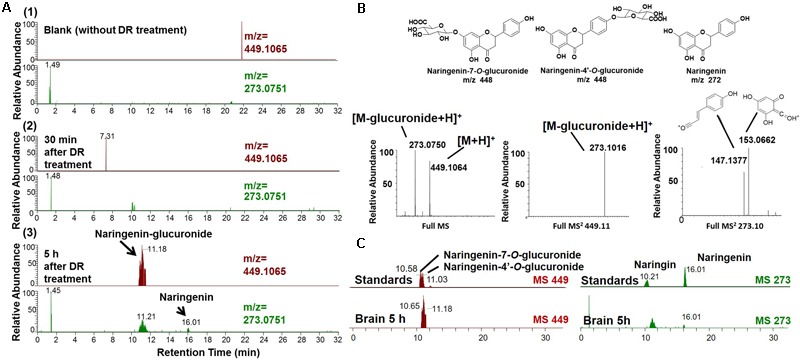
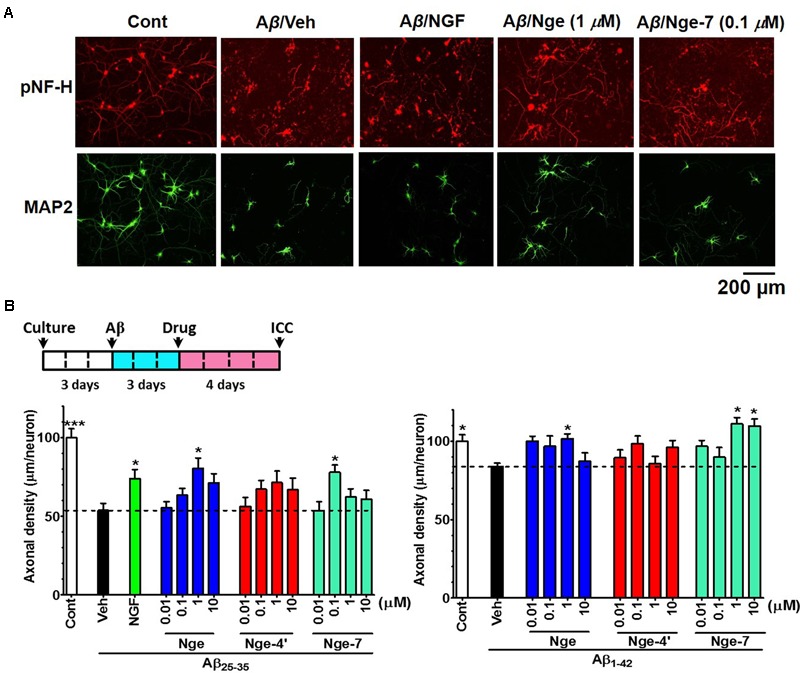
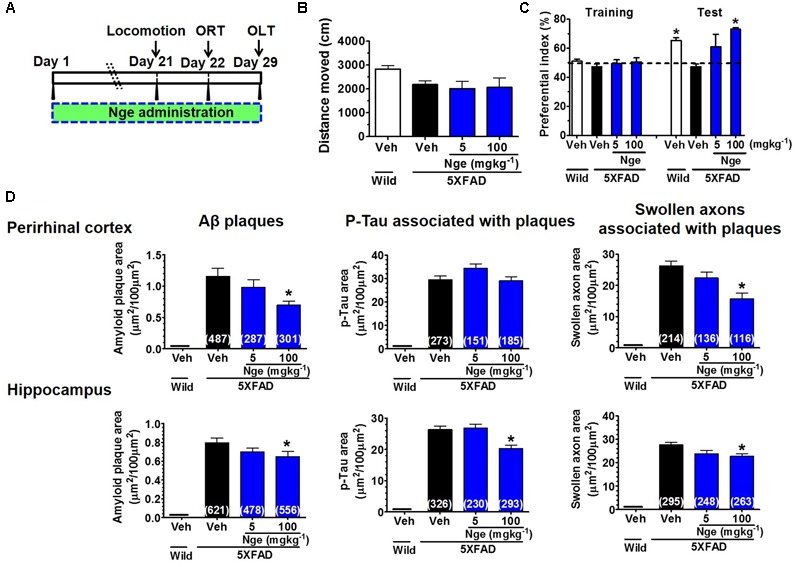
Natural medicines are attractive sources of leading compounds that can be used as interventions for neurodegenerative disorders. The complexity of their chemical components and undetermined bio-metabolism have greatly hindered both the use of natural medicines and the identification of their active constituents. Here, we report a systematic strategy for evaluating the bioactive candidates in natural medicines used for Alzheimer's disease (AD). We found that Drynaria Rhizome could enhance memory function and ameliorate AD pathologies in 5XFAD mice. Biochemical analysis led to the identification of the bio-effective metabolites that are transferred to the brain, namely, naringenin and its glucuronides. To explore the mechanism of action, we combined the drug affinity responsive target stability with immunoprecipitation-liquid chromatography/mass spectrometry analysis, identifying the collapsin response mediator protein 2 protein as a target of naringenin. Our study indicates that biochemical analysis coupled with pharmacological methods can be used in the search for new targets for AD intervention.
天然药物是先导化合物的有吸引力的来源,可作为神经退行性疾病的干预措施。其化学成分的复杂性和未确定的生物代谢极大地阻碍了天然药物的使用及其活性成分的鉴定。在此,我们报告了一种系统策略,用于评估用于阿尔茨海默病(AD)的天然药物中的生物活性候选物。我们发现骨碎补能增强5XFAD小鼠的记忆功能并改善AD病理。生化分析鉴定出转移至大脑的生物有效代谢物,即柚皮素及其葡萄糖醛酸苷。为了探索作用机制,我们将药物亲和力响应靶点稳定性与免疫沉淀 - 液相色谱/质谱分析相结合,确定塌陷反应介导蛋白2为柚皮素的靶点。我们的研究表明,生化分析与药理学方法相结合可用于寻找AD干预的新靶点。