Laboratory of Molecular Pathogenetics, Institute of Biotechnology CAS, BIOCEV, Vestec, Czechia.
Laboratory of Reproductive Biology, Institute of Biotechnology CAS, BIOCEV, Vestec, Czechia.
Sci Rep. 2017 Jul 10;7(1):4940. doi: 10.1038/s41598-017-05286-0.
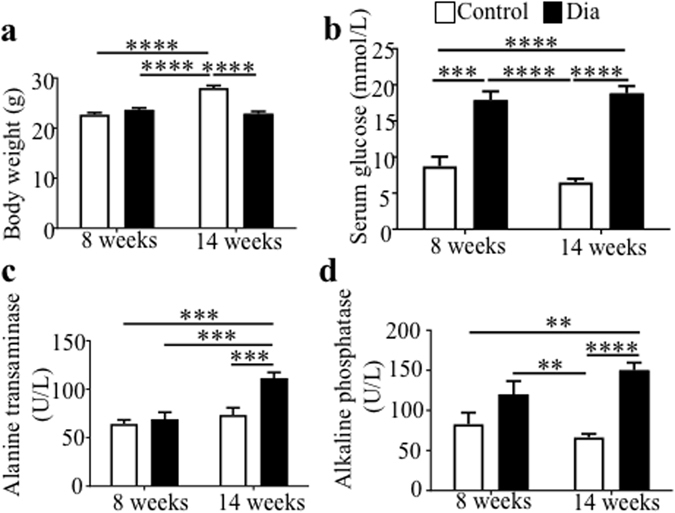
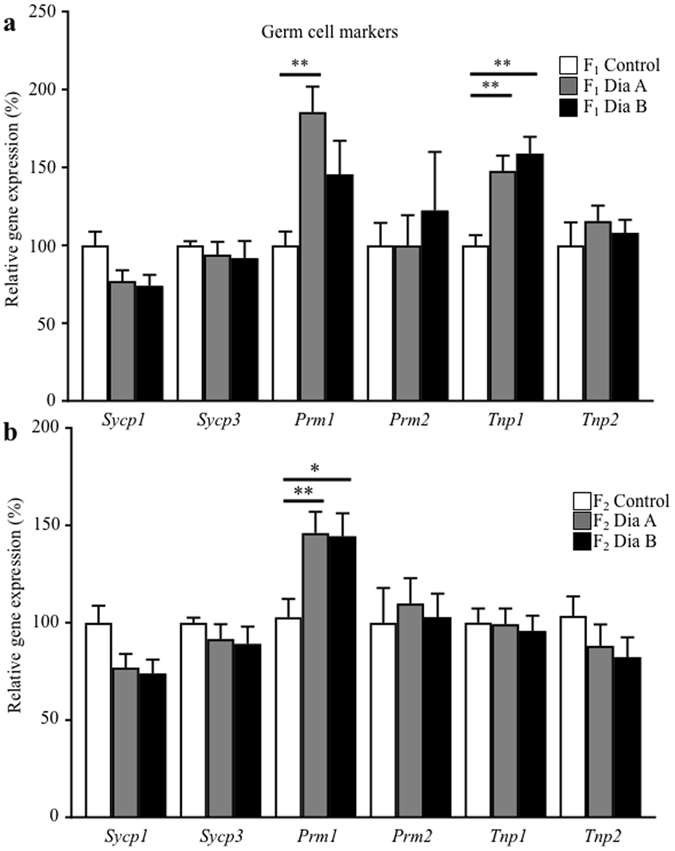
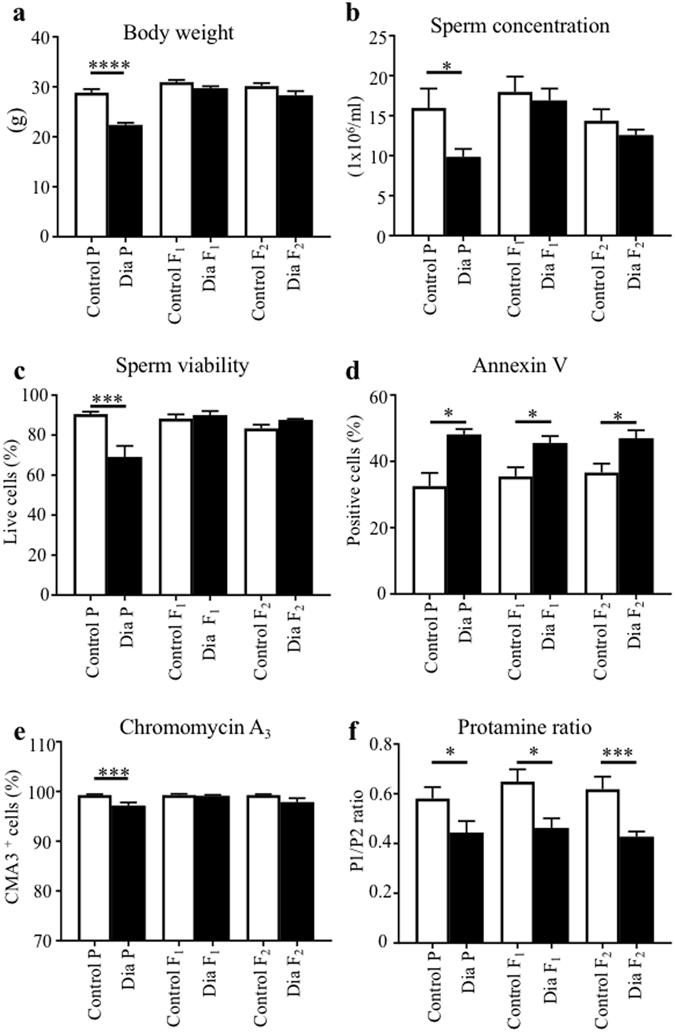
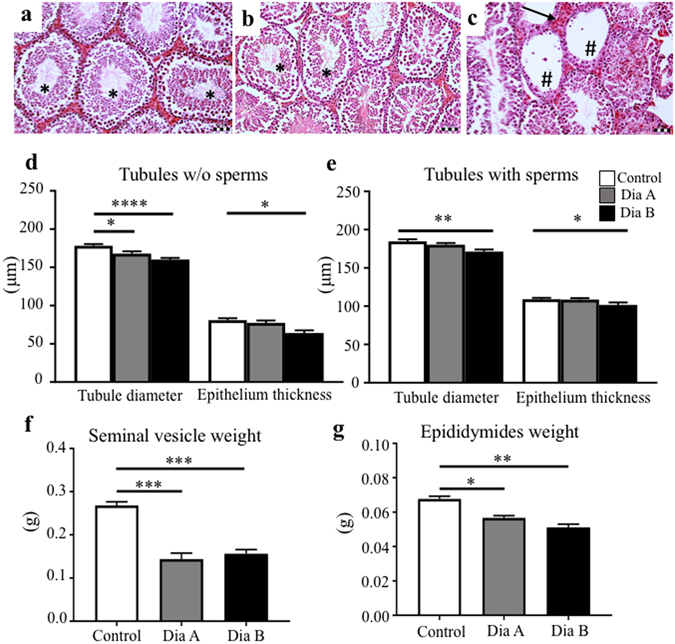
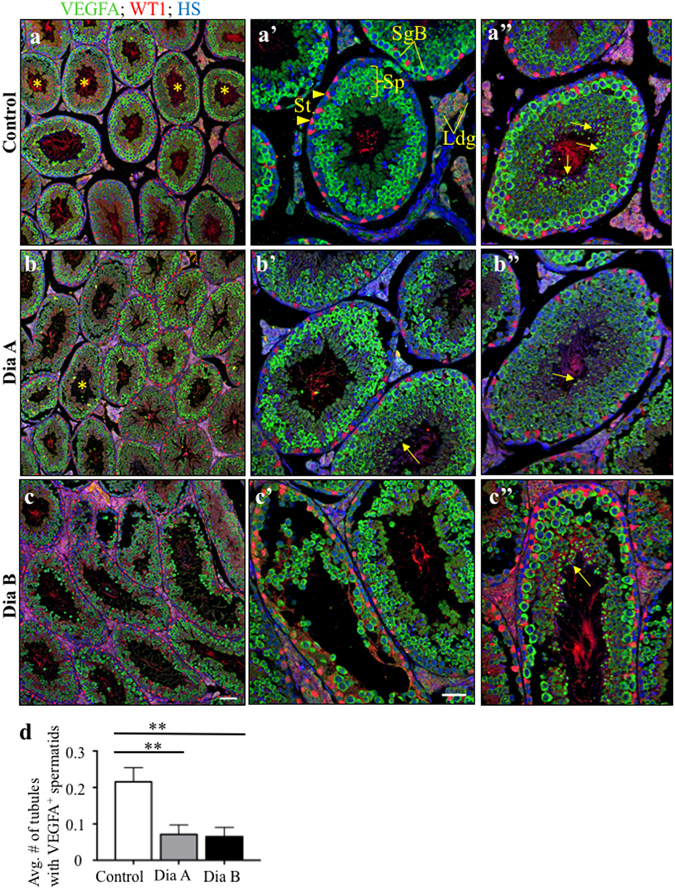
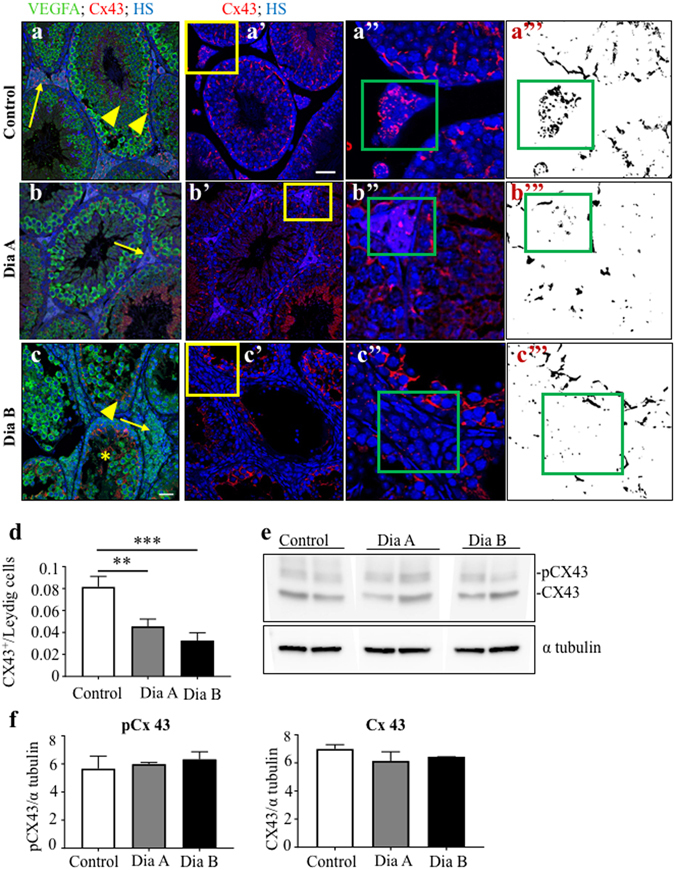
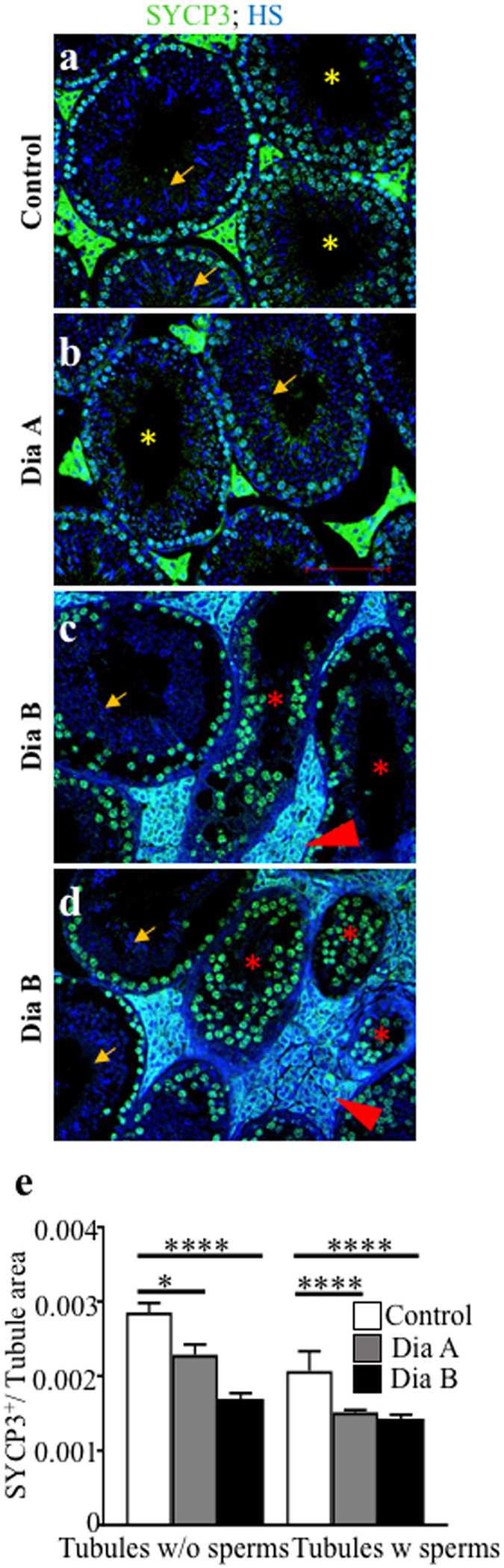
Male infertility is a worldwide problem associated with genetic background, environmental factors, and diseases. One of the suspected contributing factors to male infertility is diabetes mellitus. We investigated the molecular and morphological changes in sperms and testicular tissue of diabetic males. The study was performed in streptozotocin-induced type 1 diabetes mouse model. Diabetes decreased sperm concentration and viability and increased sperm apoptosis. Changes in protamine 1/protamine 2 ratio indicated reduced sperm quality. The testicular tissue of diabetic males showed significant tissue damage, disruption of meiotic progression, and changes in the expression of genes encoding proteins important for spermiogenesis. Paternal diabetes altered sperm quality and expression pattern in the testes in offspring of two subsequent generations. Our study revealed that paternal diabetes increased susceptibility to infertility in offspring through gametic alternations. Our data also provide a mechanistic basis for transgenerational inheritance of diabetes-associated pathologies since protamines may be involved in epigenetic regulations.
男性不育是一个全球性问题,与遗传背景、环境因素和疾病有关。糖尿病是男性不育的一个可疑致病因素。我们研究了糖尿病男性精子和睾丸组织的分子和形态变化。这项研究是在链脲佐菌素诱导的 1 型糖尿病小鼠模型中进行的。糖尿病降低了精子浓度和活力,增加了精子凋亡。鱼精蛋白 1/鱼精蛋白 2 比例的变化表明精子质量下降。糖尿病雄性小鼠的睾丸组织显示出明显的组织损伤、减数分裂进程中断以及编码精子发生过程中重要蛋白质的基因表达变化。父代糖尿病改变了后代两代精子的质量和睾丸中的表达模式。我们的研究表明,父代糖尿病通过配子改变增加了后代不育的易感性。我们的数据还为糖尿病相关病理的跨代遗传提供了机制基础,因为鱼精蛋白可能参与了表观遗传调控。