CSIR-National Botanical Research Institute, Council of Scientific and Industrial Research (CSIR-NBRI), Rana Pratap Marg, Lucknow, 226 001, India.
Academy of Scientific and Innovative Research (AcSIR), Anusandhan Bhawan, 2 Rafi Marg, New Delhi, 110 001, India.
Sci Rep. 2017 Jul 11;7(1):5043. doi: 10.1038/s41598-017-05291-3.
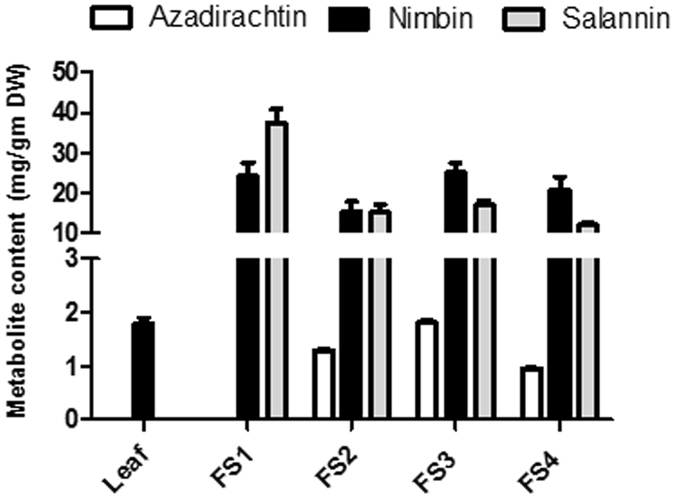
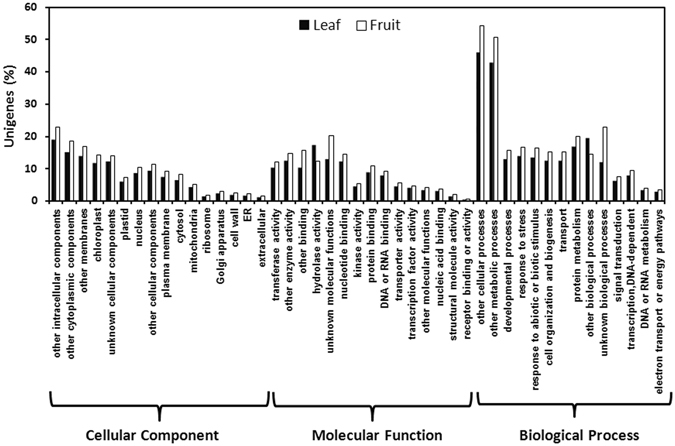
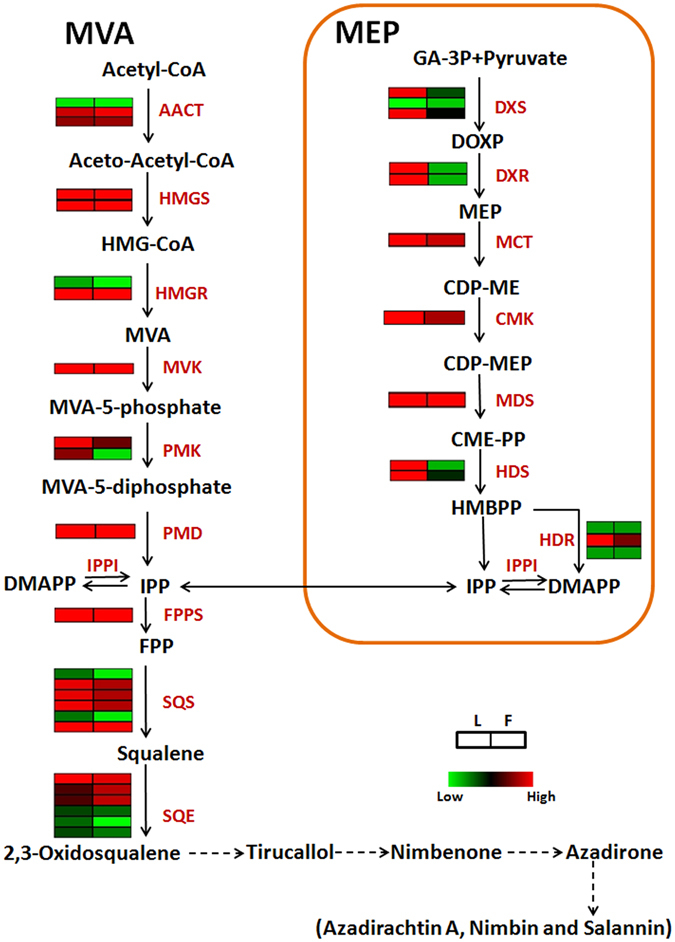
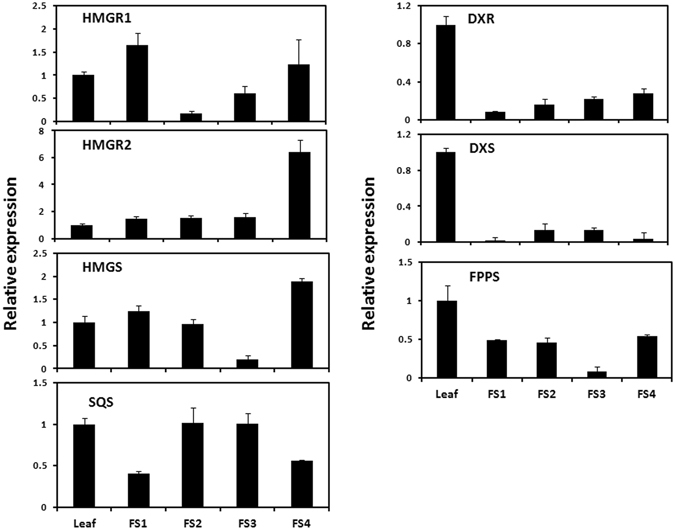
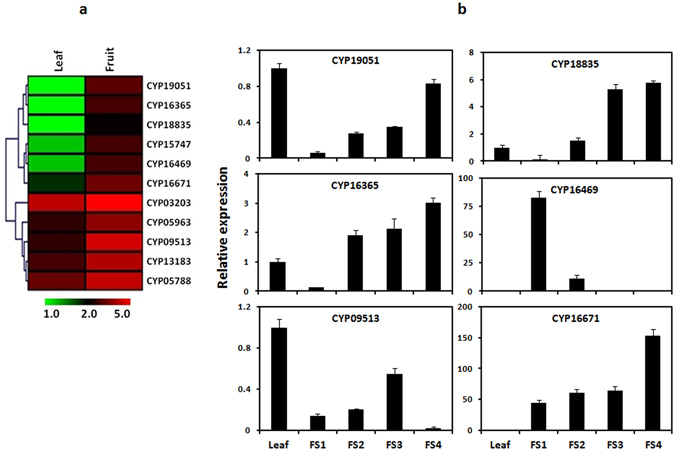
Azadirachta indica A. Juss, commonly known as Neem, is the reservoir of triterpenoids of economic importance. Metabolite analysis of different developmental stages of leaf and fruit suggests tissue-specific accumulation of the major triterpenoids in this important tree. Though biosynthesis of these complex molecules requires substrate flux from the isoprenoid pathway, enzymes involved in late biosynthetic steps remain uncharacterized. We established and analyzed transcriptome datasets from leaf and fruit and identified members of gene families involved in intermediate steps of terpenoid backbone biosynthesis and those related to secondary transformation leading to the tissue-specific triterpenoid biosynthesis. Expression analysis suggests differential expression of number of genes between leaf and fruit and probable participation in the biosynthesis of fruit-specific triterpenoids. Genome-wide analysis also identified members of gene families putatively involved in secondary modifications in late biosynthetic steps leading to the synthesis of highly oxygenated triterpenoids. Expression and molecular docking analyses suggest involvement of specific members of CYP450 family in secondary modifications for the biosynthesis of bioactive triterpenoids. This study generated rich genomic resource and identified genes involved in biosynthesis of important molecules, which will aid in the advancement of tools for functional genomics and elucidation of the biosynthesis of triterpenoid from this important tree.
印楝树(Azadirachta indica A. Juss),俗称 Neem,是具有经济重要性的三萜类化合物的储库。对叶片和果实不同发育阶段的代谢产物分析表明,这种重要树木中主要三萜类化合物在组织中特异性积累。尽管这些复杂分子的生物合成需要来自异戊烯途径的底物通量,但涉及后期生物合成步骤的酶仍未被表征。我们从叶片和果实中建立和分析了转录组数据集,并鉴定了参与萜烯骨架生物合成中间步骤以及与导致组织特异性三萜生物合成的次级转化相关的基因家族成员。表达分析表明,叶片和果实之间存在大量基因的差异表达,可能参与了果实特异性三萜类化合物的生物合成。全基因组分析还鉴定了可能参与后期生物合成步骤中次级修饰的基因家族成员,这些修饰导致高度氧化的三萜类化合物的合成。表达和分子对接分析表明,CYP450 家族的特定成员参与了生物活性三萜类化合物生物合成的次级修饰。本研究生成了丰富的基因组资源,并鉴定了参与重要分子生物合成的基因,这将有助于功能基因组学工具的发展,并阐明这种重要树木中三萜类化合物的生物合成。